
The Blueprint of Hospitality: How Professional Training Shapes the Global Guest Experience
The global hospitality sector is an intricate, fast-evolving ecosystem driven by a singular core mission: delivering unforgettable guest experiences. From boutique luxury resorts to sprawling international business hotels, the seamless execution of daily operations requires an extraordinary level of administrative precision. Hotel management is not merely about supervising a building; it represents the absolute integration of operational oversight, financial strategy, human resource development, and guest relationship management.
To thrive in this competitive landscape, establishments must maintain peak performance across multiple highly specialized departments simultaneously. Because hospitality fundamentally relies on impeccable presentation and flawless execution, the industry faces an ongoing demand for highly trained, skilled professionals. This is exactly where professional education steps in. Pursuing structural training from the Best Hotel Management College In West Bengal bridges the gap between raw enthusiasm and corporate operational excellence.
For aspiring students looking to enter this dynamic field right after school, exploring options for Hotel management after 12th or opting for comprehensive programs in Hotel Management after 10 + 2 serves as the ultimate gateway to a sustainable, globally mobile career.
Unpacking the Core Pillars of Hotel Infrastructure
Before analyzing how professional training transforms the consumer experience, it is vital to understand the multi-departmental machinery that hotel managers must guide singlehandedly. A breakdown of these core components reveals why structured education is completely indispensable:
-
Operations Management: This is the central heartbeat of the property. It involves orchestrating daily workflows, synchronizing front-desk schedules, optimizing room inventory, and ensuring that inter-departmental communication remains continuous and error-free.
-
Guest Services: The primary interface of the establishment. This encompasses the entire guest life cycle—from the initial welcome and check-in to concierge assistance, personalized requests, and final departure procedures.
-
Sales and Marketing: A hotel cannot operate without consistent occupancy. This department focuses on corporate tie-ups, digital marketing campaigns, revenue management, and seasonal pricing strategies designed to maximize yield.
-
Human Resources Management: Hospitality is a people-first industry. HR teams handle the rigorous tasks of talent acquisition, intensive service training, payroll management, and maintaining high employee morale to reduce turnover.
-
Financial Management: Beyond hospitality lies strict commerce. This includes meticulous budgeting, monitoring operational costs, tracking Key Performance Indicators (KPIs) like Average Daily Rate (ADR), and managing cash flows.
-
Facilities Management: Ensuring the safety, sustainability, and aesthetic maintenance of the physical asset. It covers everything from preventative engineering and HVAC systems to eco-friendly waste management.
-
Food and Beverage (F&B) Management: Overseeing fine-dining restaurants, banquets, room service, and bar operations while maintaining strict health, safety, and inventory standards.
How Professional Hospitality Courses Directly Elevate the Guest Experience
When students enroll in professional hospitality programs—whether choosing Hotel Management after 10 + 2 or starting a specialized degree directly—they undergo an intense behavioral and technical transformation. Here is an in-depth look at how trained professionals directly elevate the standards of global lodging properties.
1. Cultivating Executive Professionalism
A premier hospitality course instills a rigorous code of conduct, grooming, and etiquette. Trained individuals understand that they represent the brand identity of the establishment. From immaculate physical presentation to sophisticated verbal communication, this structured education translates into highly polished guest interactions. When travellers meet poised, articulate staff, it creates an immediate sense of security and trust, establishing a premium reputation for the property from the very first interaction.
2. Engineering Exceptional Customer Service
Exceptional service is rarely accidental; it is engineered through scientific training. Specialized courses teach students the psychology of hospitality, enabling them to anticipate guest needs proactively rather than reacting defensively. Staff members trained at the Best Hotel Management College In West Bengal learn how to read subtle guest cues, personalize services, and maintain empathy under pressure. This ensures that every inquiry, request, or special accommodation is handled with exceptional efficiency and courtesy.
3. Maximizing Operational Efficiency
In modern hotel operations, time is a critical variable. Training provides students with a deep understanding of operational bottlenecks and workflow optimization. From mastering advanced Property Management Systems (PMS) software to executing rapid housekeeping turnarounds, trained professionals know how to eliminate friction. This operational agility directly reduces guest wait times at check-in desks, ensures prompt room service delivery, and guarantees that maintenance issues are resolved silently in the background.
[Guest Arrival] ──> [Optimized PMS Check-In] ──> [Seamless Room Allocation]
                                                            │
[Rapid Service Delivery] <── [Real-Time Inter-Dept. Tech] <───┘
4. Upholding Strict Quality Standards
Consistency is the true hallmark of luxury. Hotel management programs place immense emphasis on standard operating procedures (SOPs), quality control metrics, and regulatory hygiene frameworks. Whether it is ensuring the sterile cleanliness of a guest room, the exact temperature calibration of a culinary dish, or the uniform layout of a conference banquet, educated professionals adhere strictly to established benchmarks. This meticulous attention to detail ensures a reliable, world-class environment for returning patrons.
5. Advanced Conflict Resolution and Crisis Management
Challenging situations—ranging from overbooking errors and service complaints to medical emergencies—are inevitable in a 24/7 operating environment. Hospitality courses dedicate entire modules to conflict psychology and problem-solving methodologies. Staff trained in these disciplines do not panic; they actively listen, validate guest concerns, offer immediate compensations, and implement structural fixes. This professional approach frequently turns frustrated guests into loyal brand advocates.
6. Driving Industry Innovation and Technological Adaptation
The modern traveler demands smart rooms, contactless experiences, and eco-friendly practices. Professional courses expose students to cutting-edge global industry trends, sustainable architecture, and automated hospitality tech. This specialized knowledge allows young professionals to introduce innovative amenities, custom loyalty programs, and creative culinary concepts, keeping the property modern, relevant, and highly competitive.
7. Fostering Cohesive Teamwork
A hotel cannot function in silos. The front office must coordinate perfectly with housekeeping, just as the kitchen must align seamlessly with the restaurant service staff. Intensive group assignments, practical kitchen simulations, and event management workshops built into hospitality programs teach students the value of inter-departmental synergy. When a workforce operates as a single, cohesive unit, it creates an effortlessly smooth environment for the guest.
8. Nurturing Strategic Leadership
As professionals climb the corporate ladder, operational execution transitions into strategic leadership. Advanced hotel management curricula focus heavily on emotional intelligence, team motivation, resource allocation, and strategic decision-making. Managers equipped with these leadership traits foster positive, low-stress working environments, which directly translates into a happier, more attentive frontline staff.
Navigating Academic Pathways: Choosing Your Path
                      ┌──> Diploma Programs (Fast-Track Technical Skills)
                      │
School Graduation ────┼──> Bachelor Degrees (Comprehensive Management & Strategy)
                      │
                      └──> Learn & Earn Models (Simultaneous Practical Exposure)
The decision to enter the hospitality sector can be made at various academic milestones. For students identifying their career passions early, entering Hotel Management after 10 + 2 provides a distinct competitive advantage, enabling them to master core technical competencies while their peers are still pursuing generalized streams. Similarly, commencing a structured program in Hotel management after 12th allows individuals to choose between focused diploma tracks or comprehensive bachelor degrees based on their long-term career goals.
| Academic Track | Target Duration | Core Focus Areas | Primary Career Outcome |
| Diploma Programs | 1 to 2 Years | Technical skills, departmental operations, hands-on culinary/service training. | Fast-track entry into executive frontline roles. |
| Bachelor Degrees | 3 to 4 Years | Advanced strategic management, finance, HR, marketing, brand strategy. | Direct pathway to corporate management trainee tracks. |
Spotlighting the School of Hospitality and Management: A Premier Hub
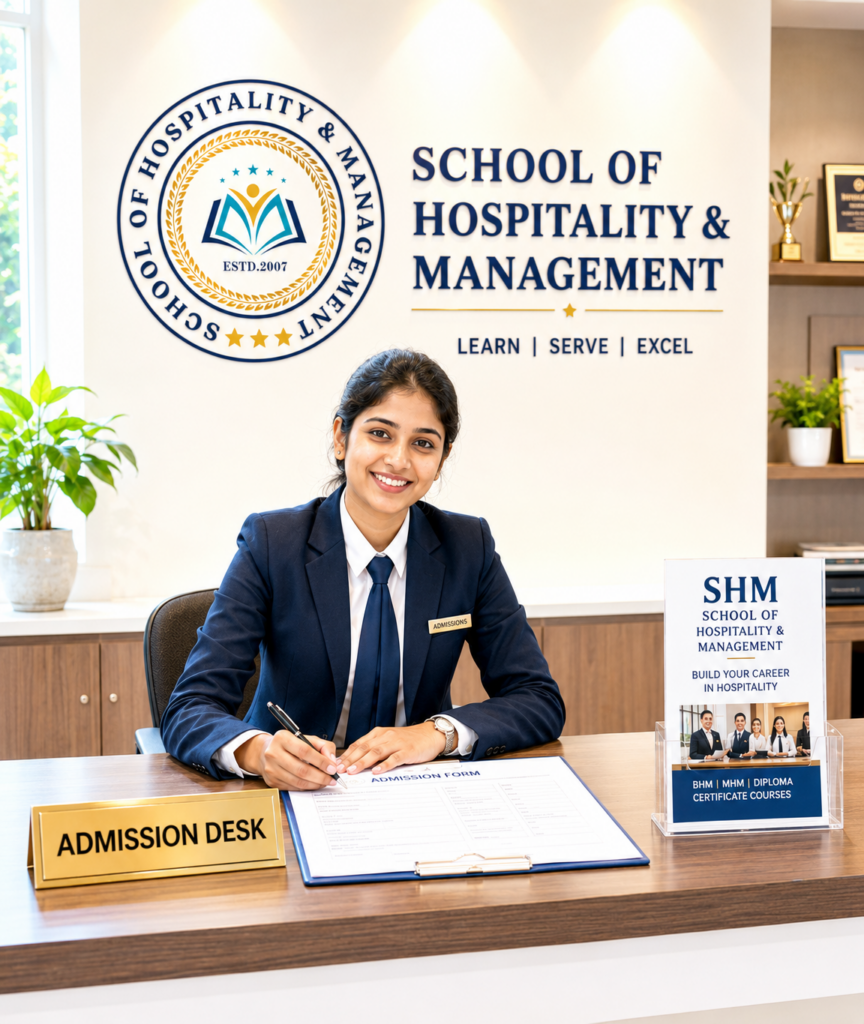
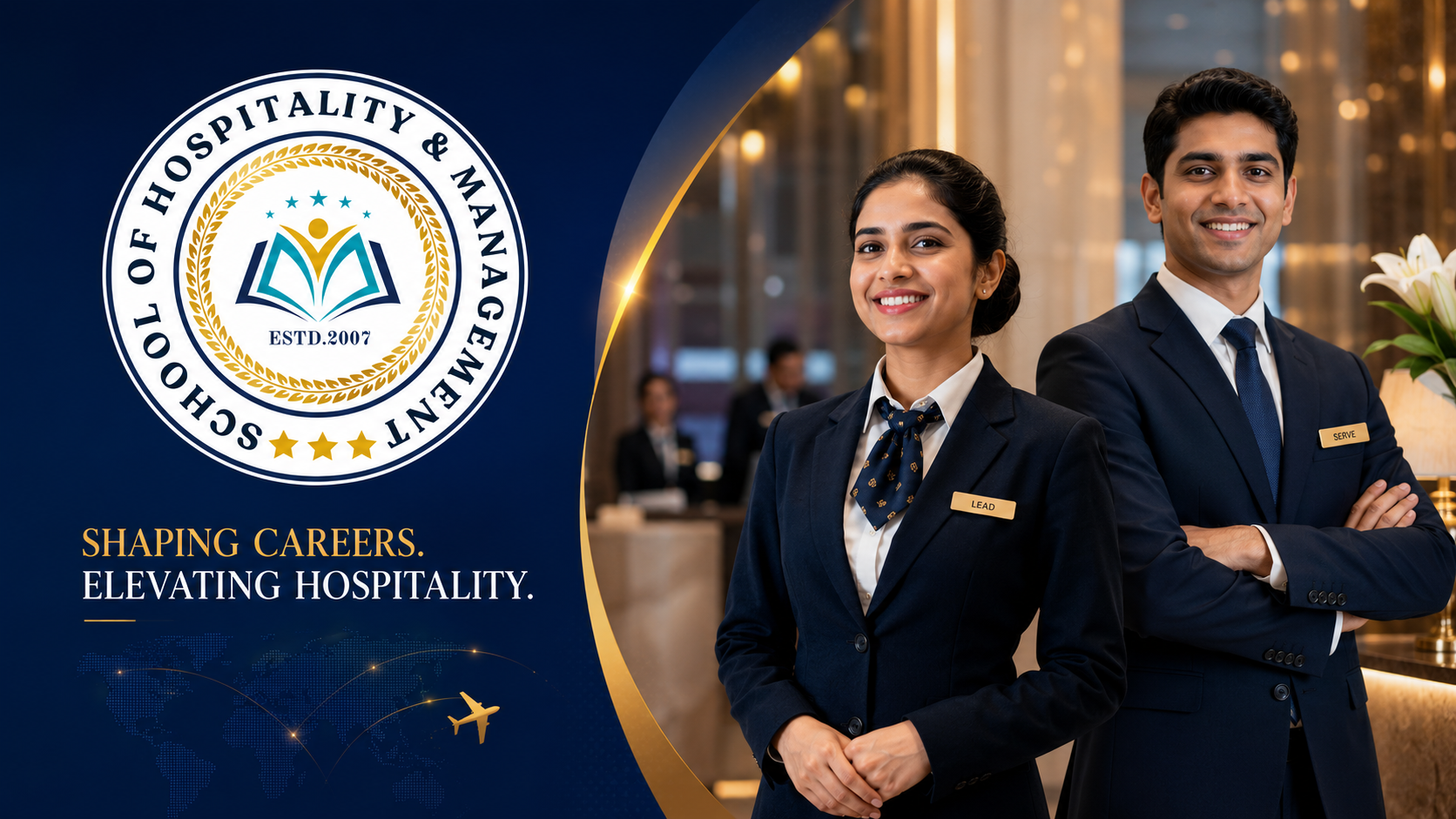
When evaluating the educational landscape to find an institution that balances academic rigor with economic viability, the School Of Hospitality and Management emerges as a standout choice. Recognized widely as an ideal destination and the Best Hotel Management College In West Bengal, it offers carefully structured Diploma and Bachelor degrees designed explicitly around modern industry requirements.
What truly sets this institution apart is its commitment to accessibility and real-world integration. Recognizing that practical exposure is the single most valuable currency in hospitality, the college provides its courses at a highly reasonable fee structure. Furthermore, it pioneers an innovative “Learn and Earn” model. This unique educational structure allows students to gain critical hands-on experience in live commercial environments while simultaneously earning financial stipends. This completely eliminates the gap between theoretical classroom concepts and real-world operational challenges, making its graduates incredibly attractive to top-tier international recruiters.
Why a Career in Hospitality Management Offers Unmatched Global Potential
Choosing to pursue Hotel management after 12th unlocks a vast spectrum of career rewards that extend far beyond conventional office jobs:
-
Diverse Vocational Trajectories: A hospitality degree is incredibly versatile. Graduates are not confined strictly to traditional hotels; they are highly sought after by luxury cruise lines, international airlines, premium event management firms, corporate healthcare facilities, and high-end retail brands.
-
True Global Mobility: The operational principles of hospitality are universal. A professional certified by the Best Hotel Management College In West Bengal possesses skills that are fully transferable across international borders, offering boundless opportunities to live, work, and travel globally.
-
Demonstrated Economic Stability: While economic cycles fluctuate, the fundamental human need for travel, dining, lodging, and experiential recreation remains constant. This persistent demand provides qualified hospitality managers with a powerful layer of long-term job security and career resilience.
Investing in structured training through specialized programs in Hotel Management after 10 + 2 is a definitive step toward career excellence. By mastering the fine balance of operational efficiency, financial strategy, and genuine human empathy, trained hospitality professionals do more than just manage properties—they craft the unforgettable memories that define the global travel experience.