 INDUSTRY
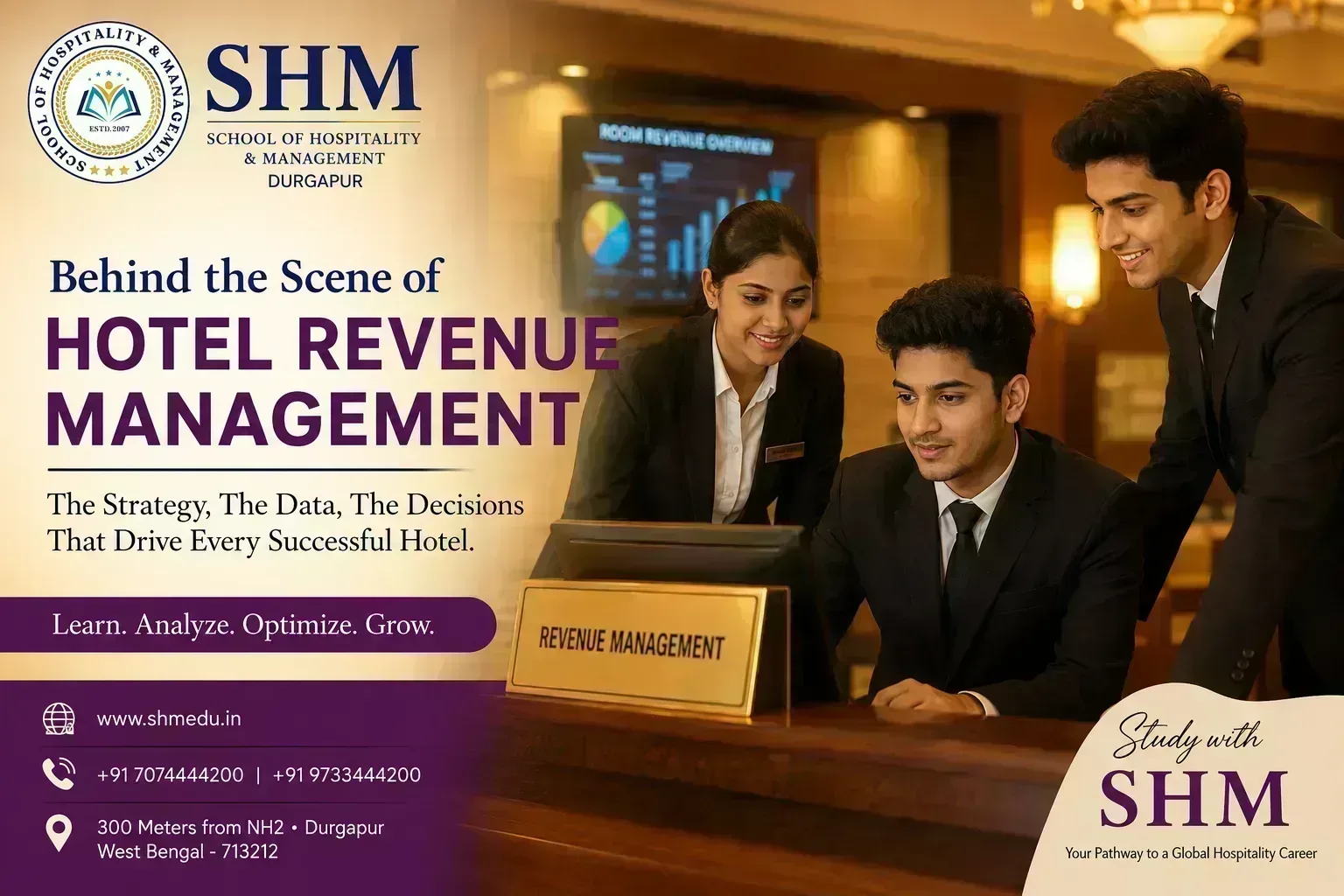
Behind the Scene of Hotel Revenue Management
29 July 2026
Hotel revenue management is the strategy behind how hotels manage room prices, demand, bookings, and profitability. Discover what happens behind the scenes and how practical hotel management education at SHM Durgapur can prepare students for the hospitality industry.
When guests book a hotel room, they usually see a simple price on a website, choose their dates, and make a reservation. But behind that simple booking is a complex process of planning, analysis, forecasting, pricing, and decision-making.
This hidden process is known as hotel revenue management.
Revenue management plays a major role in helping hotels sell the right room, to the right guest, at the right time, through the right channel, and at the right price. It combines hospitality knowledge with business strategy, technology, customer behaviour, and market analysis.
For students planning a career in the hospitality industry, understanding revenue management can open doors to exciting career opportunities. This is one reason why practical exposure to hotel operations is becoming increasingly important in modern hospitality education.
For students searching for a hotel management institute in West Bengal, choosing an institute that provides industry-oriented learning can make a significant difference. At the School of Hospitality & Management (SHM), Durgapur, students are introduced to practical hospitality operations, professional skills, industry exposure, and career-focused learning.
What Is Hotel Revenue Management?
Hotel revenue management is the practice of maximising a hotel's revenue by making intelligent decisions about room pricing, availability, inventory, and demand.
Hotel rooms are a unique product because an unsold room tonight cannot be stored and sold tomorrow. If a hotel has 100 rooms and sells only 70 tonight, the remaining 30 rooms represent revenue that cannot be recovered once the night has passed.
Revenue managers therefore constantly analyse demand and market conditions.
They consider questions such as:
• How many rooms are likely to be booked tonight?
• Will demand increase during the weekend?
• Is there a major event happening nearby?
• Should room prices increase during peak season?
• Which booking channel is bringing profitable customers?
• How many rooms should remain available for last-minute bookings?
• What price will encourage bookings during a low-demand period?
The answers to these questions influence the hotel's pricing and sales strategy.
Why Is Revenue Management Important in Hotels?
Revenue management is not simply about increasing room prices. It is about making informed decisions that help a hotel improve its overall financial performance.
Imagine a hotel in Durgapur that has low demand on weekdays but high demand during a major event. Keeping the same room price throughout the week may not be the most effective strategy.
Instead, the hotel may offer competitive weekday rates to attract guests and adjust prices when demand rises.
This approach helps hotels balance occupancy and room rates.
Revenue management can help hotels:
• Improve room occupancy
• Increase revenue per available room
• Understand guest booking behaviour
• Manage room inventory efficiently
• Respond to market competition
• Create smarter pricing strategies
• Reduce revenue loss from unsold rooms
• Improve overall business performance
This is why revenue management has become an important part of modern hotel operations.
What Happens Behind the Scenes?
The guest may only see a room price, but revenue management involves several activities behind the scenes.
1. Demand Forecasting
One of the most important responsibilities of revenue management is predicting future demand.
Hotels analyse previous booking patterns, seasonal trends, holidays, local events, corporate travel, tourism patterns, and current reservations.
For example, if a hotel normally receives more bookings during weekends, the revenue team can prepare its pricing strategy accordingly.
Forecasting is not about guessing. It is about using available information to make better business decisions.
2. Dynamic Pricing
Hotel room rates are not always fixed.
Prices can change depending on demand, season, availability, competition, events, and booking patterns.
During a high-demand period, room prices may increase because customers are willing to pay more for limited availability.
During periods of low demand, hotels may use attractive pricing, packages, or promotional offers to encourage bookings.
This strategy is known as dynamic pricing.
3. Competitor Analysis
Hotels do not operate in isolation.
Revenue teams regularly monitor competing hotels, their room rates, packages, facilities, offers, and market positioning.
Suppose several hotels in the same location are offering similar rooms. A hotel must understand what makes its offer attractive.
The goal is not always to become the cheapest hotel. Instead, revenue managers try to find the right balance between price, demand, guest expectations, and perceived value.
4. Managing Online Booking Channels
Today, guests use websites, hotel apps, online travel agencies, and other digital platforms to compare hotels and make reservations.
Revenue management therefore involves monitoring different distribution channels.
Hotels need to understand:
• Where bookings are coming from
• Which channels generate higher revenue
• How much commission different channels charge
• Which room types are most popular
• How guests respond to different offers
Managing these channels effectively can have a major impact on hotel profitability.
The Role of Technology in Revenue Management
Modern hotel revenue management is closely connected with technology.
Hotel professionals use Property Management Systems, booking platforms, analytics tools, spreadsheets, forecasting systems, and other digital solutions to understand business performance.
Technology helps teams process large amounts of information quickly.
However, technology alone cannot make every decision.
A skilled hospitality professional must understand guests, hotel operations, market conditions, service quality, and business objectives.
This is why hospitality education should not be limited to textbooks.
Students need opportunities to understand how hotel departments work together.
Revenue Management and Front Office Operations
Revenue management is closely connected with the front office.
The front office handles reservations, room availability, check-in, check-out, guest communication, room allocation, and many other activities.
Revenue decisions can directly affect front office operations.
For example, if room prices change according to demand, front office employees need to understand the available rates and booking conditions.
They also need to communicate professionally with guests when explaining room categories, packages, upgrades, and booking policies.
This is why students interested in revenue management should develop strong communication and front office skills.
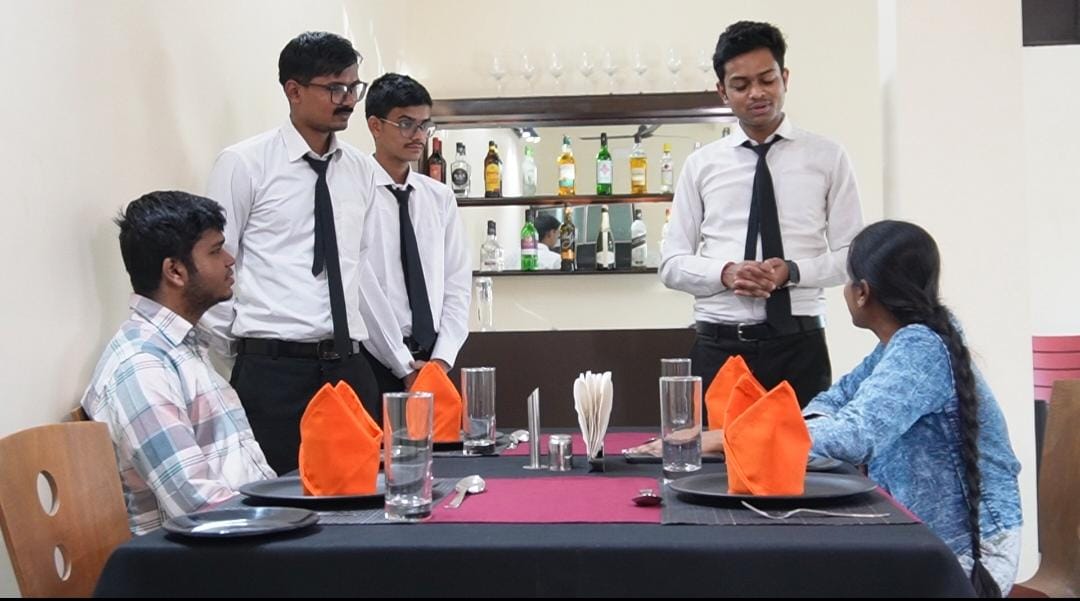
At SHM, practical hospitality learning includes front office training covering areas such as reception, reservations, check-in, check-out, and guest relations.
Skills Required for a Career in Revenue Management
Revenue management is suitable for students who enjoy combining hospitality with numbers, analysis, technology, and decision-making.
Some important skills include:
Analytical Thinking
Revenue professionals need to understand data and identify patterns.
Communication
They may communicate with front office teams, sales departments, general managers, travel partners, and other stakeholders.
Business Awareness
Understanding profitability, occupancy, room rates, and market conditions is essential.
Technology Skills
Knowledge of spreadsheets, hotel systems, online booking platforms, and digital tools can be highly useful.
Problem-Solving
Demand can change quickly. Revenue professionals need to respond to unexpected situations.
Attention to Detail
Small mistakes in pricing, availability, or inventory can affect hotel revenue.
Customer Understanding
Knowing what guests value can help hotels create better offers and pricing strategies.
These skills are valuable across many hospitality careers, not only revenue management.
Why Practical Hotel Management Education Matters
Revenue management is easier to understand when students can connect theory with actual hotel operations.
A classroom can explain occupancy, room rates, forecasting, and inventory management. But practical training helps students understand how these concepts connect to real guests and real hotel departments.
This is where industry-integrated education becomes valuable.
The School of Hospitality & Management (SHM), Durgapur focuses on combining academic learning with practical hospitality training, internships, workplace exposure, professional development, and career support.
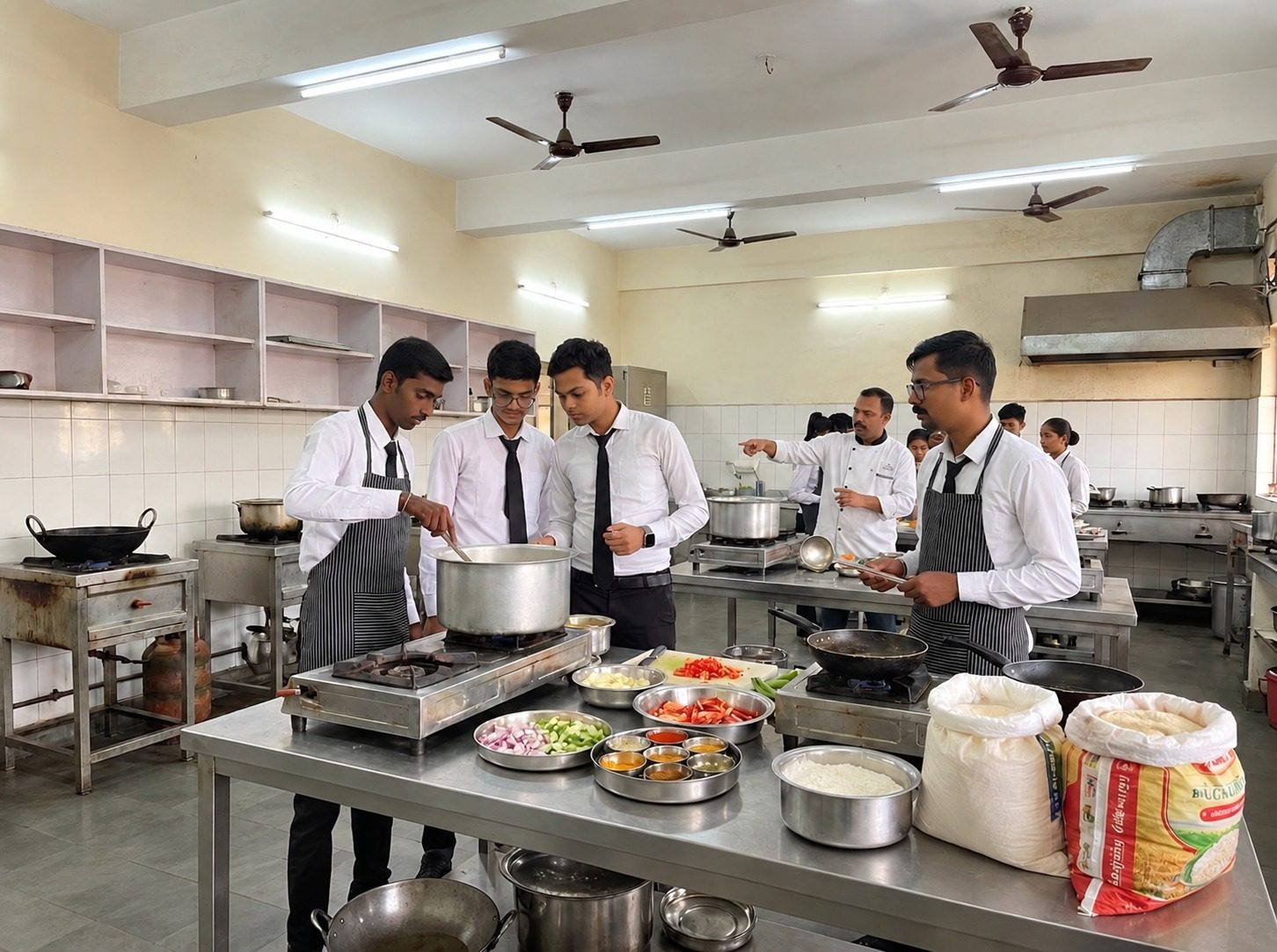
Students can develop knowledge across important areas such as front office, food and beverage, food production, housekeeping, guest service, communication, and professional behaviour.
For students looking for a hotel management institute in West Bengal, this combination of education and experience can be an important factor when comparing institutions.
Study With SHM: Learn Beyond the Classroom
Study with SHM means looking beyond conventional classroom-based hospitality education.
SHM's industry-oriented approach focuses on practical learning, workplace exposure, professional development, and employability.
Its job-embedded learning model is designed to help students understand hotel operations while developing professional skills. The institution also offers internship and work-integrated learning opportunities.
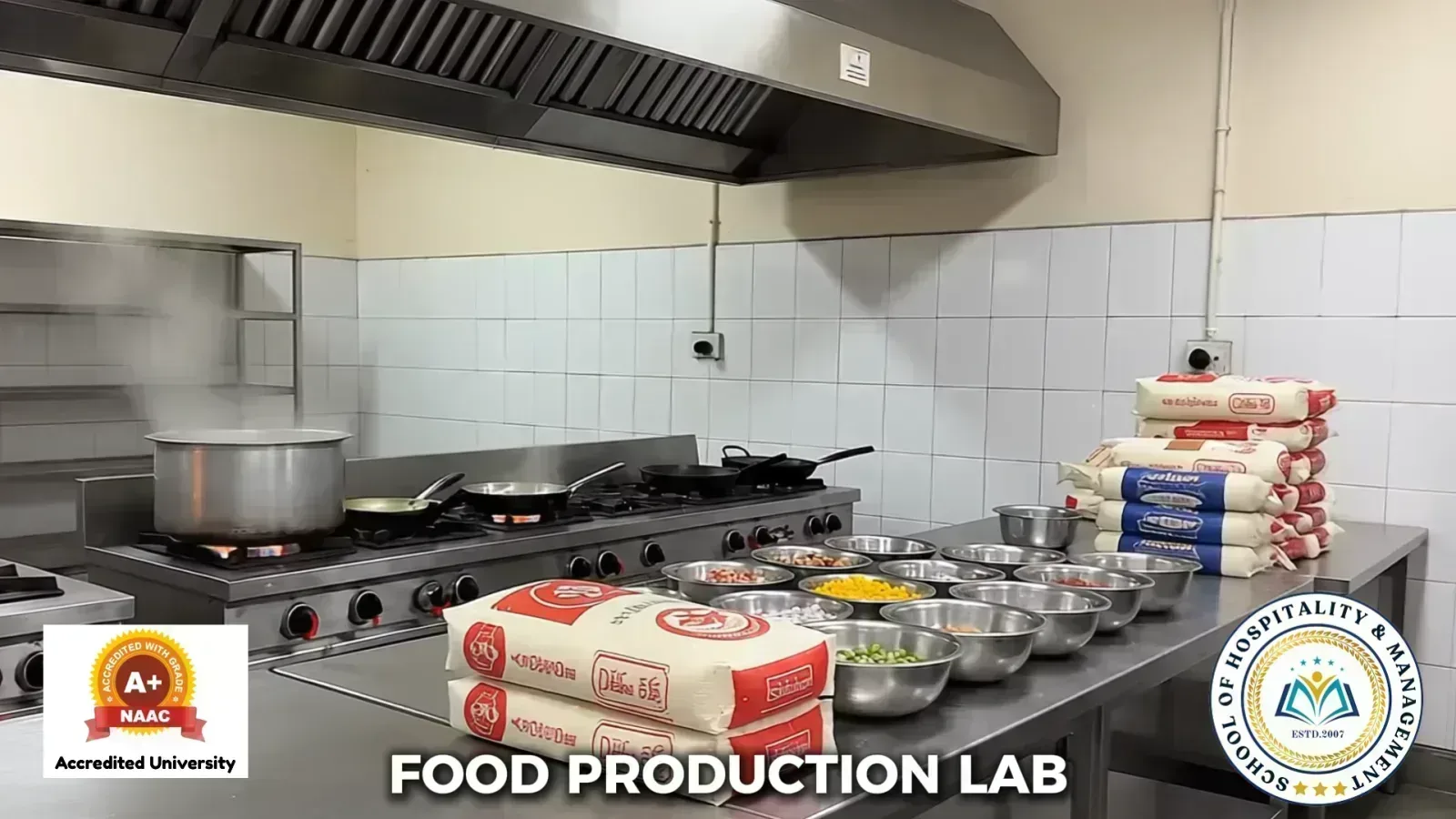
Students can learn through practical environments such as front office and food production training facilities while developing communication, grooming, teamwork, customer service, and operational skills.
The objective is simple: help students become more confident and workplace-ready.
For hospitality students, this kind of exposure can be especially valuable because hotels require professionals who can perform, communicate, solve problems, and work effectively under pressure.
Affordable and Career-Focused Learning
The cost of higher education is an important consideration for many students and parents.
SHM focuses on making hospitality education accessible through its published fee structure and institutional fee-support opportunities. The college currently lists Degree, Diploma, PG, and skilled-course options, along with an eligible Corporate Scholarship scheme for the 2026–27 admission cycle.
This is one reason students may consider SHM Affordable when comparing career-focused hospitality education options.
Affordability, however, should not mean compromising on practical exposure.
Students should look for a balance between fees, academic quality, industry exposure, facilities, professional training, and career support.
placement-focused: Building Employability Before Graduation
A hospitality college should not only prepare students for examinations. It should help them develop skills that employers value.
SHM's career-focused model includes practical hospitality training, career counselling, resume development, interview preparation, recruitment drives, employer networking, and professional mentorship.
Students can explore career pathways across hotels, cruise hospitality, aviation hospitality, tourism, events, and international hospitality.
SHM also highlights hospitality employers and brands across its career ecosystem, showing students the broad range of opportunities available within the industry.
This career-focused approach is why students searching for the placement-focused can consider practical exposure and professional preparation alongside traditional academic qualifications.
It is important to remember that placement support is different from a guaranteed job. A student's performance, skills, communication, attitude, and interview performance all influence career outcomes.
SHM: A Private College in Durgapur for Hospitality Aspirants
Durgapur has become an important education destination in West Bengal, and students from different parts of the region look for professional courses that can lead to meaningful careers.
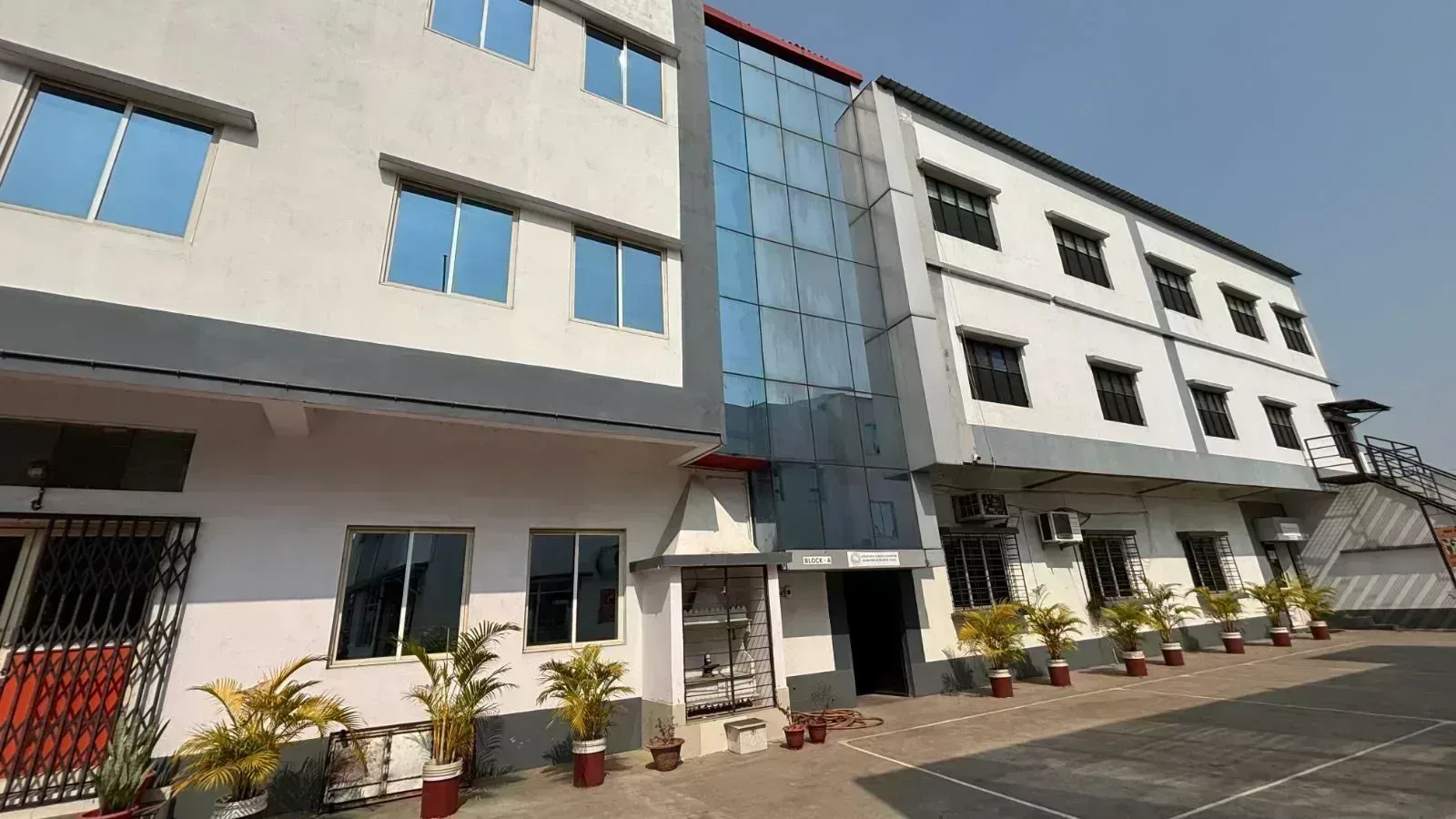
For students interested in hospitality, the School of Hospitality & Management offers an industry-focused learning environment in Durgapur.
Students searching online for a private college in Durgapur may consider factors such as practical training, course structure, industry exposure, affordability, facilities, faculty support, and career development before making a decision.
SHM's approach is built around the idea that hospitality education should connect education, experience, employability, and career growth.
The Future of Hotel Revenue Management
Hotel revenue management will continue to evolve as technology, customer behaviour, online booking platforms, artificial intelligence, data analytics, and digital marketing transform hospitality.
Future revenue professionals may work with increasingly sophisticated data and technology.
However, the fundamental principle will remain the same: understand demand, understand guests, make informed decisions, and help the hotel maximise its opportunities.
This makes revenue management an exciting field for students who want a career that combines hospitality, business, technology, and analytical thinking.
Final Thoughts
The next time you book a hotel room, remember that the price you see is rarely random.
Behind that number are forecasts, market research, competitor analysis, room availability, customer behaviour, booking channels, technology, and strategic decisions.
That is the hidden world of hotel revenue management.
For aspiring hospitality professionals, understanding this behind-the-scenes function can create a broader understanding of how hotels actually operate as businesses.
Choosing the right education can be the first step.
If you are searching for a hotel management institute in West Bengal, want Affordable, are looking for placement-focused, or want to Study with SHM in Durgapur, explore the industry-integrated approach of the School of Hospitality & Management.
For students considering a private college in Durgapur, the right choice should ultimately be based on practical learning, industry exposure, professional development, affordability, and career preparation.
Study with SHM. Learn the business behind hospitality. Build skills for the industry. Prepare for your future.