 IT CAREER
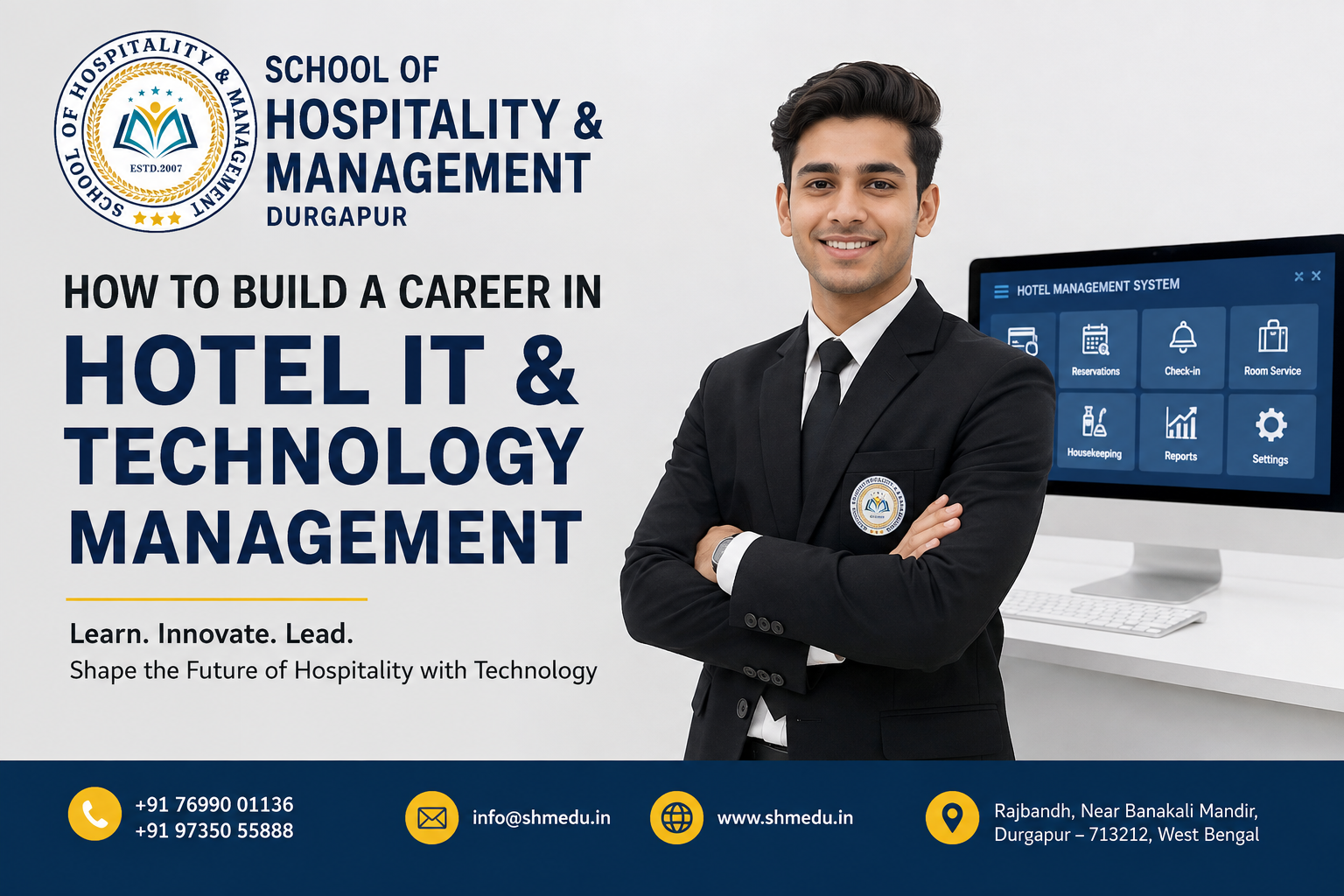
How to Build a Career in Hotel IT and Technology Management
8 August 2026
Discover how hotel technology is transforming hospitality and learn the skills, career opportunities and education needed to build a successful career in Hotel IT and Technology Management.
The hotel industry is no longer powered only by excellent service, beautiful rooms, and delicious food. Behind every smooth check-in, online booking, digital payment, personalised guest experience, and successful hotel operation, there is a growing technology ecosystem.
This transformation has created an exciting career opportunity for students who are interested in both hospitality and technology.
A career in Hotel IT and Technology Management combines hotel operations with digital systems, data management, cybersecurity, automation, artificial intelligence, cloud technology, and guest-service platforms. As hotels become more digitally connected, professionals who understand both hospitality and technology can build valuable careers across hotels, resorts, cruise lines, restaurants, travel companies, and international hospitality brands.
For students searching for the Best hotel management college in West Bengal, it is therefore important to choose an institute that does more than teach traditional hotel operations. Modern hospitality education should prepare students for a technology-driven industry.
This is where practical, industry-oriented education can make a difference.
What Is Hotel IT and Technology Management?
Hotel IT and Technology Management refers to the use and management of technology across different areas of a hotel.
Think about what happens when a guest books a room online.
The booking may pass through a website or mobile application, enter a reservation system, update the hotel's availability, connect with the front office, trigger payment processing, and eventually become part of the guest's profile.
Several technologies work together behind the scenes.
Hotel IT professionals and technology-focused hospitality managers may work with:
• Property Management Systems (PMS)
• Point-of-Sale (POS) systems
• Online booking platforms
• Customer Relationship Management (CRM) software
• Revenue management systems
• Cloud-based hotel platforms
• Digital payment systems
• Hotel websites and mobile applications
• Cybersecurity systems
• Artificial intelligence tools
• Data analytics
• Smart-room technology
• Internet of Things (IoT)
• Automated guest-service systems
Therefore, Hotel IT is not simply about fixing computers. It is about understanding how technology can make hotel operations faster, safer, more efficient, and more guest-friendly.
Why Is Technology Becoming Important in Hotels?
Guests today expect convenience.
They want quick bookings, digital payments, mobile communication, personalised recommendations, fast check-ins, reliable Wi-Fi, and responsive service.
Hotels are responding by investing heavily in technology.
A modern hotel may use technology to manage everything from room reservations to housekeeping schedules. Data can help managers understand occupancy patterns, guest preferences, revenue performance, and operational efficiency.
Artificial intelligence can assist with customer service and data analysis. Cloud platforms can connect departments. Smart devices can improve room management. Digital marketing platforms can help hotels attract travellers from different parts of the world.
This means the hospitality professional of the future needs more than traditional service skills.
They need technology awareness, business understanding, communication skills, and hospitality expertise.
Career Opportunities in Hotel IT and Technology Management
One of the biggest advantages of combining hotel management with technology is the variety of career opportunities.
1. Hotel IT Executive
An IT executive supports the technology infrastructure of a hotel.
Responsibilities may include managing systems, troubleshooting technical problems, supporting hotel departments, maintaining networks, and coordinating with technology vendors.
This role is particularly important in large hotels where multiple departments depend on digital systems.
2. Property Management System Specialist
Property Management Systems are central to modern hotel operations.
They can support reservations, room allocation, check-in, check-out, billing, guest information, and reporting.
A professional who understands both hotel operations and PMS platforms can become valuable to hotel companies.
3. Revenue Management Professional
Revenue management combines hospitality knowledge with data.
Hotels need to decide how much to charge for rooms depending on demand, season, occupancy, competition, events, and market conditions.
Technology and analytics help revenue managers make these decisions.
Students who enjoy numbers, business strategy, and hospitality may find this area particularly interesting.
4. Hotel Data Analyst
Hotels generate enormous amounts of information.
Guest bookings, occupancy, average room rates, customer feedback, restaurant sales, marketing performance, and operational data can all be analysed.
A hotel data analyst uses this information to help management make better decisions.
5. Digital Hospitality Manager
Digital hospitality professionals may work with hotel websites, online booking channels, guest communication platforms, digital marketing, social media, and online reputation management.
This role sits at the intersection of hospitality, marketing, technology, and customer experience.
6. Hotel Cybersecurity Professional
As hotels collect payment information and personal guest data, cybersecurity becomes increasingly important.
Professionals with knowledge of information security can help hotels protect systems and customer information from cyber threats.
7. Smart Hotel Technology Specialist
Smart hotels use connected devices and automated systems to improve guest experience and operational efficiency.
Smart rooms, digital access systems, automated lighting, connected devices, and energy-management systems are examples of technologies changing hotel operations.
This creates another emerging career pathway for technology-oriented hospitality professionals.
Skills You Need for a Career in Hotel Technology
Technology knowledge alone is not enough.
Hospitality is fundamentally a people-oriented industry, so successful professionals need a combination of technical and interpersonal skills.
Technical Skills
Students should gradually develop knowledge of:
• Hotel management software
• PMS and POS systems
• Microsoft Office and productivity tools
• Data analysis
• Digital payment systems
• Cloud technology
• Basic networking
• Cybersecurity awareness
• Digital marketing
• CRM systems
• Artificial intelligence
• Automation
• Data privacy
You do not necessarily need to become a software engineer.
Instead, the goal is to understand how technology is used to solve real hospitality problems.
Communication Skills
Technology professionals in hotels work with front office teams, food and beverage departments, housekeeping, management, vendors, and guests.
Good communication is therefore essential.
You should learn how to explain technical issues in simple language and work effectively with people from different departments.
Problem-Solving
Hotel operations move quickly.
If a reservation system stops working or a payment system experiences a problem, employees need to respond quickly.
Strong problem-solving skills can therefore become a major career advantage.
Customer-Service Mindset
Even technology-focused hotel professionals should understand the guest journey.
Technology exists to support the hotel experience.
The best professionals understand both what the technology does and why it matters to the guest.
Why Practical Hotel Management Education Matters
One of the biggest mistakes students can make is choosing a course based only on theoretical education.
Technology changes quickly.
Students need opportunities to understand how hospitality systems operate in real environments.
Industry exposure can help students understand the connection between classroom concepts and professional responsibilities.
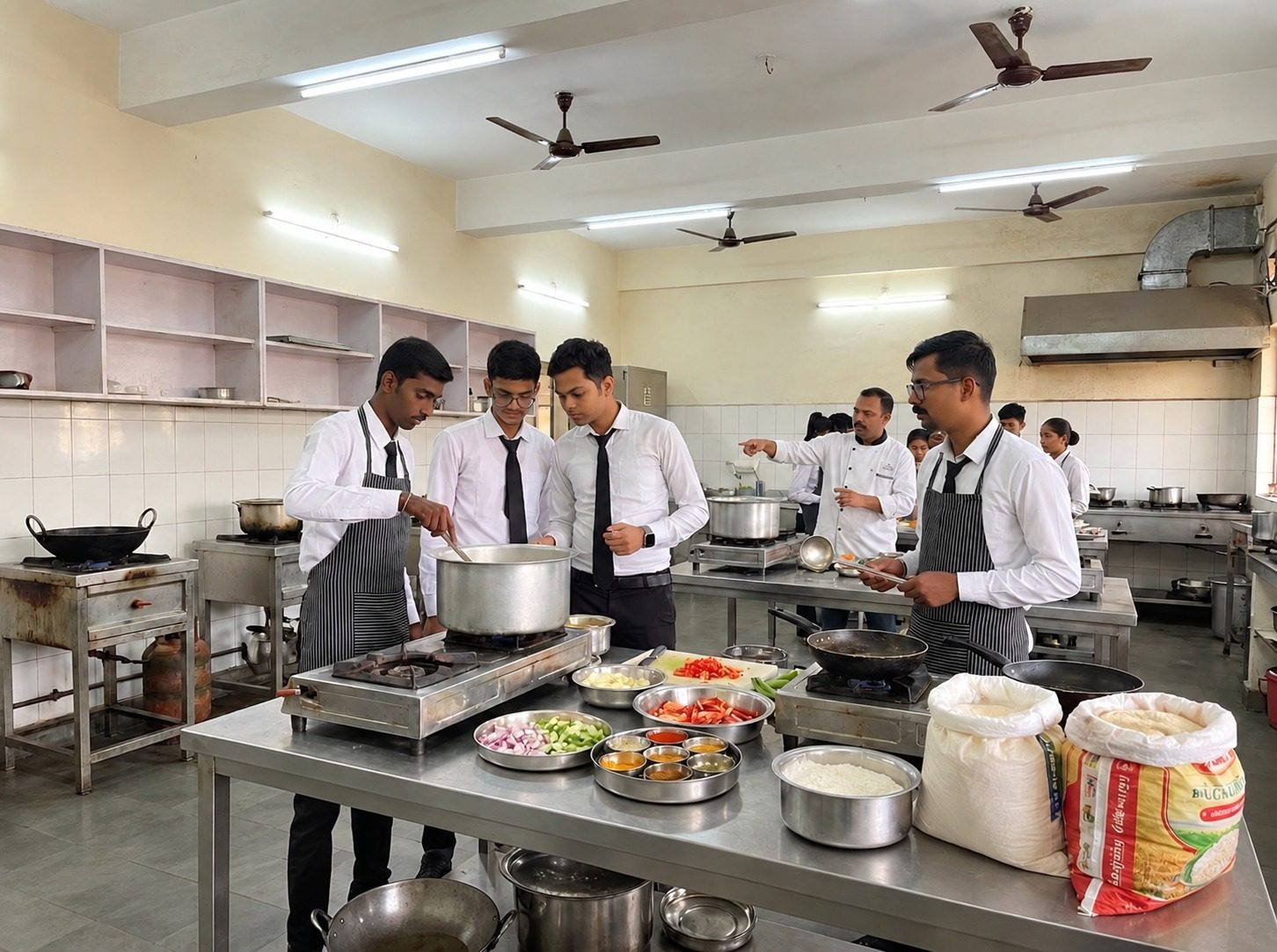
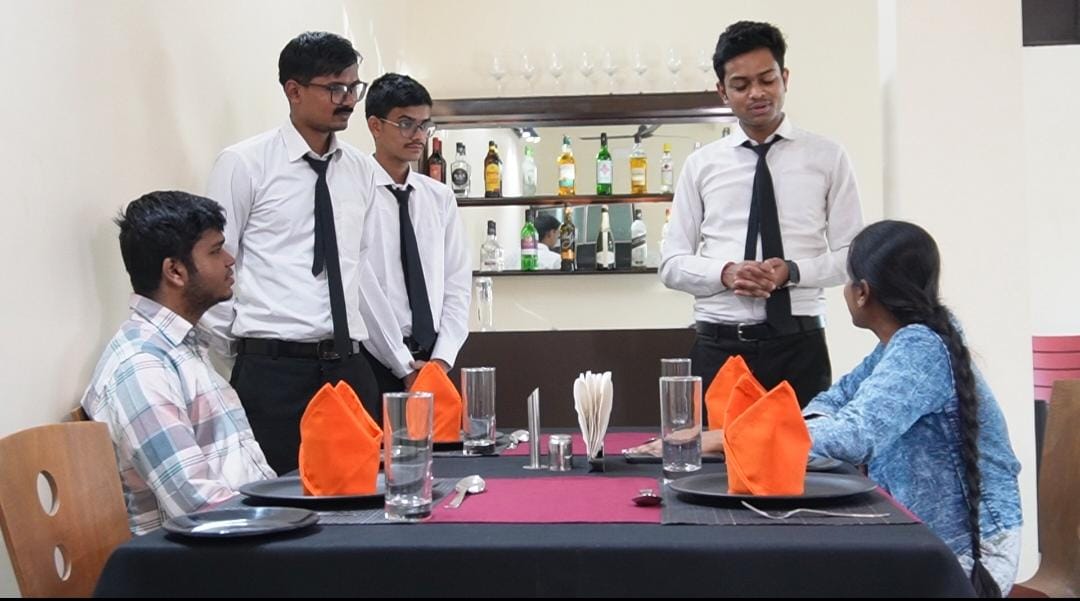
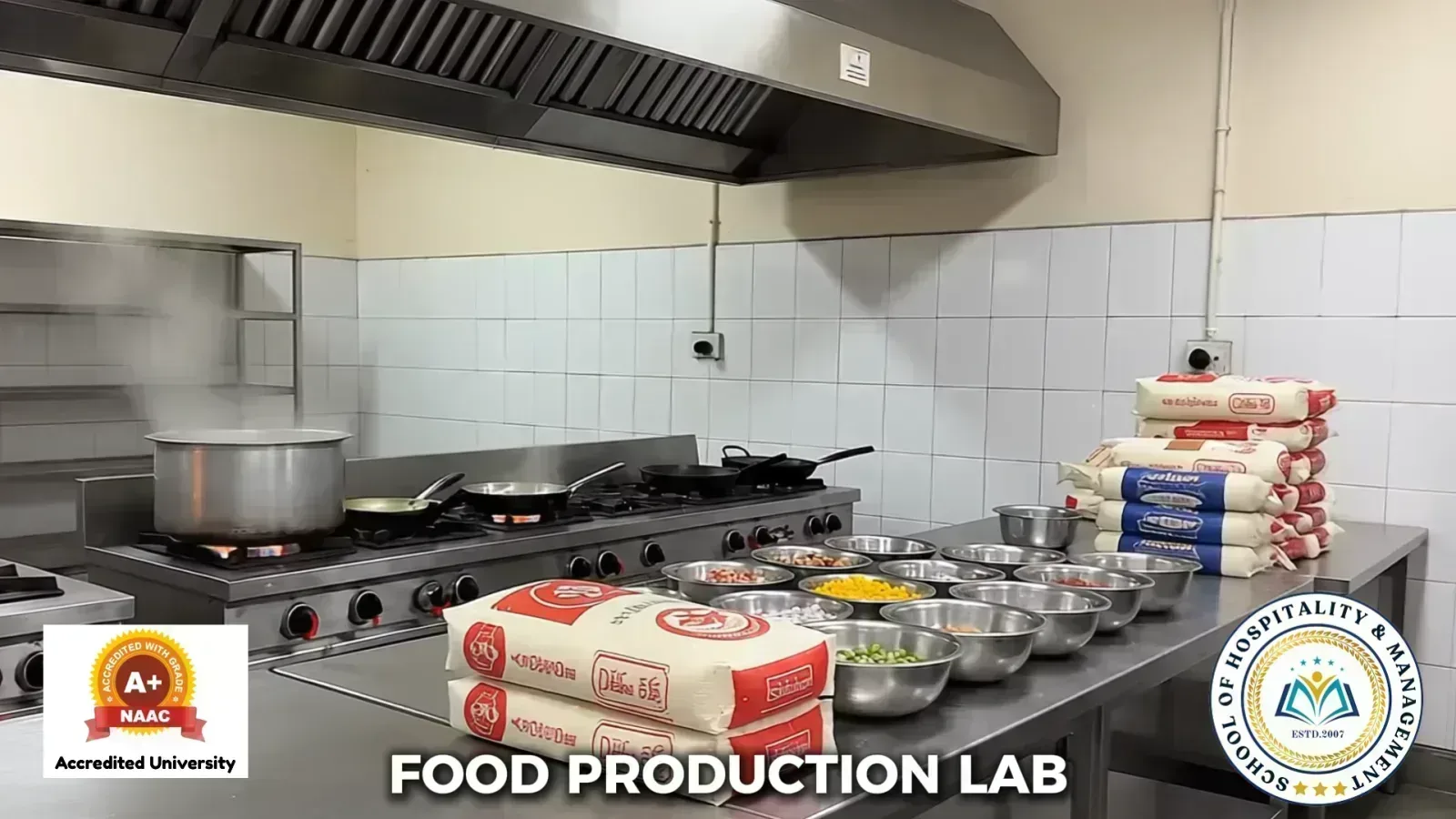
At the School of Hospitality & Management (SHM), Durgapur, the educational model focuses on combining academic learning with practical hospitality training, industry exposure, workplace learning, professional development, and career preparation. SHM also highlights areas such as front office, food and beverage, food production, housekeeping, internships, corporate residency, and job-embedded learning.
For students looking for the Best private college in Durgapur, this industry-oriented approach can be an important factor to consider.
Study With SHM and Prepare for the Modern Hospitality Industry
If your goal is to build a career in modern hospitality, choosing the right college can influence your professional foundation.
Study with SHM to develop hospitality knowledge alongside practical skills, communication, professional discipline, and industry exposure.
SHM offers hospitality-focused degree and diploma programs designed around practical learning and industry integration. Its current program structure includes a Bachelor Degree in Hospitality Management along with diploma and postgraduate pathways.
The institution also promotes an Internship Embedded Learning Model, Corporate Residency, Earn While Learn opportunities, professional mentorship, and career-focused training.
This approach can be particularly useful for students who want to understand how hotels actually operate rather than learning only from textbooks.
Why Placement Support Matters
Getting a hospitality qualification is only the beginning.
Students also need to understand how to enter the professional world.
A good hospitality institution should help students develop resumes, prepare for interviews, understand workplace expectations, and connect with industry opportunities.
SHM's training and placement support includes career counselling, resume development, interview preparation, recruitment drives, employer networking, and professional mentorship.
The college also highlights hospitality career pathways across hotels, cruise hospitality, aviation hospitality, tourism, event management, international hospitality, and entrepreneurship.
This broader exposure can help students understand that hotel management does not mean working in only one department.
It can become the foundation for a global hospitality career.
Is Hotel Management Affordable?
Cost is an important consideration for students and parents.
An expensive course is not necessarily the best course. Students should look at the complete value of education, including practical training, industry exposure, career support, facilities, and learning opportunities.
SHM currently lists its Bachelor Degree in Hospitality Management at ₹2,00,000 total and its Diploma program at ₹80,000 total, alongside scholarship and Earn While Learn opportunities. The college currently advertises a Corporate Scholarship of up to 60% on the tuition-fee component for the 2026–27 admission cycle, subject to eligibility and institutional approval.
For students searching for a college that is Best for affordability, comparing the total cost with the practical and professional opportunities provided is essential.
Students should always verify the exact fees, scholarship eligibility, and applicable terms directly with the institution before admission.
How to Start Your Career in Hotel IT and Technology
You do not need to wait until graduation to start developing technology-related hospitality skills.
Follow these steps:
Step 1: Choose the Right Hospitality Program
Start with a recognised and industry-oriented hospitality program.
Build a strong foundation in hotel operations, guest service, food and beverage, front office, housekeeping, and management.
Step 2: Learn Hospitality Technology
Become familiar with PMS, POS, CRM, booking engines, digital payments, revenue systems, and hotel analytics.
Step 3: Improve Your Digital Skills
Learn basic data handling, spreadsheets, presentations, digital marketing, and online communication.
Step 4: Gain Practical Experience
Internships and workplace exposure can help you understand how technology is actually used inside hotels.
Step 5: Develop Communication Skills
Learn professional English, presentation skills, teamwork, and customer communication.
Step 6: Follow Emerging Technologies
Keep learning about AI, automation, IoT, cloud systems, cybersecurity, and data analytics.
Technology will continue changing, so hospitality professionals must become lifelong learners.
Why Choose SHM Durgapur?
For students searching for the Best hotel management college in West Bengal, the right question is not simply, "Which college has the biggest campus?"
Ask better questions:
Does the college provide practical exposure?
Does it connect education with industry?
Does it provide career guidance?
Does it help students develop professional skills?
Does it offer opportunities to gain workplace experience?
Does it provide affordable education?
Does it prepare students for national and international hospitality careers?
SHM's current model is built around these areas, with practical training, industry exposure, job-embedded learning, career mentorship, and hospitality career pathways.
That makes Study with SHM a relevant option for students who want a career-focused hospitality education in Durgapur.
The Future of Hotel Technology Is Full of Opportunities
Hotels are becoming increasingly digital.
Artificial intelligence, automation, cloud platforms, smart rooms, data analytics, digital payments, mobile applications, and connected guest services will continue to influence hospitality operations.
But technology will not eliminate the importance of people.
Instead, the hospitality professionals who understand both technology and human service can become especially valuable.
A student who can understand hotel operations, communicate with guests, analyse information, use digital systems, and solve operational problems can develop a strong professional profile.
This is why modern hotel management education should prepare students for more than traditional hotel jobs.
It should prepare them for the future of hospitality.
Final Thoughts
Building a career in Hotel IT and Technology Management requires a combination of education, practical experience, digital awareness, communication, and continuous learning.
Start by understanding hotel operations.
Then learn the technology that supports those operations.
Gain practical exposure.
Develop your communication and problem-solving skills.
And choose an institution that connects education with the real hospitality industry.
If you are searching for the Best hotel management college in West Bengal, want an institute that can be Best for placement, are looking for an option that is Best for affordability, or are exploring the Best private college in Durgapur, take the time to explore what SHM offers.
Ready to Start Your Hospitality Career?
Study with SHM and take your first step toward a future in hospitality, hotel operations, technology, and global careers.
Explore SHM's programs, practical learning model, scholarship opportunities, and career pathways today.
Visit SHM: https://shmedu.in/
Call: +91 76990 01137
Email: [email protected]
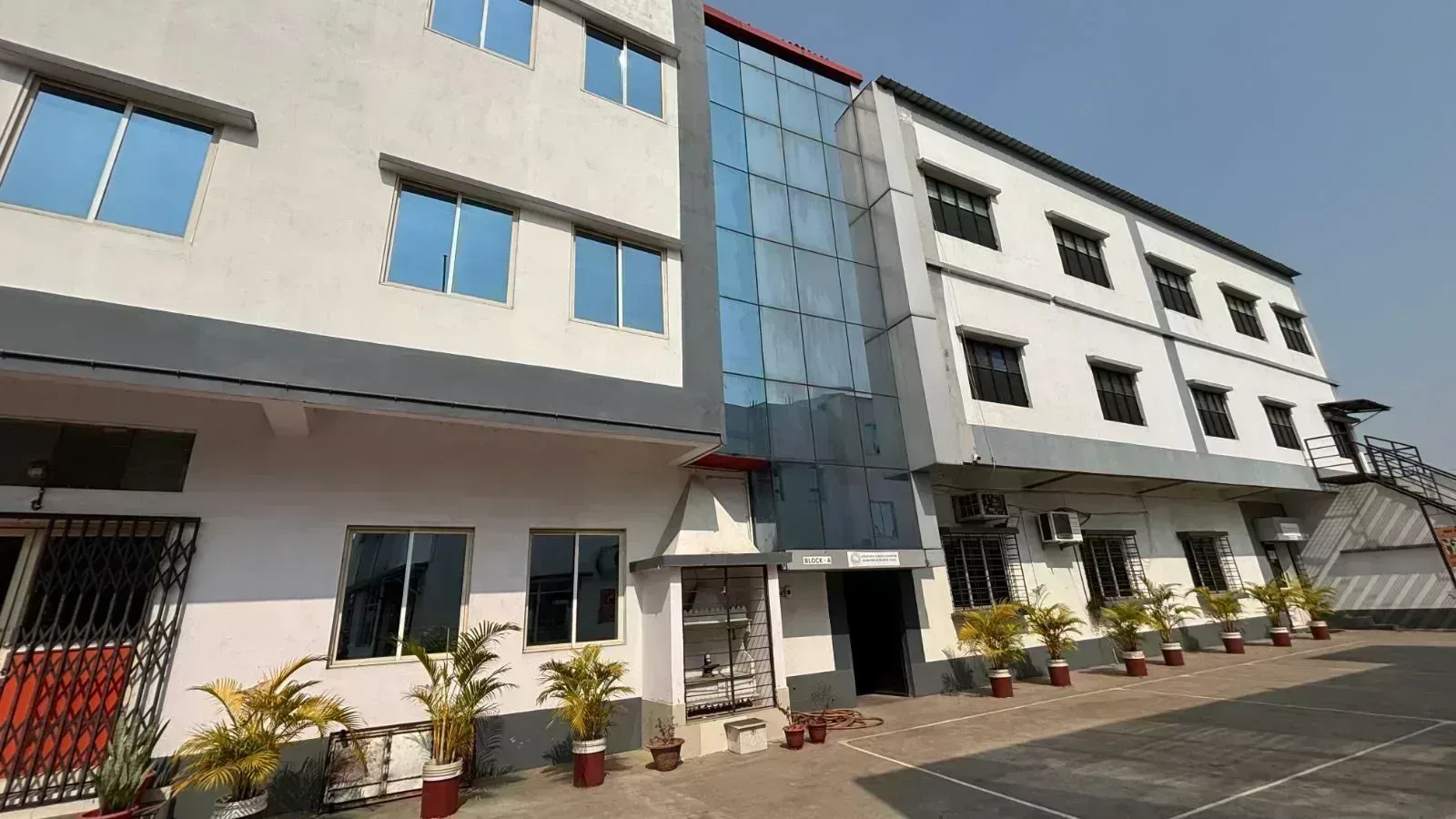
Location: Rajbandh, Near Banakali Mandir, Durgapur – 713212, West Bengal
Don't just study hospitality. Build the skills, experience, and professional confidence to grow with it. Start your journey with SHM today.