 CampusLife
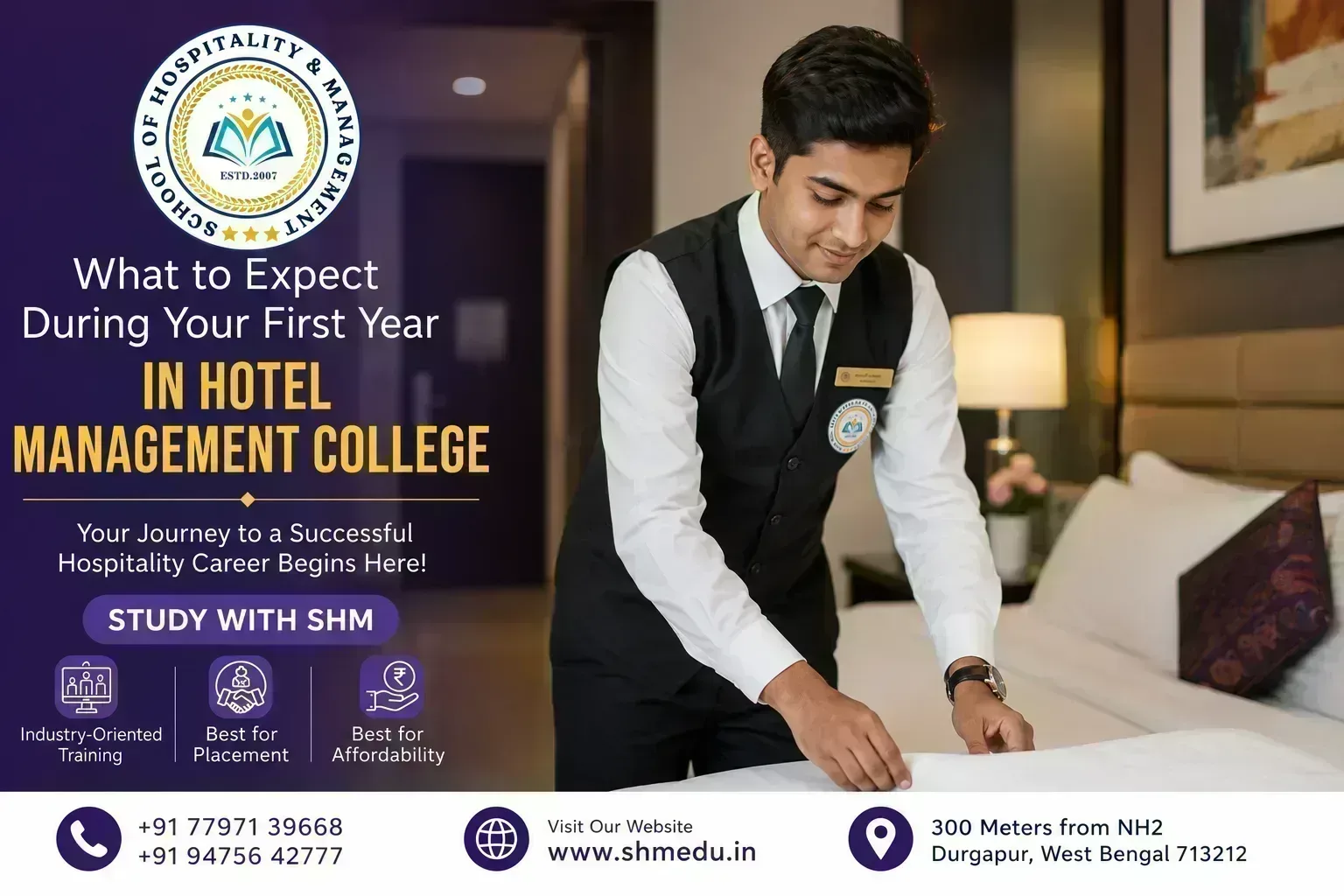
What to Expect During Your First Year in Hotel Management College
28 July 2026
Starting hotel management college is an exciting step toward a rewarding hospitality career. From practical training and hotel operations to communication, grooming, teamwork and industry exposure, your first year helps build the foundation for your future. Discover what students can expect during their first year and how Study with SHM can help you develop career-ready hospitality skills.
Starting college after Class 12 is an exciting experience. But when you choose hotel management, the first year can feel very different from a traditional college course. Instead of spending all your time with textbooks and lectures, you begin learning through practical sessions, professional training, communication activities, hospitality skills, teamwork and real-world exposure.
For many students, the first year of hotel management college is where they discover their strengths, improve their confidence and understand what working in the hospitality industry is really like.
If you are planning to join a hotel management college in Durgapur or looking for a hotel management institute in West Bengal, understanding what happens during the first year can help you make a confident decision.
At the School of Hospitality & Management (SHM), Durgapur, education is designed around a combination of academic learning, practical training, industry exposure and professional development. SHM focuses on helping students move from classroom learning to workplace readiness through an industry-integrated approach.
So, what exactly can you expect during your first year?
Let’s explore it step by step.
1. Your First Year Will Be About Building Strong Foundations
The first year of hotel management is not only about learning how hotels operate. It is about developing the basic skills that you will use throughout your hospitality career.
You may begin learning about areas such as:
• Front office operations
• Food and beverage service
• Food production and culinary basics
• Housekeeping operations
• Hospitality communication
• Grooming and etiquette
• Customer service
• Hotel operations
• Professional behaviour
• Teamwork and workplace discipline
These subjects introduce you to different departments and help you understand how each department contributes to the guest experience.
This foundation is important because hospitality is a highly interconnected industry. A front office executive needs to understand guest expectations. A food and beverage professional needs strong communication. A chef needs discipline and teamwork. A housekeeping professional needs attention to detail.
Your first year gives you the opportunity to explore these areas before deciding where you want to develop your career.
2. Expect More Practical Learning Than You May Imagine
One of the biggest differences between hotel management and many traditional courses is practical learning.
You will not simply read about hotel operations in a textbook. You will also learn how those operations work in practice.
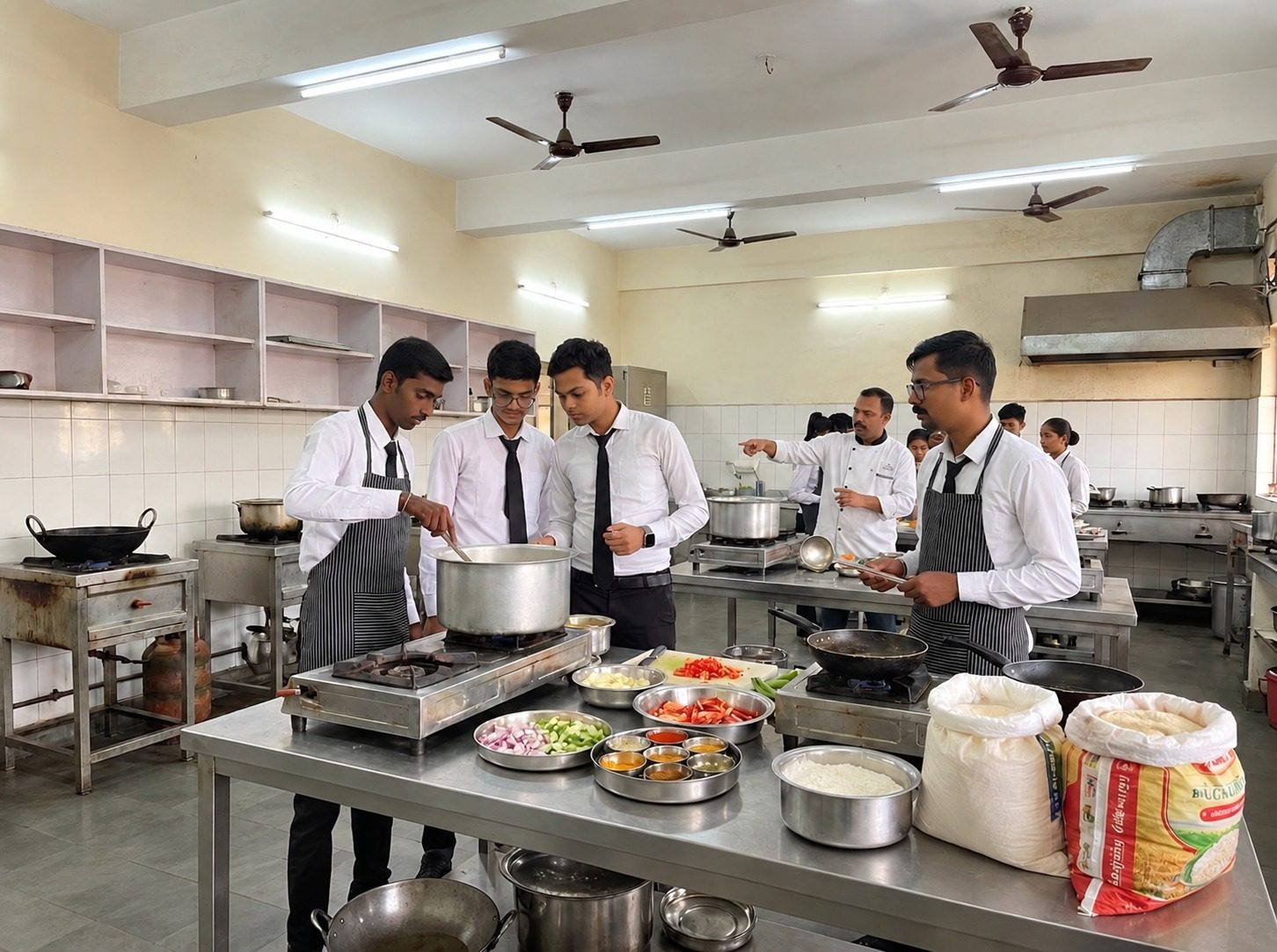
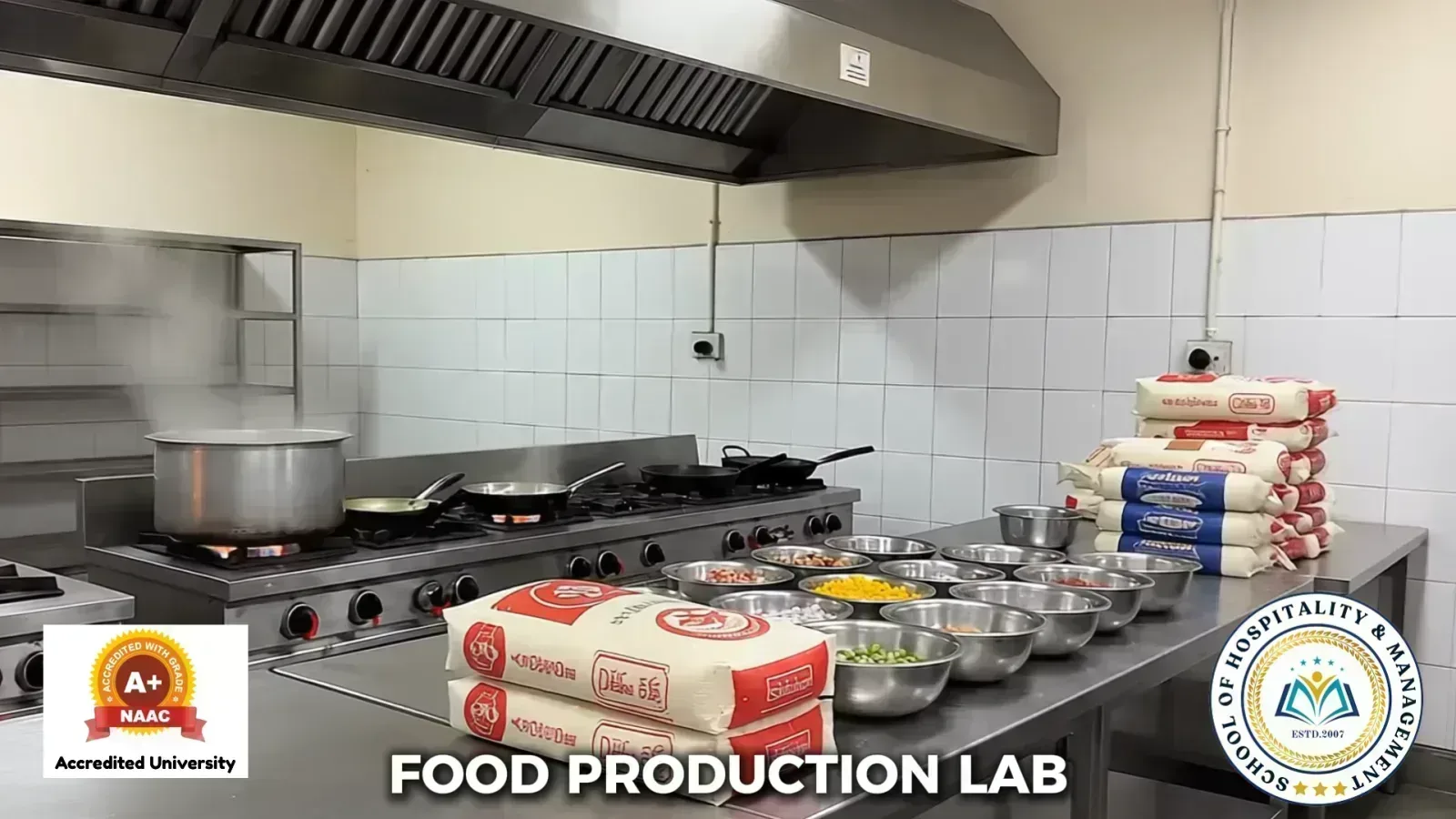
At SHM, practical training includes dedicated environments for areas such as food production and front office operations. Students can develop culinary skills, food safety awareness, reception procedures, reservations knowledge, guest handling and other hospitality competencies.
For a new student, practical classes can be one of the most exciting parts of college.
You may learn how to:
• Handle a guest at a reception desk
• Understand hotel reservations
• Perform check-in and check-out procedures
• Communicate professionally with guests
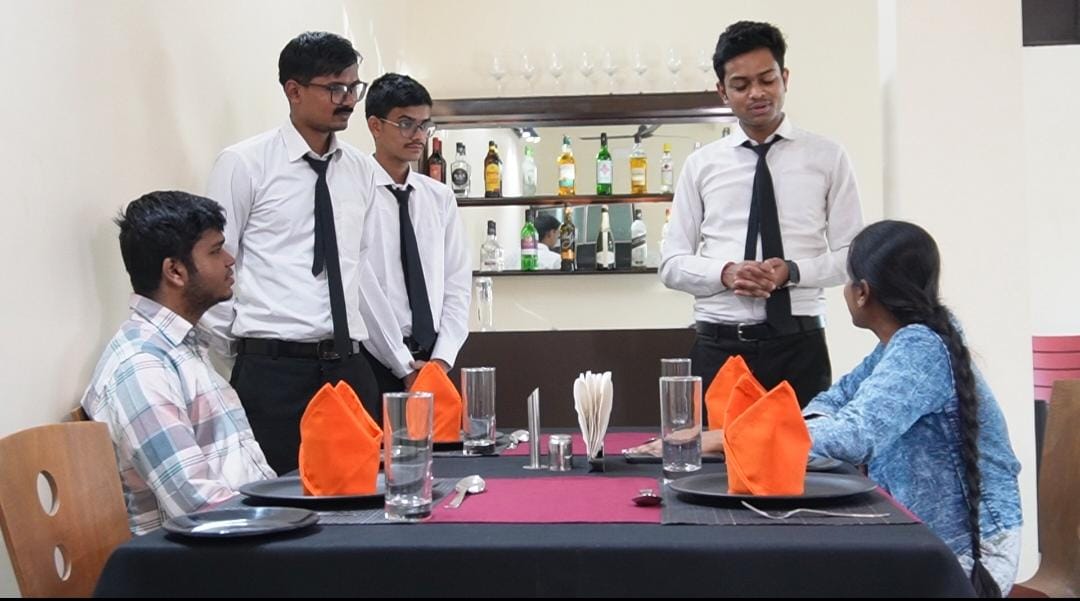
• Set up restaurant service
• Understand basic kitchen operations
• Follow hygiene and food safety standards
• Work as part of a hospitality team
• Maintain professional grooming standards
This is why choosing the right institute matters.
If you are searching for the A private college in Durgapur for hotel management, look beyond classrooms and ask how much practical exposure the college provides.
3. You Will Learn That Communication Is a Career Skill
Many students enter hotel management thinking that technical knowledge is the most important thing.
It is important—but communication can be equally valuable.
Hospitality professionals interact with guests, colleagues, supervisors, managers, suppliers and people from different cultures. Therefore, communication becomes an everyday professional skill.
During your first year, you can expect to work on:
• Spoken English
• Hospitality vocabulary
• Professional conversations
• Guest interaction
• Interview communication
• Presentation skills
• Listening skills
• Telephone etiquette
• Workplace communication
At SHM, communication and personality development are part of its career-focused training approach, with English and German language training also highlighted among its professional development areas.
The good news is that you do not need to be a perfect speaker on your first day.
College is where you learn.
The more you participate in presentations, practical activities, group discussions and guest-handling simulations, the more comfortable you become.
4. Grooming and Professional Etiquette Become Part of Your Routine
Hotel management is a people-oriented profession. Your appearance, body language and professional behaviour can influence the guest's first impression.
Therefore, grooming is not simply about looking good.
It is about developing professional discipline.
During your first year, you may become more conscious about:
• Personal hygiene
• Professional dressing
• Hair and appearance
• Body language
• Posture
• Eye contact
• Punctuality
• Table manners
• Professional greetings
• Workplace behaviour
These small habits can make a major difference when you eventually attend interviews or enter a hotel environment.
The objective is to help you become comfortable with professional standards before you enter the workplace.
5. You Will Discover How Different Hotel Departments Work
One of the most interesting things about your first year is discovering that a hotel is much more than a reception desk.
A successful hotel depends on multiple departments working together.
Front Office
The front office is often the first point of contact for guests. You can learn about reservations, reception, guest relations, check-in and check-out procedures and basic front office systems.
Food & Beverage Service
This department focuses on restaurants, banquets and other food service operations. You can develop knowledge of restaurant service, customer interaction and service standards.
Food Production
If you enjoy cooking, food production can become one of the most interesting areas of your course. You can learn basic culinary skills, kitchen discipline, food presentation and food safety.
Housekeeping
Housekeeping plays a major role in maintaining hotel quality. You can understand accommodation management, cleanliness standards and quality assurance.
Learning about these departments helps you identify your interests and strengths.
6. Expect to Work in Teams
Hospitality is rarely a one-person job.
Imagine a guest checking into a hotel. The front office communicates with housekeeping. Food and beverage coordinates with the kitchen. Supervisors coordinate with employees. Managers monitor operations.
Everyone has a role.
That is why teamwork is a major part of hotel management education.
During your first year, group activities and practical sessions can teach you how to:
• Divide responsibilities
• Communicate with teammates
• Solve problems
• Handle pressure
• Support colleagues
• Complete tasks on time
• Take responsibility for mistakes
• Work towards a shared goal
These experiences can be extremely valuable when you eventually enter a professional hotel environment.
7. Your Confidence Will Be Tested—and Improved
The first few months may feel challenging.
You might be nervous while speaking in front of your classmates. You may initially struggle with practical activities. You may feel uncomfortable wearing professional attire or interacting in English.
That is completely normal.
A good hotel management college should not expect you to arrive as a finished professional.
Instead, it should help you become one.
With regular practical training, mentoring, communication activities and professional exposure, students gradually become more confident.
SHM's approach combines academic education with practical training, career mentorship, communication development and industry exposure to help students become more workplace-ready.
This is an important reason students looking for a hotel management institute in West Bengal should consider the overall learning environment rather than judging a college only by its campus or fees.
8. Industry Exposure Can Start Earlier Than You Expect
One of the biggest advantages of an industry-integrated hotel management program is that students can start understanding workplace expectations early.
SHM's Job Embedded Learning approach combines academic learning with practical experience and workplace exposure. Its programs include internship-embedded learning and Corporate Residency opportunities.
This means your learning does not have to remain limited to the classroom.
As you progress, you can gain a better understanding of:
• Hotel workplace discipline
• Guest expectations
• Departmental responsibilities
• Professional communication
• Service standards
• Operational procedures
• Team management
• Workplace behaviour
This practical exposure can make the transition from college to employment easier.
9. You Will Start Thinking About Your Career
During the first year, you may not have a clear idea about your future career.
That is okay.
Hotel management offers several career paths, including:
• Front Office Executive
• Guest Service Associate
• Reservation Executive
• Guest Relations Executive
• Food & Beverage Executive
• Restaurant Professional
• Housekeeping Professional
• Hospitality Operations Executive
• Cruise Hospitality Professional
• Tourism and Travel Professional
• Event Management Professional
As you experience different areas of hospitality, you can begin identifying the departments that interest you most.
SHM also highlights career pathways across hotels, cruise hospitality, aviation hospitality, tourism, event management and international hospitality.
10. Placement Preparation Begins Before Graduation
Many students think about placement only when their final year begins.
A better approach is to start preparing early.
Your first year is the right time to begin developing the qualities employers look for.
These include:
• Communication
• Professional grooming
• Hospitality knowledge
• Customer service
• Teamwork
• Discipline
• Confidence
• Problem-solving
• Adaptability
At SHM, career support includes career counselling, resume development, interview preparation, recruitment drives, employer networking and professional mentorship.
This career-focused approach is particularly useful for students searching for the placement-focused when comparing hotel management colleges.
However, students should remember that placement support is not the same as a guaranteed job. Your own skills, performance, eligibility, interview results and professional attitude will always matter.
11. Affordability Can Also Influence Your College Decision
College fees are an important consideration for students and parents.
Choosing an affordable course does not mean choosing an education with fewer opportunities. The more important question is whether the institute provides value through practical learning, industry exposure, professional training and career support.
SHM publishes hospitality programs with an emphasis on affordable, industry-integrated education. Its current website also lists an institutional Corporate Scholarship of up to 60% on the tuition-fee component, subject to eligibility, assessment and approval.
This is why SHM can be considered Affordable by students comparing the overall value of hotel management education.
Students should always check the current fee structure, scholarship conditions and admission terms directly with the institution before making a financial decision.
12. Your Learning Does Not Stop After Classroom Hours
Modern hospitality education is increasingly supported by digital learning.
SHM's Student Zone provides students with syllabus-aligned notes, videos, audio, PDFs and learning resources. The platform also supports tracked study hours and verifiable certificates.
This can make learning more flexible.
If you do not understand something during a classroom session, additional learning resources can help you revisit the topic.
For first-year students, this is especially useful because you are still becoming familiar with hospitality terminology and professional concepts.
13. You May Start Building Your Professional Personality
Perhaps the biggest change during your first year will not be visible on your marksheet.
It will be visible in you.
You may become more confident while talking to strangers. You may become more disciplined about time. You may learn how to handle criticism. You may become better at working under pressure.
You may also start thinking differently about customer service.
These qualities are essential because hospitality is ultimately about people.
Technical skills can help you perform a task.
Professional personality helps you build a career.
What Should You Focus on During Your First Year?
If you want to make the most of your first year, focus on these seven areas:
1. Attend Practical Classes Seriously
Do not treat practical sessions as optional activities. They are an important part of becoming industry-ready.
2. Improve Your Communication
Practice speaking every day. Learn hospitality vocabulary and become comfortable communicating with different people.
3. Take Grooming Seriously
Professional presentation is part of hospitality.
4. Ask Questions
If you do not understand something, ask your teachers and mentors. Curiosity can accelerate your learning.
5. Explore Different Departments
Do not decide your career too quickly. Experience different areas before choosing your preferred path.
6. Build Professional Discipline
Be punctual, responsible and consistent. These habits matter in every hospitality workplace.
7. Start Preparing for Your Career Early
Build your resume, practice interviews, participate in activities and learn about different career opportunities.
Why Choose SHM for Your Hotel Management Journey?
Choosing a hotel management college is an important decision.
Students should look for an institute that combines education with practical exposure, industry integration and career development.
The School of Hospitality & Management, Durgapur focuses on this combination through recognized Degree and Diploma programs, practical hospitality training, internship and work-integrated learning opportunities, Corporate Residency, communication development, professional mentorship and placement assistance.
For students looking for a hotel management institute in West Bengal, SHM offers a learning environment designed to connect education with practical hospitality experience.
Students searching for the A private college in Durgapur should also consider factors such as curriculum, industry exposure, facilities, affordability, career support and practical training instead of relying only on college rankings or advertisements.
If affordability is important, explore SHM's current fee structure and Corporate Scholarship terms. If career preparation is your priority, understand how the college approaches practical learning and placement assistance.
Most importantly, Study with SHM with the mindset that hotel management is not simply a degree—it is preparation for a professional career.
Final Thoughts
Your first year in hotel management college can be a combination of excitement, learning, challenges and personal growth.
You will study hospitality fundamentals, practise hotel operations, improve communication, develop professional grooming, work in teams and begin understanding the expectations of the hospitality industry.
You may make mistakes.
You may feel nervous.
You may discover that one department is not right for you.
And that is all part of the journey.
The purpose of your first year is not to make you an experienced hotel manager overnight. It is to build the foundation on which your future hospitality career can grow.
So, when choosing a hotel management college, look beyond the classroom. Look for practical training, industry exposure, mentorship, career development and opportunities to experience hospitality in a professional environment.
If you are planning your career after Class 12 and searching for a hotel management institute in West Bengal, explore your options carefully, understand the course structure and choose an institute that matches your career goals.
And if you are ready to experience hospitality education that connects learning, practical experience and career development, you can Study with SHM and begin your journey toward the global hospitality industry.
Frequently Asked Questions
Q1. What do students learn in the first year of hotel management?
Students generally build foundations in areas such as front office, food and beverage service, food production, housekeeping, communication, grooming, customer service and basic hotel operations.
Q2. Is hotel management mostly practical or theoretical?
Hotel management combines both academic and practical learning. Practical training is particularly important because students need to understand how hospitality operations work in real environments.
Q3. Is hotel management a good career after Class 12?
Yes. Hotel management can lead to careers across hotels, resorts, restaurants, cruise hospitality, tourism, aviation hospitality and event management.
Q4. How important is English in hotel management?
English and professional communication are important because hospitality professionals regularly interact with guests, colleagues and international visitors.
Q5. What should I look for when choosing a hotel management college?
Look at practical training, industry exposure, curriculum, faculty, infrastructure, career support, affordability, internships and placement assistance before choosing an institute.
Q6. Why is practical experience important in hotel management?
Practical experience helps students understand workplace discipline, guest expectations, operational procedures and professional standards before entering the hospitality industry.
Q7. Where can I learn more about SHM's hotel management programs?
You can explore the official SHM website for information about programs, practical training, admissions, fees, scholarships, career support and other opportunities.