 Placement
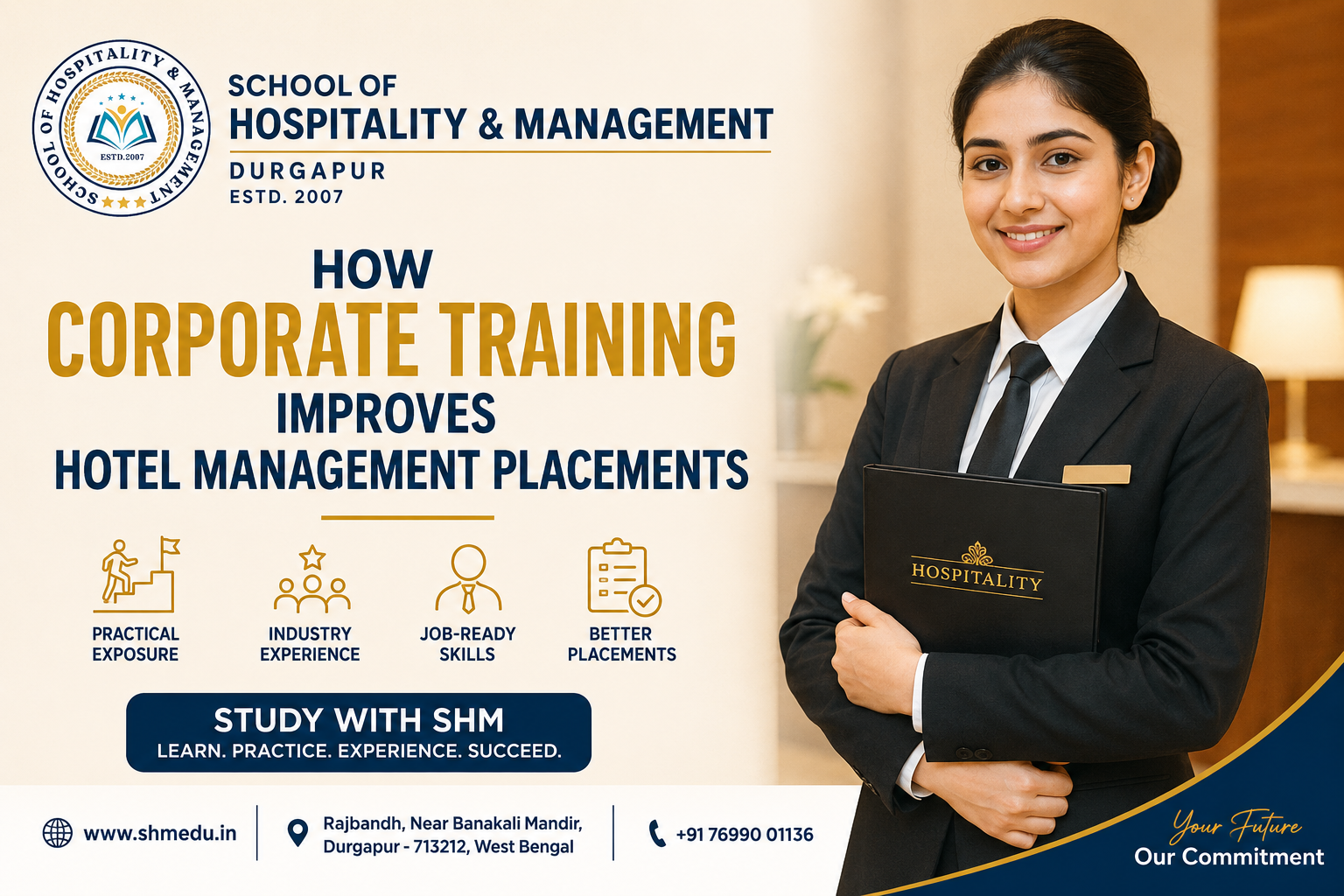
How Corporate Training Improves Hotel Management Placements
14 August 2026
Corporate training bridges the gap between classroom learning and the hospitality industry. Discover how practical exposure, industry experience and professional training can help hotel management students become more placement-ready.
The hospitality industry is built around people, service, communication, professionalism, and practical skills. A student may learn the theory of hotel operations in a classroom, but the real test begins when they face a guest, manage a busy restaurant, handle a reservation, coordinate with a team, or solve an unexpected service problem.
That is why corporate training has become an important part of modern hotel management education.
Today, students and parents are not simply looking for a degree. They want education that develops practical skills, provides industry exposure, improves employability, and prepares students for the demands of the professional world.
This is where an industry-integrated education model can make a major difference.
The School of Hospitality & Management (SHM), Durgapur focuses on connecting academic learning with practical training, internships, corporate residency, workplace learning, professional development, and placement assistance. SHM describes its approach as an effort to bridge the gap between hospitality education and professional employment.
For students researching the Best hotel management college in West Bengal, corporate training should therefore be one of the most important factors to consider.
What Is Corporate Training in Hotel Management?
Corporate training is industry-oriented learning that helps students understand how hospitality businesses actually operate.
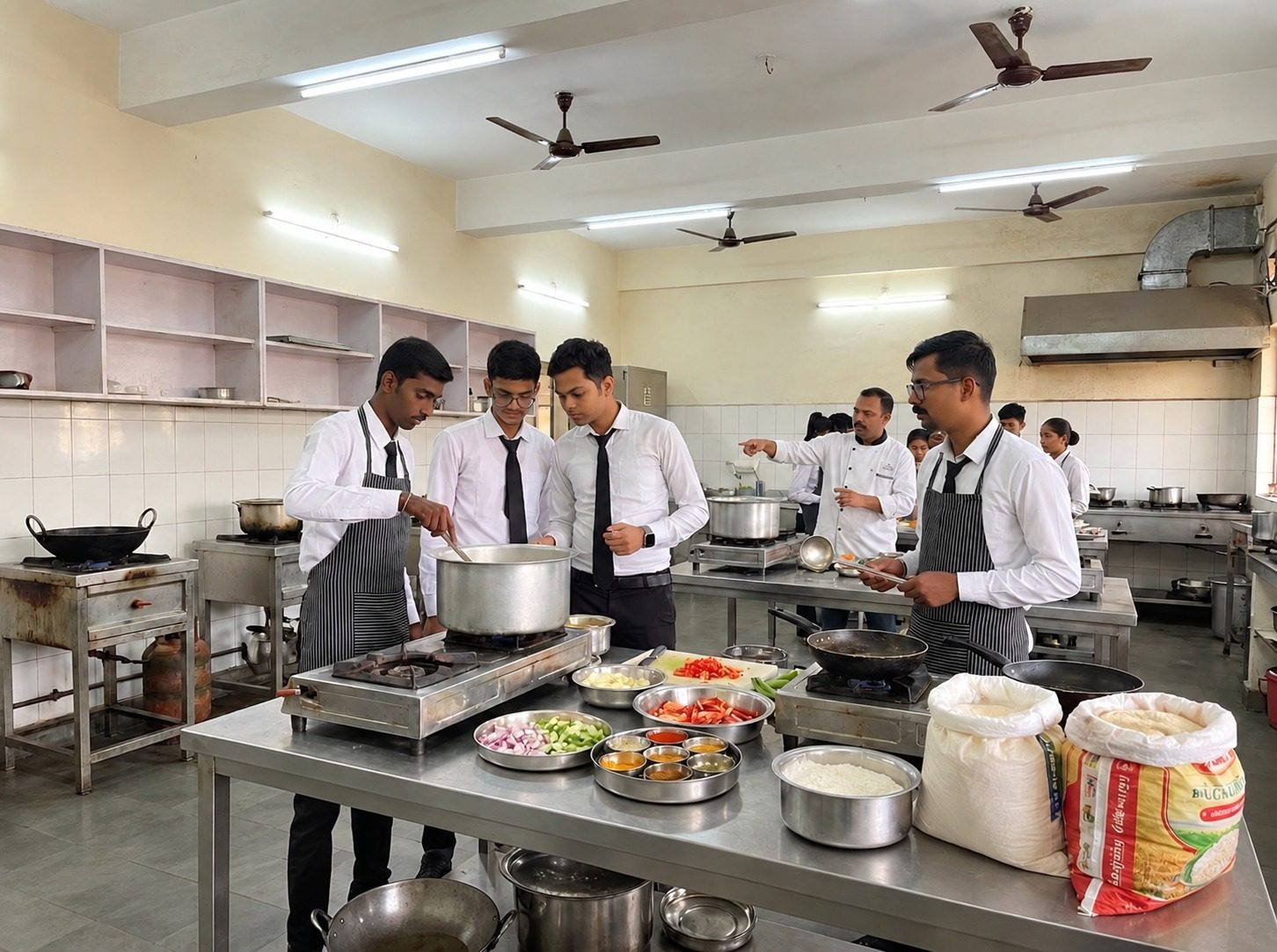
Instead of relying only on textbooks and classroom lectures, students receive opportunities to develop practical knowledge through simulated environments, internships, workplace exposure, corporate residency, workshops, and operational training.
Hotel management students can gain practical exposure to areas such as:
• Front office operations
• Guest relations
• Reservations and check-in/check-out
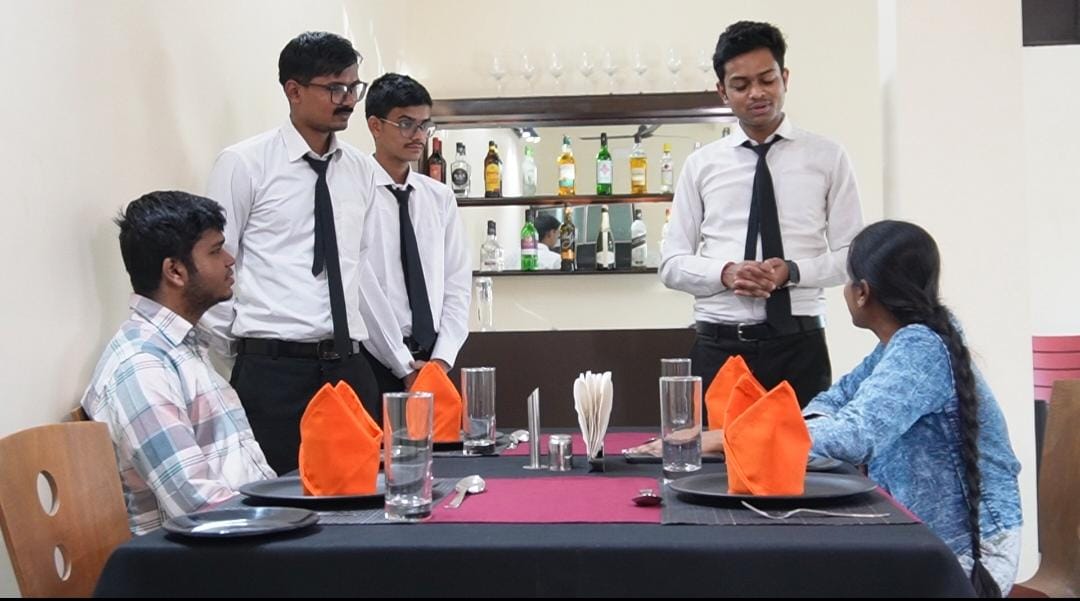
• Food and beverage service
• Restaurant and banquet operations
• Food production
• Housekeeping
• Customer service
• Professional communication
• Grooming and etiquette
• Teamwork and leadership
• Workplace discipline
SHM's current programme model combines academic learning with practical training, internships, corporate residency, work-integrated learning, and career-focused development.
This approach helps students understand an important reality: hospitality is learned best when theory and practice work together.
Why Corporate Training Matters for Hotel Management Placements
The purpose of a hotel management course is not simply to help a student pass examinations.
The larger objective is to prepare students for professional opportunities.
Recruiters expect candidates to demonstrate more than academic knowledge. They look for communication skills, confidence, customer-handling ability, teamwork, discipline, professional behaviour, and an understanding of hotel operations.
Corporate training helps students begin developing those qualities before graduation.
This can make the transition from college to employment easier because students are already familiar with the realities of hospitality workplaces.
For anyone searching for the Best for placement, it is important to understand that placement preparation begins long before the interview. It starts with the skills students develop during their education.
1. Corporate Training Provides Real Industry Exposure
One of the strongest benefits of corporate training is exposure to real or simulated hospitality environments.
A classroom can explain how a front desk works. Practical training allows students to actually practise reception procedures, reservations, guest communication and hotel service workflows.
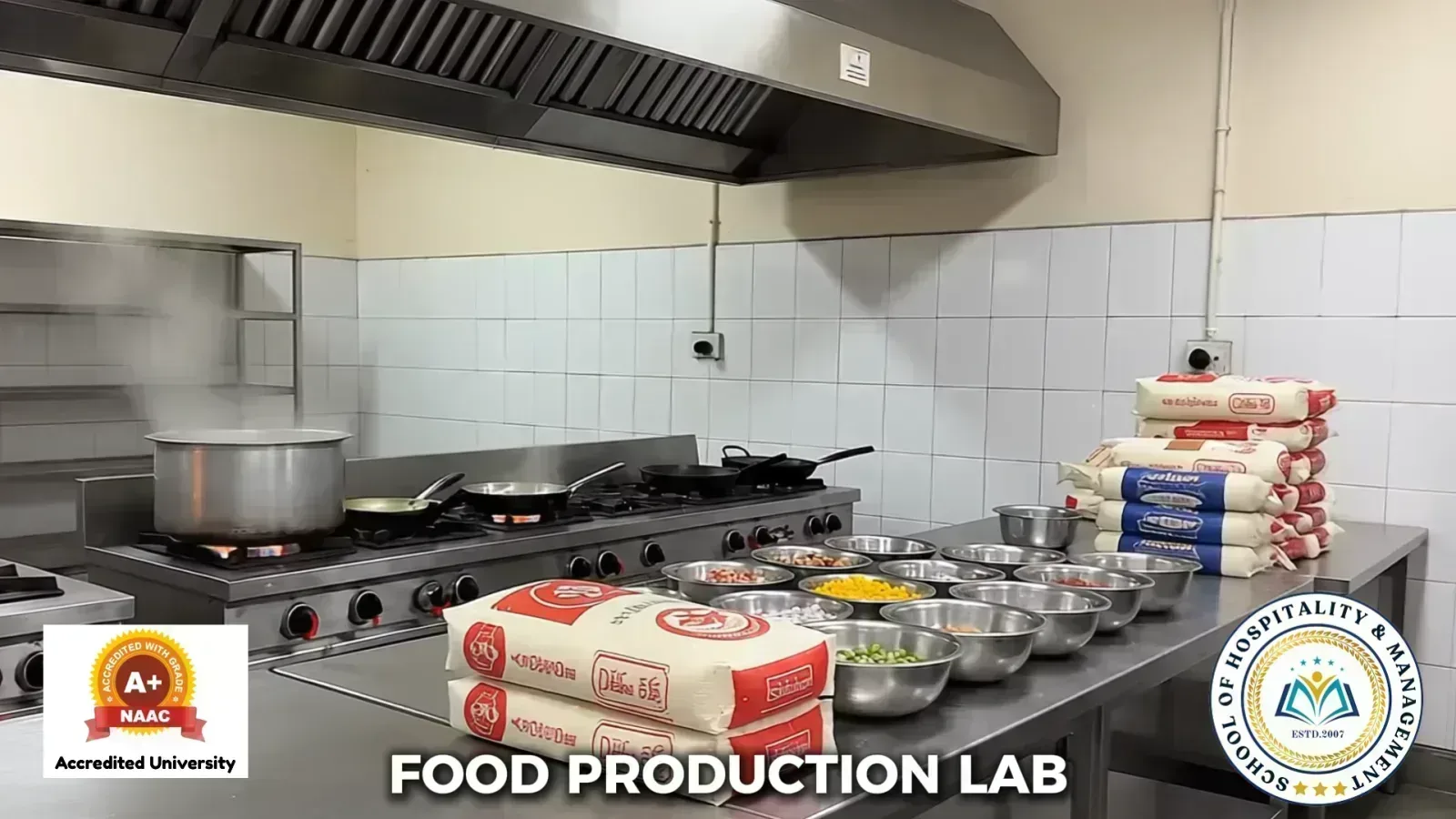
SHM's industry-oriented facilities include a Front Office Lab, Food Production Lab and Work Integrated Learning opportunities across hotels, resorts, restaurants and banquet operations.
This kind of exposure can help students understand how departments function individually and how they work together.
It also gives students practical examples they can discuss during interviews.
Instead of saying, "I know hotel operations," students can explain what they have practised, what challenges they encountered, and what they learned from the experience.
2. It Develops Job-Ready Skills
Hospitality is a service-driven industry.
Employers need people who can perform tasks accurately while maintaining a professional attitude toward guests and colleagues.
Corporate training helps students develop skills such as:
Communication: Speaking clearly and professionally with guests and team members.
Customer service: Understanding guest expectations and responding appropriately.
Problem-solving: Finding practical solutions when unexpected situations occur.
Teamwork: Coordinating with multiple departments to deliver smooth service.
Time management: Handling responsibilities efficiently in busy environments.
Professional discipline: Following schedules, procedures, grooming standards and operational requirements.
These are transferable employability skills that can support students across hotels, resorts, restaurants, cruise hospitality, aviation hospitality, tourism, and other service sectors.
SHM identifies communication, personality, leadership and employability development among the key components of its hospitality education model.
3. Practical Experience Builds Confidence
Confidence is one of the most important qualities students need during placement interviews.
An interviewer may ask:
"How would you handle an unhappy guest?"
A student who has only studied the theory may give a textbook answer.
A student who has experienced practical training can often answer from a more realistic perspective, discussing communication, escalation, empathy, service recovery and coordination.
Corporate training creates opportunities for students to practise before they enter permanent employment.
This repeated practice can improve confidence and reduce hesitation.
For students aiming for the Best for placement, confidence-building should be considered just as important as academic performance.
4. Students Understand Different Hotel Departments
Hospitality is a large industry with many career paths.
A student may begin college thinking about front office and later discover a strong interest in food and beverage. Another student may develop an interest in housekeeping, guest relations, cruise hospitality, travel, events, or operations.
Industry exposure helps students understand these different possibilities.
SHM's programmes and career pathways cover areas including hotel operations, front office, food and beverage, housekeeping, cruise hospitality, aviation hospitality, tourism, event management and international hospitality.
This broader exposure can help students identify their strengths and make more informed career decisions.
5. Corporate Training Improves Interview Performance
Placement interviews often test how students think, communicate and respond to practical scenarios.
Recruiters may ask questions such as:
"How would you deal with a difficult guest?"
"What happens during a busy check-in period?"
"How would you handle a service complaint?"
"How would you coordinate with another department?"
"What would you do if a guest's reservation information was incorrect?"
These questions are easier to approach when students have already experienced practical situations.
Industry-integrated education gives students a foundation of workplace understanding that can strengthen their interview responses.
SHM's published career-support model includes career counselling, resume development, interview preparation, recruitment drives, employer networking and professional mentorship.
6. It Strengthens a Student's Resume
A hospitality resume becomes stronger when it demonstrates practical experience alongside academic qualifications.
For example, compare these two profiles:
Student A:
Bachelor's degree in Hospitality Management.
Student B:
Bachelor's degree in Hospitality Management + practical hotel training + internship exposure + corporate residency + customer-service skills + interview preparation.
The second profile communicates a broader range of capabilities.
Corporate training can give students practical experiences that they can discuss during interviews and include appropriately in their resumes.
This is one reason an industry-integrated college can be an attractive option for students looking for the Best hotel management college in West Bengal.
7. Students Learn Professional Discipline
Hotels operate on standards, schedules, systems and procedures.
Employees must arrive on time, follow grooming requirements, communicate professionally, maintain hygiene standards, respect departmental procedures and work effectively under pressure.
Students who receive structured corporate training begin developing these habits early.
They learn that hospitality is not simply about serving guests with a smile. It is about consistency, professionalism, teamwork, responsibility and attention to detail.
Those qualities become increasingly valuable as students progress from entry-level positions toward supervisory and managerial responsibilities.
8. Corporate Training Reduces the Gap Between College and Employment
One of the biggest challenges after graduation is adjusting from academic life to professional life.
Corporate training can reduce that gap.
SHM's Job Embedded Learning approach describes a combination of academic learning, practical exposure, professional development and workplace experience throughout the educational journey. The institution highlights early industry exposure, practical experience, stronger professional profiles and enhanced employability as key outcomes.
Students who have already experienced workplace environments can be more familiar with reporting structures, department coordination, guest expectations, schedules and professional conduct.
That familiarity can support a smoother transition into employment.
Corporate Training and Earn While You Learn
Another feature that can add value to an industry-integrated programme is the opportunity to combine education with practical experience.
SHM promotes an Earn While You Learn approach alongside internships, corporate residency and work-integrated learning opportunities.
This can be especially relevant to students and families who are conscious of the overall cost of higher education.
SHM currently publishes a total fee of ₹2,00,000 for its three-year Bachelor Degree programme and ₹80,000 for its 18-month Diploma programme, alongside a Corporate Scholarship of up to 60% on tuition fees for the 2026–27 admission cycle. The college clearly states that "up to 60%" is a maximum, not a guaranteed discount, and that individual eligibility and approval apply.
For families searching for a college that is Best for affordability, it is sensible to compare total educational value rather than looking at fees alone.
Consider practical training, industry exposure, professional development, career support and the opportunities available alongside the course.
Why Choose an Industry-Integrated College?
When comparing hotel management colleges, students should ask more than:
"What is the course fee?"
They should also ask:
"What will I learn?"
"Where will I gain practical experience?"
"How will I prepare for interviews?"
"Will I understand the real hospitality industry before graduation?"
"What career support will I receive?"
"Will I get opportunities to interact with employers?"
These questions help students evaluate the actual value of a hospitality programme.
SHM's model combines academic programmes with practical training, workplace learning, internships, corporate residency, career mentorship and placement assistance.
For students looking for the Best private college in Durgapur, such industry integration can be an important factor during the decision-making process.
What Students Can Expect at SHM
The School of Hospitality & Management, Durgapur, was established in 2007 and focuses on education that connects learning with employability and professional experience.
According to SHM, its hospitality education ecosystem includes:
Practical Hospitality Training
Students develop skills in front office, food and beverage, food production and housekeeping.
Industry Exposure
Internships, corporate residency and work-integrated learning provide workplace-oriented experience.
Career Mentorship
Students receive professional guidance, career counselling and mentorship.
Interview Preparation
Placement preparation includes resume development and interview support.
Recruitment Drives
Students can participate in structured recruitment opportunities and employer networking.
Professional Development
Communication, personality, leadership and employability are developed alongside technical skills.
The college also highlights career pathways across hotels, cruise hospitality, aviation, tourism, event management and international hospitality.
Why SHM Can Be a Smart Choice for Career-Focused Students
There are many hotel management colleges, but students should choose an institution based on how well its learning model matches their career goals.
A career-focused student may benefit from an institution that provides:
Education + Practical Training + Industry Exposure + Professional Development + Placement Support
That combination is central to SHM's published approach.
This makes SHM worth considering for students searching for the Best hotel management college in West Bengal and for families seeking the Best private college in Durgapur with an industry-oriented learning model.
Students who prioritise overall value may also find the programme attractive when comparing options that aim to be Best for affordability.
And for students whose primary concern is career preparation, the emphasis on practical learning, interview preparation, employer networking and placement assistance makes SHM relevant for those searching for the Best for placement.
Corporate Training Does Not Replace Student Effort
It is important to remember that corporate training is a foundation, not a guarantee of employment.
A student's placement outcome also depends on academic performance, communication, attendance, professional behaviour, interview performance, skill development, employer requirements and the availability of relevant opportunities.
No college can responsibly guarantee a job, salary, or particular placement outcome for every student.
The real advantage of corporate training is that it gives students the opportunity to prepare better.
The more seriously students participate in practical learning, internships, workshops, communication development and professional mentoring, the more effectively they can use the opportunities provided by the institution.
The Future of Hotel Management Is Industry-Integrated
Hospitality employers need graduates who are prepared to work in real environments.
Technology is changing hotel operations. Guest expectations are evolving. Hotels are becoming increasingly service-oriented, data-driven and globally connected.
That means hospitality graduates need a combination of academic knowledge and practical competence.
The future belongs to students who can:
Learn. Practise. Experience. Perform. Grow.
That is exactly why corporate training is becoming such an important element of hotel management education.
Conclusion
Corporate training can transform the way students prepare for hospitality careers.
It provides industry exposure, develops job-ready skills, improves confidence, strengthens resumes, enhances interview performance, teaches professional discipline and helps students transition more comfortably from college to employment.
For students looking for the Best hotel management college in West Bengal, these factors should be an important part of the college-selection process.
The right institution should not simply help you earn a qualification. It should help you develop the skills and professional mindset required to use that qualification effectively.
At SHM, Durgapur, the focus is on connecting education with experience, employability and industry exposure through practical training, internships, corporate residency, career mentorship and placement support.
So, if you are looking for a college that combines practical hospitality education with industry-oriented learning, explore what SHM has to offer.
Ready to Start Your Hospitality Career?
Don't wait until graduation to gain industry experience. Start preparing for your career from the first day of college.
Study with SHM. Learn practical skills. Gain industry exposure. Build professional confidence. Prepare for the world of hospitality.
Whether your priority is finding the Best hotel management college in West Bengal, choosing a college that is Best for affordability, searching for an institution that can support your goal of becoming Best for placement, or looking for the Best private college in Durgapur, SHM deserves a place on your shortlist.
Study with SHM — Turn Education Into Experience and Experience Into Opportunity.
Explore programmes, check your eligibility, understand the available scholarship options, and speak with the admissions team about your career goals.
Start your hospitality journey today.
School of Hospitality & Management, Durgapur
Rajbandh, Near Banakali Mandir, Durgapur – 713212, West Bengal
Website: https://shmedu.in/
Phone: +91 76990 01137
Email: [email protected]
Explore SHM: https://shmedu.in/