 REVENUE
How Hotel Chains Are Revolutionizing Hotel Management Practices
30 July 2026
The hospitality industry is undergoing a remarkable transformation as leading hotel chains embrace artificial intelligence, automation, sustainability, smart technology, and personalized guest experiences. These innovations are reshaping hotel management practices and creating exciting career opportunities for the next generation of hospitality professionals.
The hotel industry is changing faster than ever. From artificial intelligence and smart hotel rooms to personalized guest experiences and sustainable operations, modern hotel chains are transforming the way hotels are managed. Today, hotel management is no longer limited to reception desks, housekeeping schedules, restaurant operations, and traditional guest service. It has become a technology-driven, data-informed, customer-focused and highly competitive profession.
For students planning a career in hospitality, understanding these changes is extremely important. The future of hotel management will belong to professionals who can combine traditional hospitality skills with technology, communication, leadership and business knowledge.
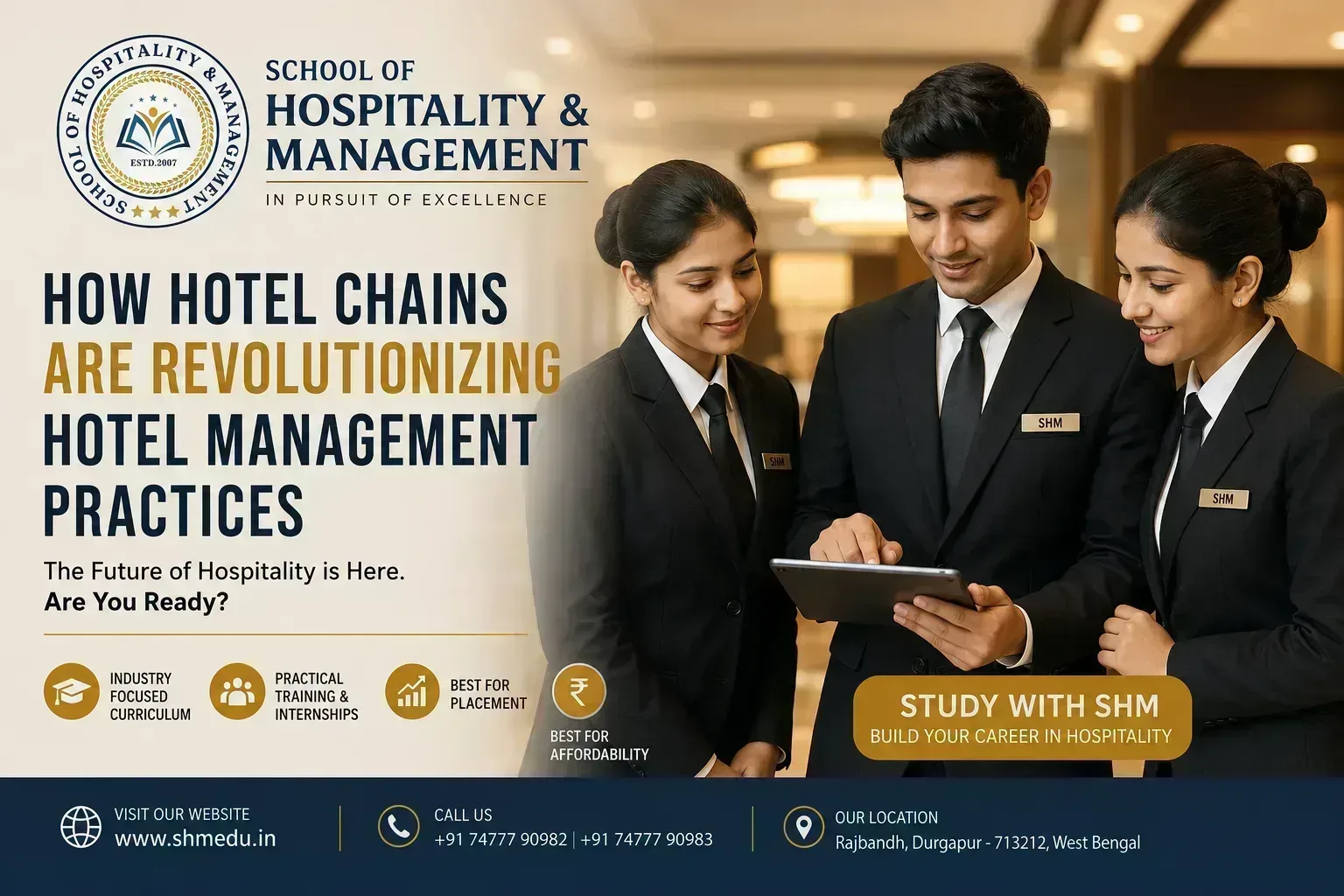
This is also why choosing the right hospitality education matters. At the School of Hospitality & Management (SHM), Durgapur, students are prepared through academic learning, practical training, industry exposure, internships, corporate residency and career-focused development. SHM's approach reflects the growing need to bridge the gap between classroom education and real hotel operations.
If you are looking for a hotel management institute in West Bengal, understanding how the industry itself is evolving can help you make a better career decision.
The Hotel Industry Is Entering a New Era
Traditional hotel management depended heavily on manual processes and face-to-face interactions. While human interaction remains at the heart of hospitality, technology has changed how hotels manage reservations, guest information, payments, housekeeping, marketing, revenue and customer relationships.
Large hotel groups are increasingly investing in connected technology, data management and artificial intelligence to make operations more efficient and guest experiences more personalized. For example, major hospitality groups are working toward unified guest data systems that can help employees understand customer preferences and provide more relevant services.
This transformation is creating a new type of hospitality professional—one who understands both people and technology.
1. Artificial Intelligence Is Changing Hotel Operations
Artificial intelligence is becoming one of the most important technologies in modern hospitality.
Hotels can use AI-powered systems to analyze guest preferences, predict demand, support customer service and automate repetitive tasks. AI can also assist hotels in responding to common guest questions, analyzing reviews and identifying patterns in customer behavior.
For hotel managers, this means faster decision-making and better operational efficiency.
However, AI is not replacing hospitality professionals. Instead, it is changing their responsibilities. Hotel employees increasingly need to understand how to use digital systems while continuing to provide empathy, personal attention and excellent service.
This is why future hotel management students need digital literacy alongside traditional hospitality skills.
2. Personalization Has Become a Major Competitive Advantage
Guests no longer want a generic hotel experience. They increasingly expect hotels to understand their needs and preferences.
Hotel chains are using customer data to create more personalized experiences. Previous booking history, room preferences, dining choices and loyalty-program information can help hotels deliver more relevant services.
For example, a returning guest may receive personalized room preferences, relevant dining recommendations or tailored loyalty benefits.
This makes guest relationship management more important than ever.
The modern hotel professional must therefore understand communication, customer psychology and technology. A successful hospitality employee needs to know how to make guests feel recognized without making the interaction feel artificial.
3. Smart Technology Is Transforming the Guest Journey
The guest experience now begins long before a customer enters the hotel.
Guests can search for hotels, compare reviews, make reservations, complete digital payments and communicate with properties through smartphones. At the property level, hotels are also experimenting with mobile room keys, biometric access and other contactless technologies. In India, hospitality leaders have discussed biometric and mobile-based access as potential alternatives to traditional plastic keycards.
Smart technology can reduce waiting time and make hotel operations smoother.
But technology must support hospitality rather than remove the human element. A guest may appreciate a quick digital check-in, but they may still remember the receptionist who welcomed them warmly.
The future is therefore not technology versus people. It is technology plus people.
4. Hotel Management Is Becoming More Data-Driven
Data has become one of the most valuable resources in the hospitality industry.
Hotel chains collect information related to occupancy, room rates, guest preferences, booking patterns, restaurant performance and customer feedback. Managers can use this information to make better business decisions.
Revenue management is a particularly important example.
Hotels need to adjust room prices according to demand, seasonality, events, competition and market conditions. Modern forecasting and analytics tools can support these decisions and help hotels improve revenue performance. Research into hotel KPI forecasting has also explored machine-learning approaches for predicting metrics such as occupancy, Average Daily Rate and RevPAR.
This means hotel management education increasingly needs to include analytical thinking.
Students who understand basic data interpretation, revenue management and digital tools can develop an advantage when entering the modern hospitality industry.
5. Sustainability Is Reshaping Hotel Management
Sustainability is no longer simply a marketing concept. It is becoming an important part of hotel operations.
Hotel chains are exploring ways to reduce energy consumption, minimize waste, reduce plastic usage and improve resource management. Sustainable practices can influence housekeeping, food production, laundry, procurement, engineering and guest services.
Even small operational decisions can make a difference.
Reducing unnecessary linen changes, controlling food waste, using energy-efficient equipment and reducing disposable products can contribute to more responsible hotel operations.
Sustainability is also influencing guest expectations. Many travelers increasingly appreciate hotels that demonstrate responsible environmental practices.
Future hotel managers therefore need to understand both profitability and sustainability.
6. Loyalty Programs Are Becoming More Intelligent
Hotel loyalty programs have evolved significantly.
Large hotel groups are investing in loyalty ecosystems to strengthen direct relationships with guests and reduce dependence on third-party booking channels. Major chains are using technology, personalized benefits and loyalty partnerships to encourage customers to book directly.
The concept is simple: a satisfied guest should have a reason to return.
For hotel managers, loyalty is not only about discounts. It is about creating consistent experiences across multiple touchpoints.
From reservation to checkout, every interaction can influence whether a guest chooses the same hotel brand again.
This makes customer relationship management, communication and service consistency essential hotel management skills.
7. Technology Is Also Changing Back-End Operations
Guests may notice the front-end changes, but some of the biggest innovations are happening behind the scenes.
Cloud-based hotel management systems can connect reservations, room inventory, payments and operational information. AI-powered hotel management platforms are also being developed to support independent hotels with tasks such as operations, communication and management.
For hotel employees, this means less dependence on manual paperwork and greater use of digital dashboards and integrated systems.
A modern hotel manager may need to understand:
• Property management systems
• Online booking platforms
• Revenue management
• Customer relationship management
• Digital marketing
• Data analytics
• Digital payment systems
• AI-assisted tools
• Online reputation management
The hotel manager of the future will therefore be both a hospitality professional and a technology-enabled business leader.
8. Employee Skills Are Changing Alongside Technology
Technology may be transforming hotel operations, but people remain the foundation of hospitality.
A hotel can have advanced software and smart rooms, but it still needs trained employees who understand service, communication, teamwork and guest expectations.
Hotel chains increasingly require employees who can adapt to changing technologies while maintaining professional hospitality standards.
Important skills include:
Communication: Employees must communicate clearly with guests and colleagues.
Problem-solving: Hospitality professionals frequently need to handle unexpected situations.
Digital literacy: Employees need to understand hotel technology and software.
Customer service: Guest satisfaction remains at the heart of hospitality.
Teamwork: Hotel operations depend on coordination between departments.
Cultural awareness: International hospitality requires professionals who can work with diverse guests and colleagues.
Leadership: Future managers must motivate teams and make confident operational decisions.
These skills explain why practical hospitality education is becoming increasingly valuable.
9. Why Practical Hotel Management Education Matters
The transformation of hotel chains is also transforming what students need from a hotel management college.
Reading about hotel operations is not enough. Students need opportunities to understand how a front office works, how food and beverage services operate, how housekeeping maintains quality and how guest expectations are managed.
SHM Durgapur follows an industry-oriented approach that combines academic learning with practical training, internships, workplace exposure and career development. Its Job Embedded Learning model is designed to give students exposure to hotel operations while they continue their education.
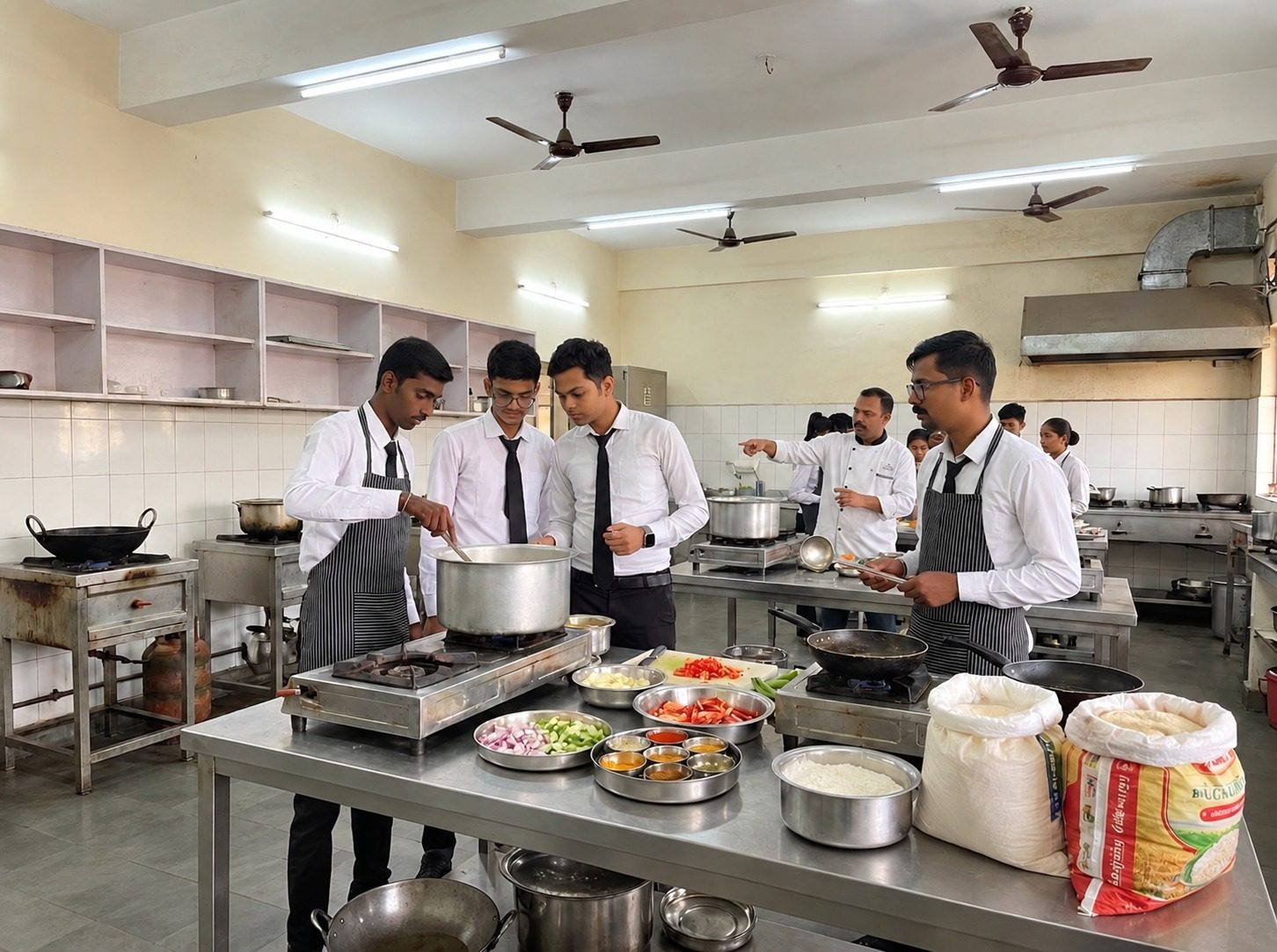
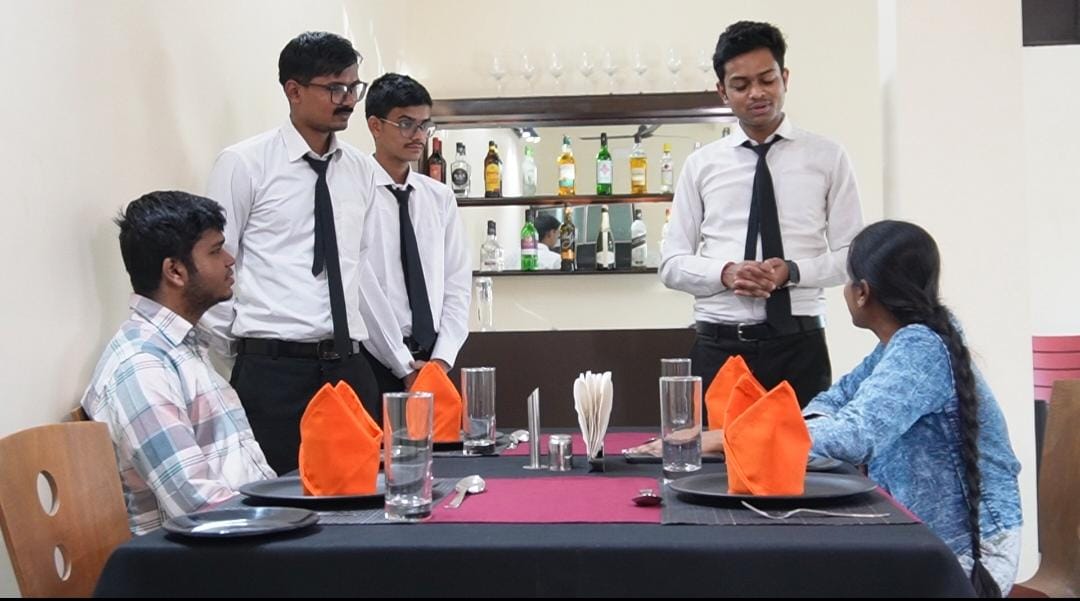
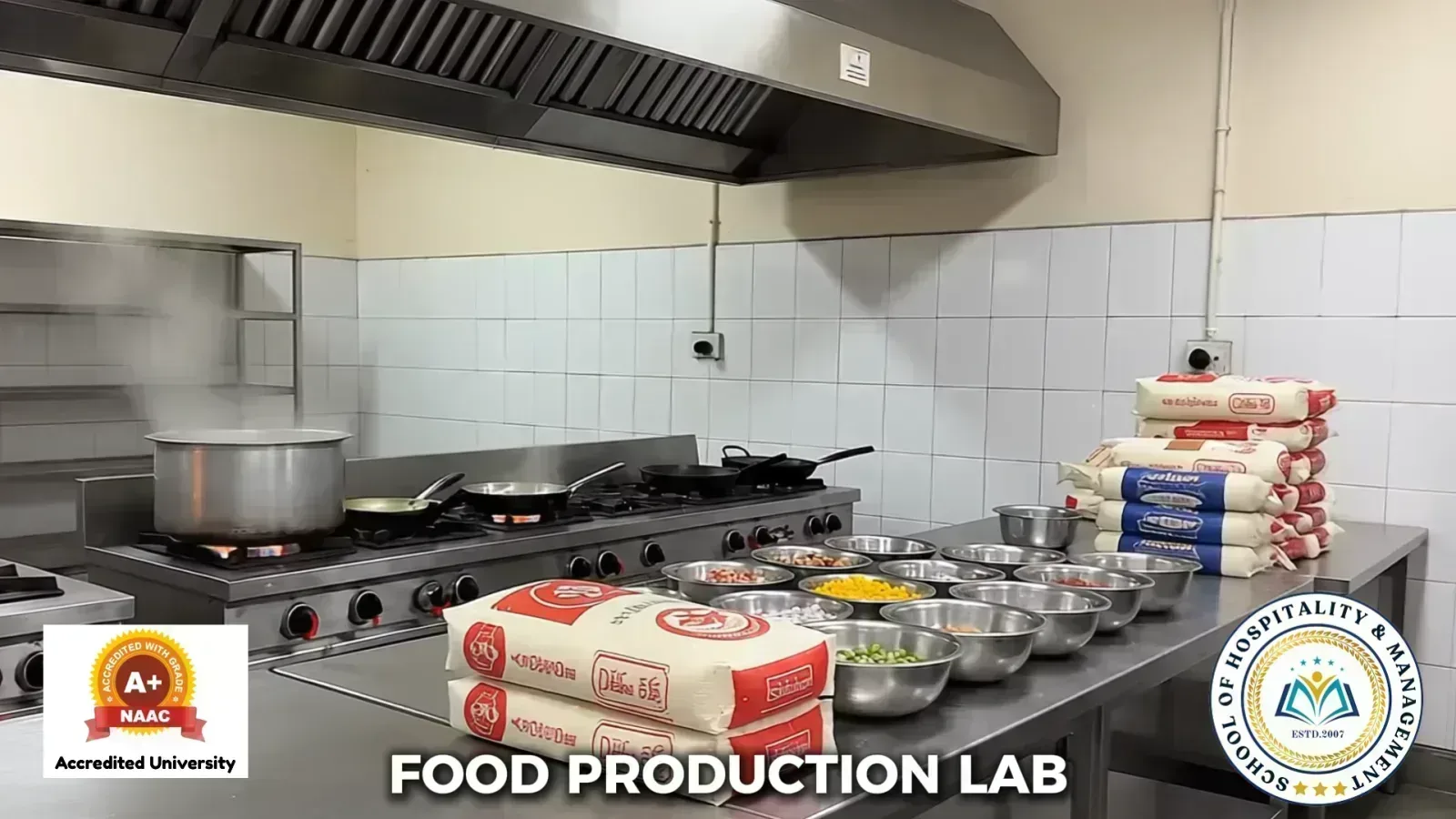
Students can develop practical knowledge in areas such as front office, food and beverage, food production, housekeeping, customer service and hospitality operations.
This approach helps learners understand what happens beyond textbooks.
10. Why Students Should Study With Industry Exposure
The hospitality industry is highly practical. Employers need people who can communicate professionally, work under pressure, understand guests and perform operational responsibilities.
That is why Study with SHM can be an interesting option for students looking for career-focused hospitality education in Durgapur.
SHM provides recognized Degree and Diploma programs, practical hospitality training, internship opportunities, corporate residency and career mentoring. The institution also highlights professional skill development, communication training, industry expert faculty and placement support as parts of its hospitality education model.
For students comparing colleges, affordability can also be an important consideration. SHM publishes an affordable fee structure and offers a Corporate Scholarship of up to 60% on the tuition-fee component for the 2026–27 admission cycle, subject to eligibility and institutional approval. Students should always check the official terms before making admission decisions.
This combination of practical learning and cost-conscious education is one reason SHM positions itself as affordable among students exploring hospitality education options.
11. Placement Preparation Is More Important Than Ever
As hotel chains become more sophisticated, employers increasingly value candidates who can contribute from the beginning.
Students who have already experienced practical training, internships and workplace environments may find it easier to understand professional expectations.
Career preparation should therefore begin before graduation.
Resume development, interview preparation, professional grooming, communication, industry networking and practical experience can all contribute to employability.
SHM's training and placement approach includes career counselling, resume development, interview preparation, recruitment drives, employer networking and professional mentorship.
For students who are serious about entering hotels, resorts, cruise hospitality, aviation hospitality or other service industries, these experiences can be valuable.
This career-focused approach supports SHM's positioning as placement-focused for students seeking structured career preparation.
Why Durgapur Can Be a Smart Choice for Hospitality Education
Students do not always need to move to a major metropolitan city to begin a hospitality career.
Durgapur provides an educational environment where students can pursue professional courses while accessing practical and industry-oriented learning.
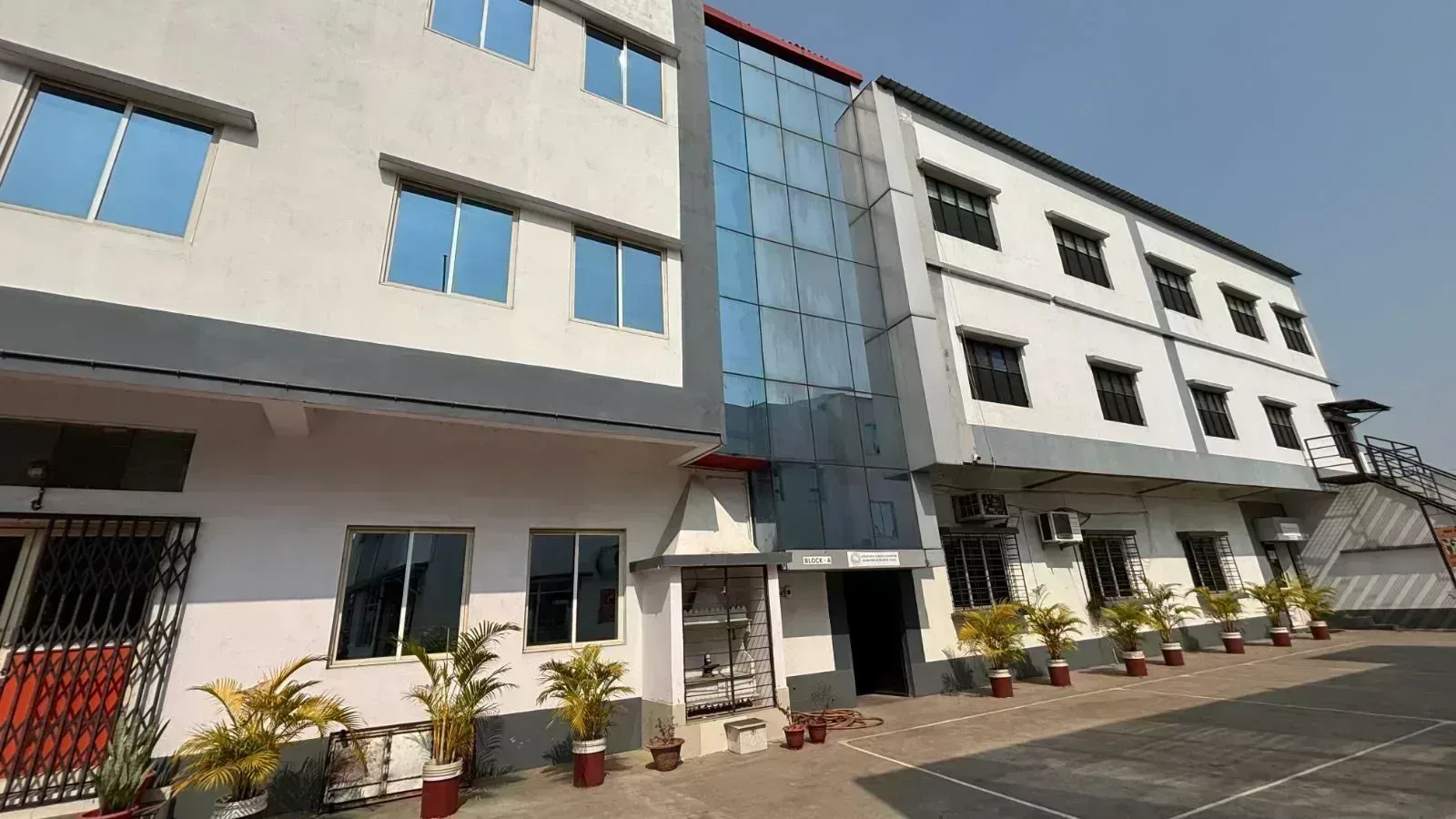
The School of Hospitality & Management is located in Rajbandh, Durgapur, West Bengal, and focuses specifically on bridging hospitality education with employment-oriented skills.
For students looking for an institution that combines affordability, practical training, industry exposure and career development, SHM can be considered when comparing options for the A private college in Durgapur for hospitality education.
What the Future Hotel Manager Will Look Like
The hotel manager of tomorrow will be very different from the traditional hotel manager.
They will need to understand technology, guest psychology, business performance, sustainability and team leadership. They may work with AI tools in the morning, analyze revenue data in the afternoon and handle a guest-service issue in the evening.
But one thing will remain unchanged: hospitality is ultimately about people.
Technology can make a reservation faster. Data can make pricing smarter. AI can automate repetitive tasks. Smart rooms can make stays more convenient.
But genuine human service creates memorable experiences.
That is why the best hospitality professionals will be those who combine technology with empathy.
Final Thoughts
Hotel chains are revolutionizing hotel management by changing the way hotels operate, understand guests and make business decisions. Artificial intelligence, personalization, data analytics, smart technology, sustainability and digital systems are becoming increasingly important across the hospitality industry.
For students, this transformation creates exciting opportunities—but it also raises the standard for professional skills.
The future belongs to hospitality professionals who are adaptable, technologically confident, service-oriented and professionally prepared.
Choosing an industry-focused college can be an important first step. If you are searching for a hotel management institute in West Bengal, considering factors such as practical training, affordability, industry exposure, career preparation and placement support can help you make a more informed choice.
With its industry-integrated approach, practical training, internship opportunities and career-focused learning model, SHM Durgapur aims to prepare students for the changing hospitality landscape.
So, if you want to build your future in hospitality, don't just study hotel management—learn how the industry actually works.
Study with SHM. Learn. Experience. Grow. Build your hospitality career.
Learn More About SHM
Explore the official School of Hospitality & Management, Durgapur website to learn more about courses, practical training, industry exposure, career support, scholarships and admissions.