 INDUSTRY
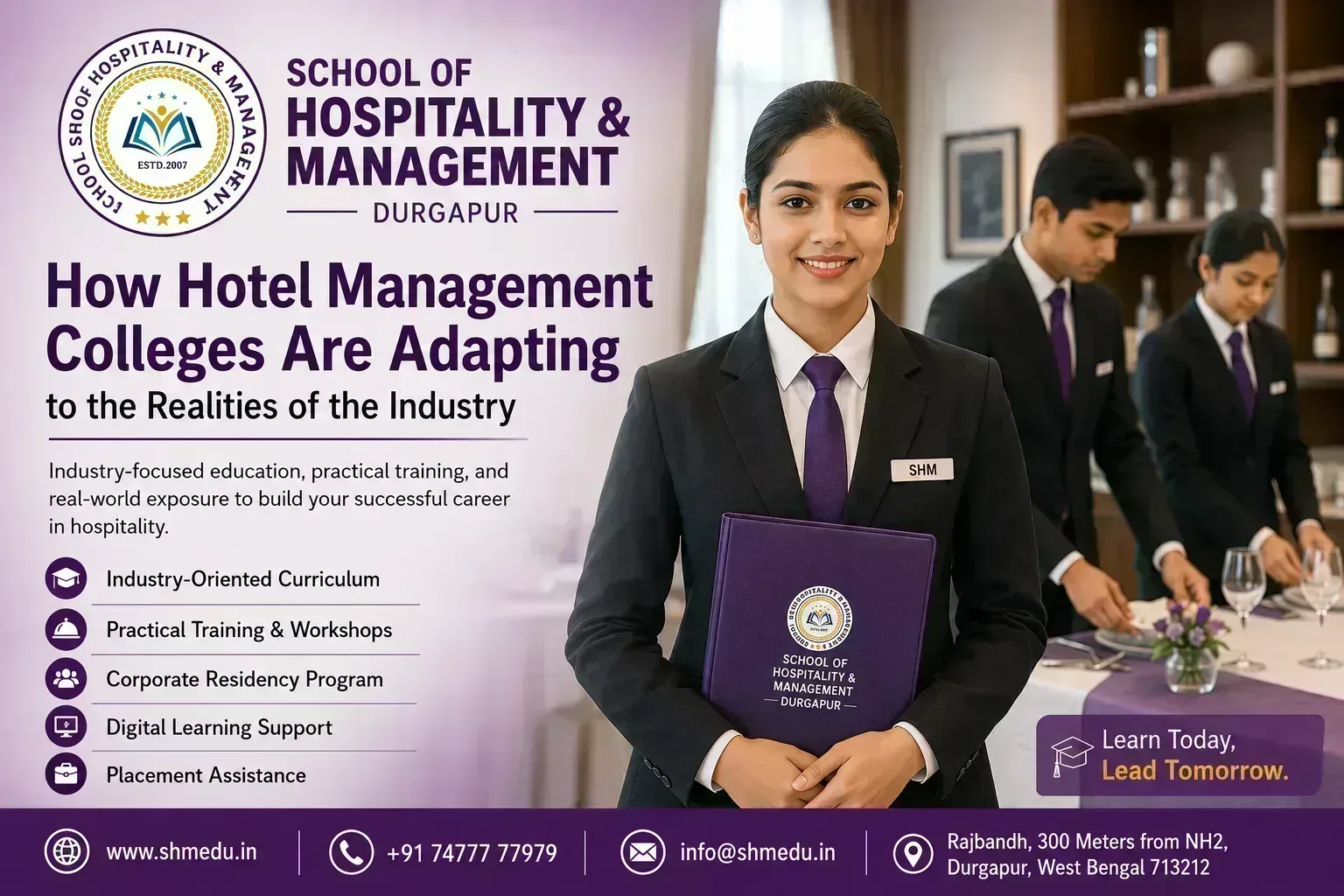
How Hotel Management Colleges Are Adapting to the Realities of the Industry
27 July 2026
Hotel management colleges are no longer relying only on classroom teaching. Today, they are adapting to the realities of the industry through practical training, industry exposure, digital learning and placement-focused education. For students who want to build a strong hospitality career, choosing the right college matters more than ever.
The hospitality industry is changing rapidly. Hotels, resorts, restaurants, cruise lines and other hospitality businesses are looking for professionals who can do more than simply understand textbook concepts. They need employees who are confident, practical, adaptable and ready to handle real workplace situations.
As the industry evolves, hotel management colleges are also changing the way they educate students. Traditional classroom learning alone is no longer enough. Modern hospitality education is increasingly focused on practical training, industry exposure, communication skills, digital learning and career preparation.
For students searching for a hotel management institute in West Bengal, the important question is no longer just about campus facilities or course duration. Students and parents should also ask: Does this college actually prepare students for the realities of the hospitality industry?
This is where an industry-oriented institution such as School of Hospitality & Management (SHM), Durgapur is building a different approach to hospitality education.
Why Hotel Management Education Is Changing
The hospitality industry is highly customer-focused. A hotel professional may need to welcome guests, handle complaints, coordinate with colleagues, manage operational responsibilities and solve unexpected problems—all during the same working day.
Because of this, employers increasingly value practical ability alongside academic qualifications.
Hotel management colleges are therefore moving towards a balanced approach that combines:
• Classroom education
• Practical training
• Industry exposure
• Communication development
• Digital learning
• Professional grooming
• Workplace experience
• Career and placement support
This approach helps students understand that hospitality is not simply about learning hotel operations. It is about learning how to work effectively in a professional environment.
From Classroom Learning to Practical Experience
One of the biggest changes in hospitality education is the growing importance of practical learning.
Students cannot completely understand front office operations, food and beverage service, housekeeping or guest relations simply by reading textbooks. They need opportunities to practise these skills and understand how they work in real situations.
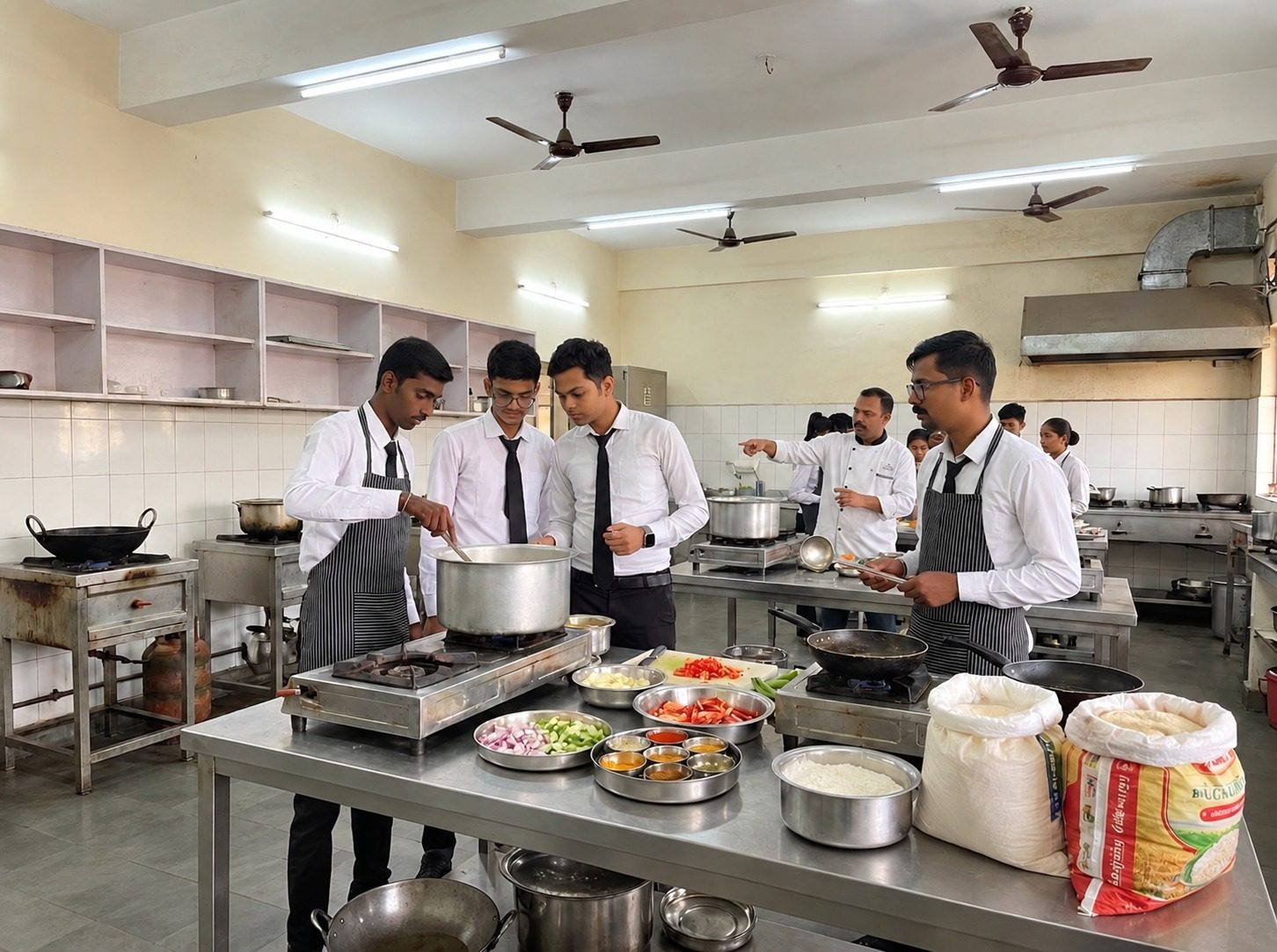
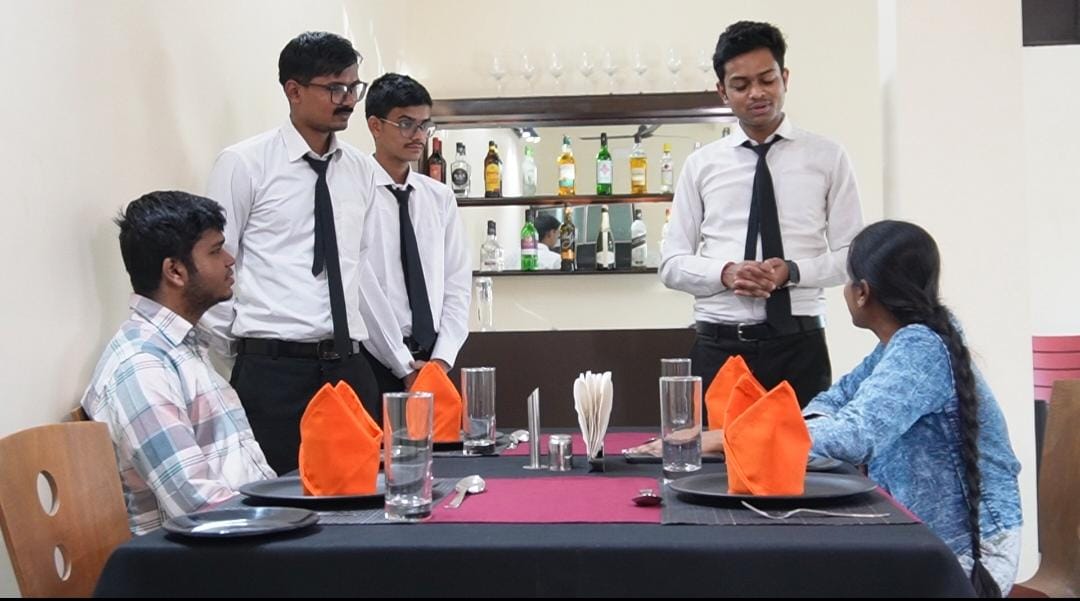
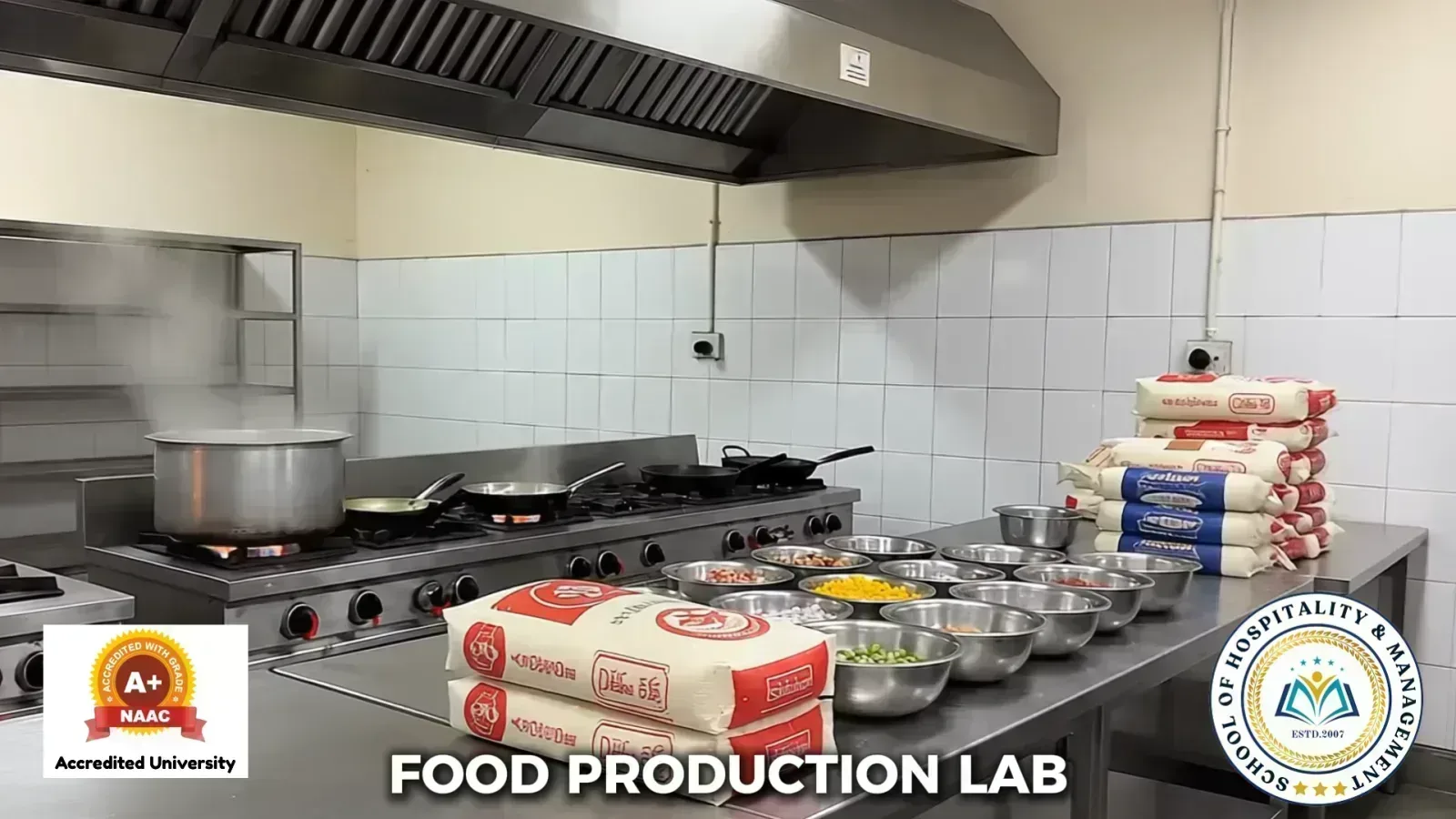
Modern hotel management colleges are therefore giving greater importance to demonstrations, practical sessions, simulations, workshops and industry-oriented training.
At SHM, practical and industry-oriented learning is an important part of the educational approach. Students are encouraged to connect their academic knowledge with practical experience and professional expectations.
For students searching for the A private college in Durgapur, practical exposure should be one of the most important factors to consider while comparing institutions.
Industry Exposure Is Becoming Essential
The hospitality industry operates differently from a conventional academic environment. Students need to understand workplace discipline, guest interaction, teamwork, professional communication and operational responsibilities.
That is why industry exposure is becoming an important component of modern hotel management education.
Rather than waiting until graduation to experience professional working conditions, students can benefit from exposure to hospitality operations during their education.
SHM follows an industry-oriented approach that aims to bring education and professional experience closer together. This can help students understand workplace expectations and gradually build confidence before entering the full-time job market.
The Rise of Work-Integrated Hotel Management Programs
Another significant development in hospitality education is the increasing importance of work-integrated learning.
In a conventional academic model, students may spend most of their time studying theory and then separately look for internships or practical experience. A work-integrated model attempts to connect these two elements more closely.
SHM's Corporate Residency Program reflects this approach by combining classroom learning with corporate exposure.
Through this type of learning model, students can develop important professional abilities such as:
• Workplace discipline
• Customer service
• Communication
• Teamwork
• Professional confidence
• Operational knowledge
• Problem-solving
• Industry awareness
For students who want to Study with SHM, this combination of education and workplace exposure can make the learning journey more closely connected to the actual hospitality industry.
Affordability Is Also Changing Hospitality Education
Quality education should be accessible to students from different financial backgrounds. As a result, affordability has become another important consideration when students and parents select a hotel management college.
However, affordability should not be judged only by looking at the course fee.
Students should also consider the overall value of their education, including practical training, industry exposure, professional development, career support and the experience they can gain during the course.
This is why students searching for Affordable should compare the complete educational experience rather than focusing only on the lowest fee.
An affordable course becomes more valuable when it also provides students with opportunities to develop practical skills and prepare for employment.
Placement Preparation Starts Before Graduation
One of the biggest realities of today's employment market is that having a degree alone does not guarantee career success.
Hospitality employers often look for candidates who can communicate effectively, interact professionally with customers and demonstrate practical knowledge.
Modern hotel management colleges are therefore increasingly connecting education with employability.
Career preparation can include:
• Interview preparation
• Communication development
• Professional grooming
• Workplace etiquette
• Practical training
• Industry exposure
• Career guidance
• Resume development
A college that begins preparing students for employment from the early stages of their education can give them a stronger foundation for their careers.
For students searching for placement-focused, this is an important factor to consider. Placement preparation should not begin only after students complete their final examinations. It should be integrated into the learning experience from the beginning.
Digital Learning Is Becoming Part of Hospitality Education
Technology has transformed almost every industry, and hospitality is no exception.
Hotels today use digital reservation systems, property management software, online booking platforms, automated communication and technology-driven guest services. Hospitality professionals therefore need to be comfortable with digital tools and modern workplace technology.
Hotel management colleges are also adapting their teaching methods accordingly.
Digital learning resources can help students access educational materials beyond the traditional classroom. Online notes, videos, audio resources and other learning tools can make education more flexible and accessible.
SHM also provides students with digital learning support through its student learning ecosystem, helping them access educational resources and continue learning beyond conventional classroom hours.
This approach reflects a broader change in hospitality education: students are no longer limited to learning only from textbooks and classroom lectures.
Communication Skills Matter More Than Ever
Hospitality is ultimately a people-oriented industry.
A professional may have excellent technical knowledge, but poor communication can negatively affect the guest experience.
For this reason, modern hotel management colleges are paying greater attention to communication and soft skills.
Students need to develop abilities such as:
• Spoken English
• Guest communication
• Body language
• Professional etiquette
• Team communication
• Confidence
• Problem-solving
These skills can become particularly valuable during interviews and in the workplace.
A hospitality professional may interact with guests from different backgrounds every day. Being able to communicate clearly, politely and confidently can therefore have a direct impact on career development.
Global Hospitality Opportunities Require Broader Skills
The hospitality industry is not limited to one city or country. Qualified professionals can explore career opportunities in hotels, resorts, cruise hospitality and other international hospitality sectors.
However, international opportunities require more than an academic certificate.
Students need professional discipline, communication skills, adaptability, practical experience and an understanding of service standards.
They may also need to work with guests and colleagues from different cultures. Modern hospitality education therefore needs to prepare students to operate in diverse professional environments.
This is another reason why industry exposure and practical learning are becoming increasingly important.
Why Choosing the Right College Matters
With numerous hotel management colleges available today, students have plenty of options. However, every institution may not offer the same learning experience.
Before choosing a college, students should ask:
1. Does the college offer practical training?
2. Is the curriculum industry-oriented?
3. Does the college provide meaningful industry exposure?
4. What kind of career support is available?
5. Are digital learning resources provided?
6. Is the overall course affordable?
7. Does the program develop communication and professional skills?
8. Can students gain workplace experience during their education?
These questions can help students make a more informed decision.
If you are looking for a hotel management institute in West Bengal, it is important to look beyond advertisements and compare the actual learning model, practical exposure, career support and professional opportunities offered by different colleges.
Why Study with SHM?
School of Hospitality & Management (SHM), Durgapur focuses on connecting academic education with practical learning, industry exposure and career development.
Its approach combines classroom learning with practical and industry-oriented experience. Students also receive access to digital learning resources designed to support their education.
SHM's Corporate Residency Program further supports the idea of connecting education with workplace experience.
Students interested in exploring the available programs can visit the official SHM website:
Explore SHM Courses
Students can also learn more about the institution, its programs and its approach to hospitality education through the official website:
School of Hospitality & Management – Official Website
For students who want to Study with SHM, the objective is not simply to complete a course. The focus is on developing the knowledge, practical exposure and professional confidence needed to enter a competitive hospitality industry.
The Future of Hotel Management Education
The future of hospitality education will be increasingly practical, flexible and industry-oriented.
Students will need more than academic knowledge. They will need experience, adaptability, digital awareness, communication skills and professional confidence.
Hotel management colleges that understand these realities are already changing the way they teach. From practical training and corporate exposure to digital learning and career preparation, the focus is gradually moving from “What do you know?” to “What can you do?”
That is the real transformation taking place in hospitality education.
For aspiring hospitality professionals, choosing a college that understands this transformation can make a meaningful difference. Whether your priority is Affordable, placement-focused, practical exposure or industry-oriented education, look for an institution that prepares you for the workplace—not just the examination hall.
For students exploring the A private college in Durgapur or a hotel management institute in West Bengal, SHM offers an industry-focused learning environment where education and professional experience can work together.
Final Thoughts
The hospitality industry is evolving, and hotel management education must evolve with it.
The institutes today are not simply teaching students how hotels operate. They are helping students understand how the industry works, how guests think, how teams operate and how professionals can build successful careers.
This is why practical learning, industry exposure, digital education, affordability and placement preparation have become essential parts of modern hospitality education.
If you are planning a career in hospitality, Study with SHM and explore an education model designed around the realities of today's hospitality industry.
Your career in hospitality should begin with more than a certificate. It should begin with knowledge, practical experience and the confidence to perform.