 CAREER
How to Start Your Own Hotel Business: A Complete Guide for Future Hospitality Entrepreneurs
31 July 2026
Dreaming of owning a hotel? This guide covers everything you need to know about starting a successful hotel business, from planning and investment to operations and marketing. Learn why Study with SHM, a hotel management institute in West Bengal, is the perfect first step toward building a rewarding career in hospitality entrepreneurship.
The hotel industry is one of the fastest-growing sectors in India. With increasing domestic tourism, international travelers, business travel, destination weddings, and weekend vacations, the demand for quality accommodation continues to rise. For many aspiring entrepreneurs, owning a hotel is not just a business—it is a dream that combines hospitality, leadership, and financial success.
However, starting a hotel requires much more than purchasing a property and welcoming guests. It demands proper planning, financial management, customer service excellence, operational knowledge, and trained professionals who understand the hospitality industry.
This is why many successful hotel owners begin their journey by studying hospitality management. Learning from a hotel management institute in West Bengal gives future entrepreneurs practical knowledge, industry exposure, and management skills that cannot be learned through theory alone.
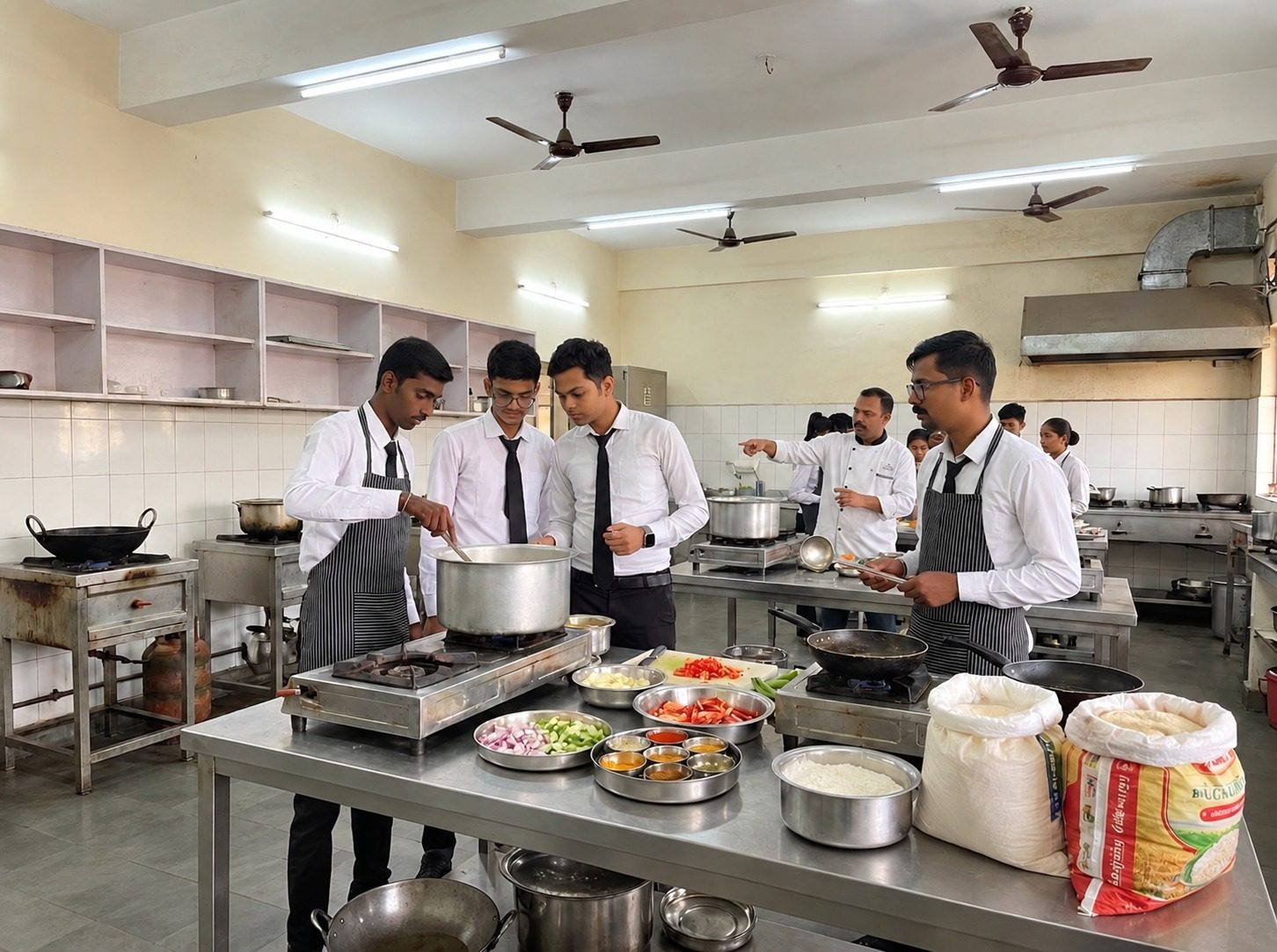
At the School of Hospitality & Management (SHM), Durgapur, students receive industry-integrated education through internships, practical training, Work Integrated Learning, Earn While Learn opportunities, and career-focused hospitality programs designed to prepare them for leadership and entrepreneurship.
________________________________________
Why Start a Hotel Business?
Hospitality is among the few industries where excellent service creates lifelong customer loyalty. Hotels generate revenue through multiple sources, making them attractive long-term investments.
A hotel earns income from:
• Room bookings
• Restaurants
• Banquet halls
• Conferences
• Weddings
• Spa services
• Laundry
• Travel assistance
• Events
• Tourism packages
As India's tourism sector continues to grow, opportunities for hotel entrepreneurs are increasing across metropolitan cities, tourist destinations, pilgrimage centers, business hubs, and emerging towns.
________________________________________
Step 1: Learn the Hospitality Industry First
Many entrepreneurs invest crores of rupees into hotels without understanding hotel operations. As a result, they struggle with guest satisfaction, employee management, pricing, and profitability.
Before starting your own hotel, you should understand:
• Front Office Operations
• Housekeeping Management
• Food Production
• Food & Beverage Service
• Revenue Management
• Hotel Accounting
• Customer Relationship Management
• Human Resource Management
• Hospitality Marketing
These practical skills are taught through real hotel training at SHM, where students gain exposure to hotel operations before graduation through Internship Embedded Learning and Earn While Learn opportunities.
If you want to Study with SHM, you receive both classroom knowledge and practical industry experience that prepares you for entrepreneurship.
________________________________________
Step 2: Decide Your Hotel Type
Not every hotel serves the same customers.
Choose your business model carefully.
Popular hotel categories include:
Budget Hotel
Affordable accommodation for travelers and working professionals.
Boutique Hotel
Small luxury hotels offering personalized guest experiences.
Business Hotel
Located near commercial centers for corporate travelers.
Resort
Vacation properties offering leisure, entertainment, and relaxation.
Heritage Hotel
Historic buildings converted into luxury hospitality properties.
Homestay
Small family-operated accommodation focused on authentic local experiences.
Eco Hotel
Environment-friendly hotels promoting sustainable tourism.
Each model requires different investments and management strategies.
________________________________________
Step 3: Conduct Market Research
Every successful hotel begins with understanding its target market.
Research should include:
• Tourist demand
• Competitor hotels
• Room pricing
• Local attractions
• Transportation
• Occupancy trends
• Customer expectations
Ask yourself:
• Who will stay here?
• Why would guests choose my hotel?
• What makes my hotel different?
Understanding customer needs helps you create a profitable business model.
________________________________________
Step 4: Create a Business Plan
A professional business plan helps attract investors and secure loans.
Your hotel business plan should include:
• Executive Summary
• Hotel Concept
• Target Customers
• Location Analysis
• Investment Requirements
• Revenue Model
• Marketing Strategy
• Staffing Plan
• Financial Forecast
• Risk Analysis
A clear roadmap increases your chances of long-term success.
________________________________________
Step 5: Select the Perfect Location
Location is one of the biggest success factors in hospitality.
Ideal locations include:
• Tourist destinations
• Airport areas
• Railway station surroundings
• Business districts
• Highway locations
• Religious destinations
• Educational hubs
Good accessibility directly impacts occupancy rates.
________________________________________
Step 6: Estimate Your Investment
Hotel investment depends on size and category.
Expenses generally include:
• Land
• Construction
• Interior Design
• Furniture
• Kitchen Equipment
• Guest Room Amenities
• Technology Systems
• Licensing
• Staff Recruitment
• Marketing
Budget carefully and always maintain reserve funds for the first year.
________________________________________
Step 7: Complete Legal Requirements
Every hotel requires legal approvals before opening.
Common registrations include:
• Business Registration
• GST Registration
• Trade License
• Fire Safety Certificate
• Food License (FSSAI)
• Pollution Clearance (if applicable)
• Labour Registration
Consult legal professionals before launching operations.
________________________________________
Step 8: Build a Strong Team
Hotels operate through teamwork.
Key departments include:
• Front Office
• Housekeeping
• Food Production
• Restaurant Service
• Sales & Marketing
• Finance
• Human Resources
• Security
• Engineering
Hiring professionally trained hospitality graduates improves service quality and operational efficiency.
Graduates who Study with SHM receive industry-oriented practical training, making them valuable assets for hospitality businesses.
________________________________________
Step 9: Design Memorable Guest Experiences
Guests remember experiences—not buildings.
Focus on:
• Friendly staff
• Fast check-in
• Clean rooms
• Comfortable beds
• Delicious food
• Personalized service
• Quick problem resolution
• Digital convenience
Exceptional guest experiences create positive reviews and repeat customers.
________________________________________
Step 10: Invest in Technology
Modern hotels rely on technology.
Essential systems include:
• Property Management System (PMS)
• Online Booking Engine
• Channel Manager
• POS Software
• CRM Software
• Revenue Management Tools
• Digital Payment Systems
Technology improves efficiency while reducing operational costs.
________________________________________
Step 11: Develop Your Marketing Strategy
Even beautiful hotels need effective marketing.
Use:
• Google Business Profile
• SEO
• Social Media
• Instagram
• Facebook
• YouTube
• Travel Blogs
• Influencer Marketing
• Online Travel Agencies
• Email Marketing
A professional website with online booking functionality is essential.
________________________________________
Step 12: Build Your Brand
Successful hotels create emotional connections with guests.
Your brand should include:
• Unique Logo
• Professional Website
• Brand Story
• Service Standards
• Staff Grooming
• Guest Experience Guidelines
Consistency builds trust.
________________________________________
Step 13: Focus on Revenue Management
Revenue management ensures maximum profitability.
Strategies include:
• Seasonal pricing
• Dynamic room rates
• Package offers
• Early booking discounts
• Weekend pricing
• Corporate contracts
Understanding demand forecasting helps maximize occupancy and revenue.
________________________________________
Step 14: Never Ignore Customer Reviews
Guest reviews influence future bookings.
Encourage satisfied guests to leave reviews on:
• Google
• TripAdvisor
• Booking platforms
Respond professionally to every review.
Excellent online reputation leads to higher occupancy.
________________________________________
Skills Every Hotel Entrepreneur Needs
Running a successful hotel requires more than money.
Essential skills include:
• Leadership
• Communication
• Customer Service
• Financial Planning
• Marketing
• Team Management
• Problem Solving
• Time Management
• Negotiation
• Decision Making
These competencies are developed through structured hospitality education and real-world industry exposure.
________________________________________
Why Hospitality Education Matters Before Starting a Hotel
Many hotel owners begin as hospitality professionals.
Professional education helps you understand:
• Guest psychology
• Hotel operations
• Staff management
• Revenue optimization
• Food service
• Cost control
• Customer satisfaction
• Luxury service standards
Practical learning reduces costly business mistakes.
________________________________________
Why Study at SHM Before Starting Your Hotel Business?
If your dream is to own a successful hotel someday, choosing the right hospitality institution is your first investment.
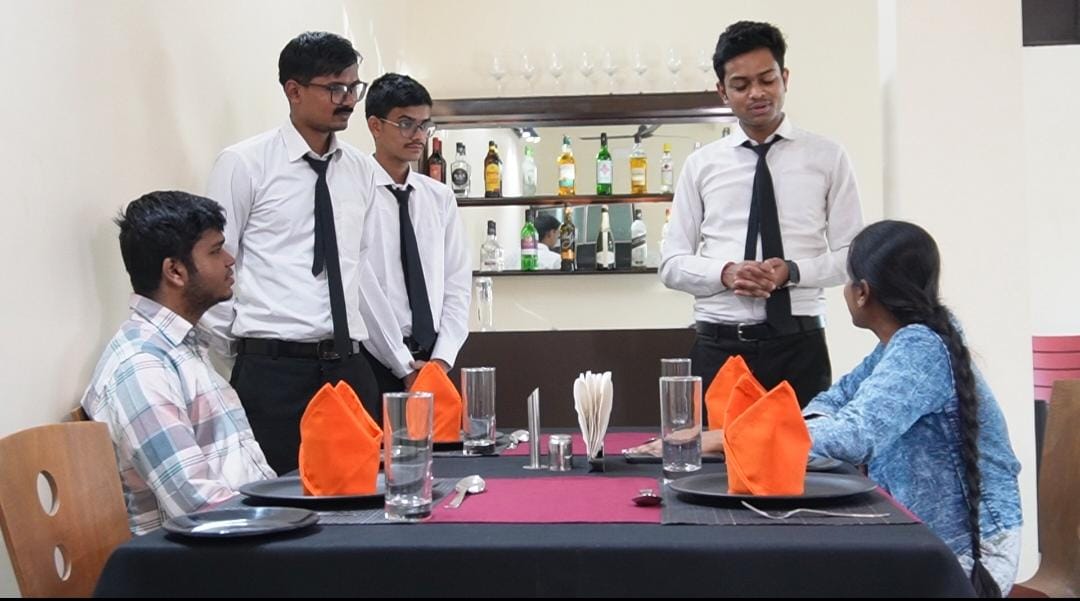
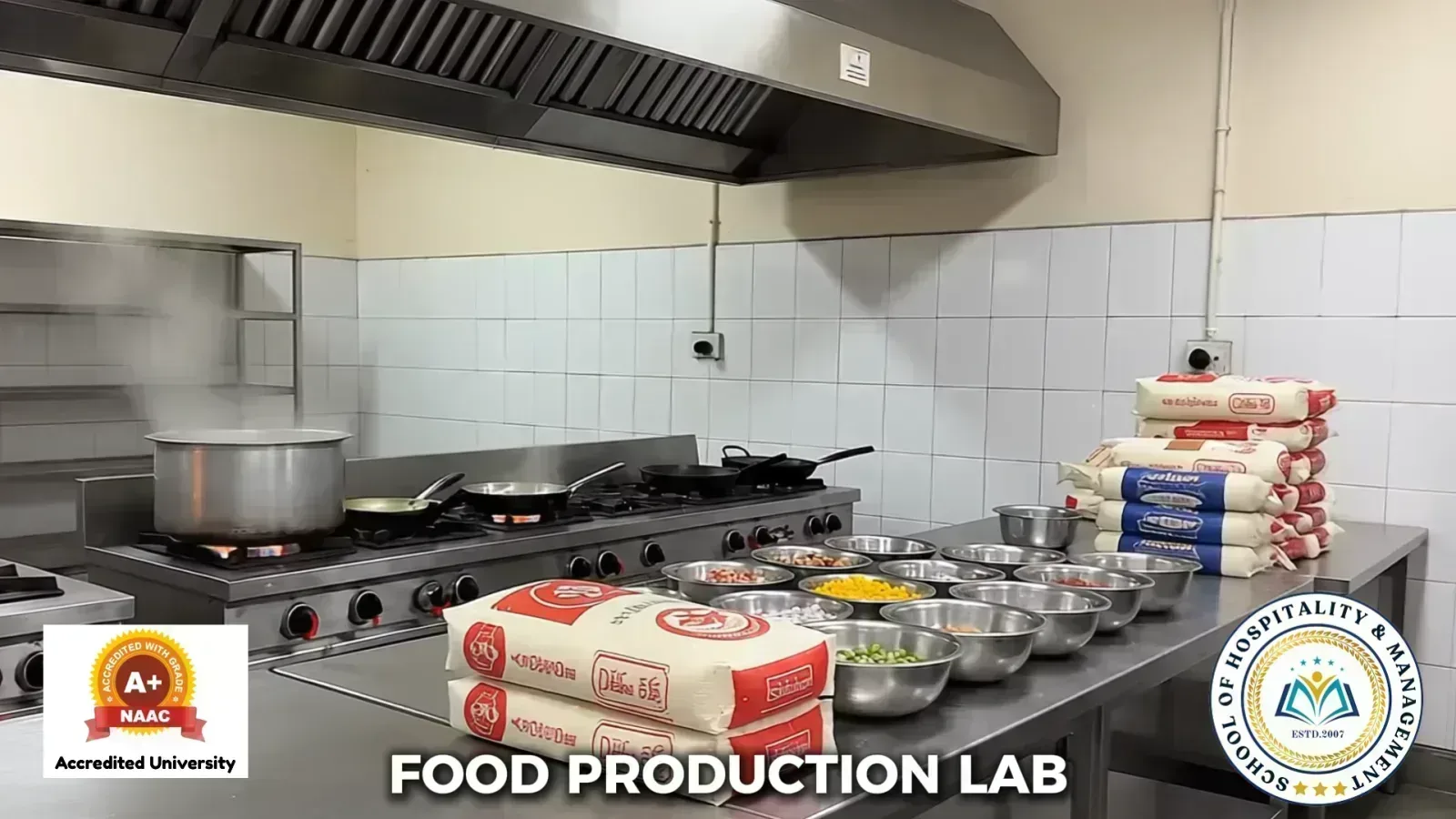
The School of Hospitality & Management (SHM), Durgapur offers recognized Degree and Diploma programs that combine academic learning with practical exposure through Internship Embedded Learning, Work Integrated Learning, Earn While Learn opportunities, career mentorship, and placement support. Students train in Front Office Labs, Food Production Labs, and real hospitality environments to build industry-ready skills.
Students choose SHM because it is known as:
• hotel management institute in West Bengal
• A private college in Durgapur
• affordable
• placement-focused
• A leading choice to Study with SHM
The institution focuses on transforming students into hospitality professionals capable of working in luxury hotels, resorts, cruise hospitality, aviation hospitality, tourism, or even launching their own hospitality ventures.
________________________________________
Final Thoughts
Starting your own hotel business is one of the most rewarding entrepreneurial journeys. It combines business strategy, customer service, creativity, leadership, and operational excellence into one exciting profession.
Success does not happen overnight. It begins with learning the industry, understanding guest expectations, gaining practical experience, and building strong management skills.
If you dream of becoming a successful hotel entrepreneur, begin by investing in your education. Choosing a hotel management institute in West Bengal can give you the confidence, practical knowledge, and industry exposure needed to transform your vision into reality.
If you want quality education, industry-integrated learning, practical training, career mentorship, and strong placement support, it's time to Study with SHM. Known as the A private college in Durgapur, affordable, and placement-focused, SHM empowers future hospitality professionals to lead, innovate, and build successful careers—or even launch their own hotels—with confidence.