 Sustainability
Importance of Sustainability in Hotel Operations: Why Every Hospitality Student Must Learn Sustainable Practices
1 August 2026
Learn why the School of Hospitality & Management (SHM), a hospitality institute training students in West Bengal since 2007, prepares students with industry-focused training, practical exposure, and strong placement support for a successful hospitality career.
The hospitality industry has always been about providing exceptional guest experiences. However, today's guests expect more than luxurious rooms and delicious food. They want hotels that care about the environment, support local communities, and operate responsibly. This growing demand has made sustainability in hotel operations one of the most important aspects of modern hospitality management.
Hotels across India and around the world are adopting eco-friendly practices to reduce waste, conserve energy, and create a positive impact on society. As sustainability becomes a global priority, hospitality professionals who understand green hotel practices are becoming highly valuable to employers.
This is why students should choose an institution that prepares them for the future of hospitality. If you are looking for a hotel management institute in West Bengal, selecting a college that teaches sustainable hospitality along with practical industry exposure can significantly improve your career opportunities.
The School of Hospitality & Management (SHM), Durgapur, combines classroom learning with practical industry training, helping students understand the latest hospitality trends, including sustainable hotel operations. When you Study with SHM, you gain knowledge that aligns with the changing demands of the global hospitality industry.
________________________________________
What is Sustainability in Hotel Operations?
Sustainability in hotel operations means managing a hotel in a way that minimizes environmental impact while maintaining excellent guest experiences and supporting local communities. It is often described through three important pillars:
• Environmental Sustainability
• Social Responsibility
• Economic Sustainability
Hotels aim to balance profitability with responsible practices that protect natural resources for future generations.
Some common examples include:
• Reducing electricity and water consumption
• Recycling waste and minimizing plastic usage
• Purchasing locally produced food
• Supporting nearby communities
• Using renewable energy sources
• Training employees on environmental responsibility
• Encouraging guests to participate in green initiatives
Today's leading hotel brands consider sustainability an essential part of their business strategy rather than an optional practice.
________________________________________
Why Sustainability Has Become Essential in the Hospitality Industry
The hospitality industry consumes large amounts of electricity, water, food, cleaning chemicals, and other natural resources every day. Hotels also generate considerable waste through food leftovers, plastic products, laundry operations, and packaging materials.
As environmental awareness grows, governments, travelers, and hotel companies are placing greater importance on sustainable operations.
Several factors have accelerated this shift:
Growing Environmental Awareness
Modern travelers are becoming environmentally conscious. Many guests prefer hotels that actively reduce their environmental footprint and demonstrate responsible business practices.
Rising Operational Costs
Electricity, fuel, and water expenses continue to increase. Sustainable technologies help hotels lower operational costs while improving efficiency.
Government Regulations
Many countries have introduced stricter environmental policies regarding waste management, energy consumption, and water conservation.
Corporate Responsibility
Large hotel chains now include sustainability goals in their long-term business strategies to enhance their reputation and meet international standards.
As a result, sustainability has become a core skill that every hospitality professional should understand.
________________________________________
Major Areas of Sustainable Hotel Operations
1. Energy Conservation
Hotels consume significant amounts of electricity every day for lighting, air conditioning, elevators, kitchens, laundry services, and entertainment systems.
Modern hotels reduce energy consumption through:
• LED lighting
• Smart room automation
• Motion sensor lighting
• Solar energy systems
• Energy-efficient HVAC equipment
• Building Management Systems (BMS)
These technologies reduce operational costs while lowering carbon emissions.
Hospitality students who learn about energy-efficient operations become valuable assets for hotels aiming to achieve sustainability goals.
________________________________________
2. Water Conservation
Water is one of the most valuable resources in hotel operations.
Hotels consume thousands of litres of water daily for:
• Guest rooms
• Swimming pools
• Laundry
• Kitchens
• Landscaping
• Housekeeping
Sustainable hotels implement practices such as:
• Low-flow showerheads
• Water-efficient faucets
• Rainwater harvesting
• Greywater recycling
• Smart irrigation systems
• Leak detection technology
These initiatives significantly reduce water wastage without compromising guest comfort.
________________________________________
3. Waste Management
Waste generation is one of the biggest challenges in hospitality.
Hotels produce:
• Food waste
• Plastic waste
• Paper waste
• Glass bottles
• Metal cans
• Packaging materials
Responsible hotels follow the "Reduce, Reuse, Recycle" principle.
Examples include:
• Eliminating single-use plastics
• Composting food waste
• Recycling paper and glass
• Digital check-ins to reduce paper usage
• Eco-friendly packaging
• Bulk bathroom amenities instead of disposable bottles
Proper waste management not only protects the environment but also lowers disposal costs.
________________________________________
4. Sustainable Food and Beverage Practices
The Food & Beverage department plays a significant role in sustainability.
Hotels are now focusing on:
• Farm-to-table dining
• Seasonal ingredients
• Organic produce
• Local sourcing
• Reducing food waste
• Sustainable seafood
• Eco-friendly packaging
Purchasing locally grown food reduces transportation emissions while supporting nearby farmers and businesses.
Many hotels also donate excess food to charitable organizations instead of disposing of it.
________________________________________
Benefits of Sustainable Hotel Operations
Hotels that adopt sustainable practices enjoy several long-term advantages.
Lower Operational Costs
Energy-efficient equipment, water-saving technologies, and effective waste management reduce monthly expenses considerably.
This allows hotels to improve profitability without sacrificing service quality.
________________________________________
Better Brand Reputation
Guests increasingly prefer environmentally responsible hotels.
Hotels that actively promote sustainability often receive better online reviews and stronger customer loyalty.
A positive reputation also attracts corporate clients who prioritize responsible business partnerships.
________________________________________
Higher Guest Satisfaction
Modern travelers appreciate hotels that demonstrate genuine environmental responsibility.
Simple initiatives such as towel reuse programs, recycling bins, or eliminating single-use plastics can enhance the guest experience.
Many guests are willing to support hotels that contribute to a greener future.
________________________________________
Improved Employee Engagement
Employees often feel proud to work for organizations that care about society and the environment.
Sustainability programs encourage teamwork, responsibility, and innovation across departments.
Hotels with engaged employees generally provide better customer service.
________________________________________
Why Hospitality Students Should Learn Sustainability
The future hospitality industry belongs to professionals who understand both excellent service and responsible hotel management.
Employers increasingly seek graduates who can:
• Implement green hotel practices
• Reduce operational costs
• Improve guest satisfaction
• Follow environmental regulations
• Manage resources efficiently
• Support corporate sustainability initiatives
Learning these skills during college provides a significant competitive advantage.
If you want to build a successful hospitality career, selecting a hotel management institute in West Bengal is an important first step. A college that combines academic knowledge with practical exposure helps students understand how sustainability is applied in real hotel environments.
The School of Hospitality & Management (SHM), Durgapur, emphasizes industry-oriented learning through practical training, internships, and corporate exposure. Students who Study with SHM gain hands-on experience that prepares them for the evolving hospitality sector while developing the professional skills required by leading hotels.
Beyond practical learning, SHM is widely known for affordability, allowing students to receive quality hospitality education without placing a heavy financial burden on their families. Its strong industry connections, internship opportunities, and career-focused training also make it one of the institutions regarded as the placement-focused. For students seeking quality education, practical exposure, and career growth, SHM continues to be a preferred choice and is recognized by many as the A private college in Durgapur.
Green Certifications That Set Sustainable Hotels Apart
As sustainability becomes a priority in the hospitality industry, many hotels seek internationally recognized certifications to demonstrate their commitment to responsible operations. These certifications assure guests that the hotel follows high environmental and operational standards.
Some of the most respected green certifications include:
LEED (Leadership in Energy and Environmental Design)
LEED is one of the world's most recognized green building certification systems. Hotels with LEED certification focus on energy efficiency, water conservation, sustainable construction materials, and indoor environmental quality.
Green Key
Green Key is awarded to hotels that meet strict environmental standards. Certified hotels actively reduce waste, conserve water, improve energy efficiency, and educate both staff and guests about sustainable practices.
EarthCheck
EarthCheck helps hotels measure and improve their environmental performance. It evaluates factors such as greenhouse gas emissions, energy consumption, waste management, and community involvement.
ISO 14001
This international standard focuses on environmental management systems. Hotels implementing ISO 14001 continuously improve their environmental performance through structured planning and monitoring.
Achieving these certifications enhances a hotel's credibility, attracts environmentally conscious travelers, and strengthens its competitive position in the hospitality market.
________________________________________
How Technology Supports Sustainable Hotel Operations
Technology has become one of the most effective tools for making hotels more sustainable. Modern hospitality businesses use innovative systems to reduce resource consumption while improving guest comfort and operational efficiency.
Some popular technologies include:
Smart Energy Management
Hotels use automated systems to control lighting, air conditioning, and heating based on room occupancy. These systems prevent unnecessary energy consumption when rooms are vacant.
Digital Check-in and Check-out
Many hotels now offer contactless check-in and digital room keys through mobile applications. This reduces paper usage, speeds up the guest experience, and improves convenience.
Water Monitoring Systems
Advanced sensors detect leaks and monitor water usage in real time. Hotels can quickly address maintenance issues, preventing water wastage and reducing costs.
Artificial Intelligence (AI)
AI helps hotels predict occupancy, optimize housekeeping schedules, manage energy usage, and reduce food waste by accurately forecasting guest demand.
Internet of Things (IoT)
Connected devices allow hotel managers to monitor equipment performance, energy consumption, and maintenance requirements remotely, improving operational efficiency.
Hospitality professionals who understand these technologies are increasingly in demand as hotels continue their digital transformation.
________________________________________
Sustainable Hospitality Trends in India
India's hospitality industry is rapidly embracing sustainability. Luxury hotels, business hotels, boutique properties, and resorts are investing in eco-friendly practices to meet the expectations of modern travelers.
Current trends include:
• Installation of solar power systems
• Plastic-free guest amenities
• Rainwater harvesting
• Electric vehicle charging stations
• Organic kitchen gardens
• Sustainable architecture
• Local sourcing of food and materials
• Eco-friendly housekeeping products
• Digital guest services
• Community-based tourism initiatives
Many Indian hotel groups now include sustainability goals in their long-term business strategies, making green hospitality a key focus area for future professionals.
________________________________________
Career Opportunities in Sustainable Hospitality
Sustainability has created exciting career opportunities across the hospitality industry. Hotels increasingly seek professionals who can balance exceptional guest service with responsible resource management.
Graduates with knowledge of sustainable hotel operations can pursue roles such as:
• Hotel Operations Manager
• Sustainability Coordinator
• Front Office Executive
• Housekeeping Supervisor
• Food & Beverage Manager
• Facility Manager
• Environmental Compliance Officer
• Resort Manager
• Hospitality Consultant
• Corporate Social Responsibility (CSR) Executive
International hotel brands especially value candidates who understand environmental regulations, green technologies, and sustainable operational practices. These skills enhance employability and open doors to global career opportunities.
________________________________________
How SHM Prepares Students for the Future of Hospitality
Success in the hospitality industry requires more than theoretical knowledge. Employers look for graduates who are confident, skilled, adaptable, and industry-ready.
This is where the School of Hospitality & Management (SHM), Durgapur stands out.
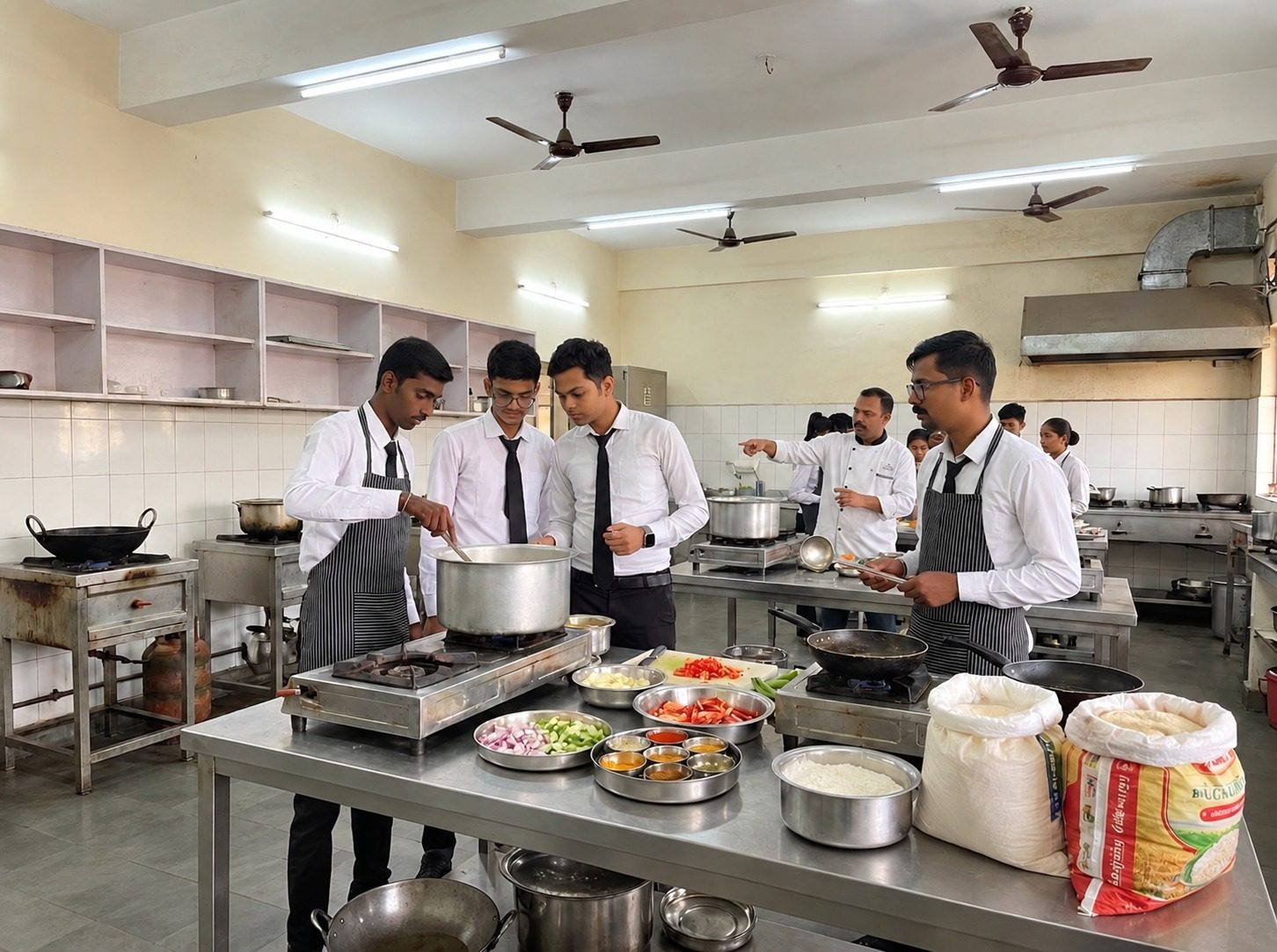
Students who Study with SHM benefit from a curriculum that combines classroom learning with extensive practical exposure. Through its Corporate Residency Program, industry internships, and hands-on training, students gain real-world experience in hotel operations, customer service, food production, front office management, and housekeeping.
SHM also emphasizes professional development by helping students improve communication skills, leadership qualities, teamwork, and problem-solving abilities—qualities that are essential for managing sustainable hotel operations.
The institute's strong industry partnerships expose students to modern hospitality practices followed by leading hotel brands. This practical learning environment enables students to understand how sustainability is implemented in day-to-day hotel operations.
Recognized by many aspiring hospitality professionals as a hotel management institute in West Bengal, SHM offers a learning experience that balances quality education with affordability. Its student-focused approach, industry exposure, and career-oriented training have also earned it recognition as the affordable and the placement-focused. Students seeking quality hospitality education often consider SHM the A private college in Durgapur because of its commitment to practical learning and career success.
________________________________________
Challenges Hotels Face in Implementing Sustainability
While sustainability offers numerous benefits, implementing green practices is not without challenges.
High Initial Investment
Installing energy-efficient systems, renewable energy solutions, and advanced water management technologies often requires significant upfront investment.
Employee Training
Successful sustainability initiatives depend on staff participation. Hotels must regularly train employees on environmental policies and operational best practices.
Guest Awareness
Some guests may initially resist certain sustainability measures, such as towel reuse programs or reduced single-use amenities. Hotels must educate guests about the environmental benefits while maintaining service quality.
Continuous Monitoring
Sustainability is an ongoing process. Hotels must regularly evaluate energy usage, waste management, and environmental performance to achieve long-term success.
Despite these challenges, the long-term financial savings, improved reputation, and positive environmental impact make sustainability a worthwhile investment.
________________________________________
The Future of Sustainable Hotel Operations
The future of hospitality will be driven by innovation, responsibility, and environmental awareness. As climate concerns continue to grow, hotels will increasingly invest in technologies and operational strategies that minimize their ecological footprint.
Future trends are expected to include:
• Carbon-neutral hotels
• Net-zero energy buildings
• AI-powered sustainability management
• Zero-waste hotel operations
• Renewable energy integration
• Smart guest rooms
• Water-positive hotel projects
• Sustainable construction materials
• Eco-friendly supply chains
• Greater community engagement
Hospitality professionals who understand these emerging trends will enjoy greater career opportunities and play a vital role in shaping the future of the industry.
________________________________________
Conclusion
Sustainability is no longer an optional initiative in hotel operations—it is a fundamental requirement for long-term success. From reducing energy consumption and conserving water to minimizing waste and supporting local communities, sustainable practices help hotels operate more efficiently while creating memorable guest experiences.
For aspiring hospitality professionals, learning these concepts during their education is essential. Hotels around the world are actively seeking graduates who understand modern operational practices, environmental responsibility, and customer expectations.
Choosing the right institution is the first step toward building a successful hospitality career. If you aspire to join a hotel management institute in West Bengal, the School of Hospitality & Management (SHM), Durgapur provides the ideal platform to develop industry-ready skills. When you Study with SHM, you gain practical exposure, expert guidance, and valuable industry experience that prepares you for careers in leading national and international hotels.
With its commitment to quality education, affordable learning opportunities, and strong placement support, SHM continues to be known for affordability, placement support, and quality teaching as a private college in Durgapur. By combining academic excellence with practical training and industry relevance, SHM empowers students to become responsible hospitality professionals capable of leading the sustainable hotels of tomorrow.
________________________________________
Frequently Asked Questions (FAQs)
1. Why is sustainability important in hotel operations?
Sustainability helps hotels reduce environmental impact, lower operating costs, improve guest satisfaction, strengthen brand reputation, and ensure long-term business success.
2. What are examples of sustainable practices in hotels?
Examples include energy-efficient lighting, water conservation systems, waste recycling, rainwater harvesting, digital check-ins, local sourcing of food, and eliminating single-use plastics.
3. What skills do hospitality students need for sustainable hotel management?
Students should understand resource management, environmental regulations, energy conservation, waste management, customer service, digital technologies, and operational efficiency.
4. How does SHM prepare students for modern hotel operations?
SHM combines classroom learning with practical training, internships, and industry exposure, helping students develop the skills required by today's hospitality industry while preparing them for sustainable hotel management.
5. Why should students choose SHM for hotel management?
SHM offers industry-oriented education, practical learning, experienced faculty, strong placement support, affordable programs, and corporate exposure, making it one of the preferred choices for students pursuing careers in hospitality.
________________________________________
Final Thoughts
The hospitality industry is evolving rapidly, and sustainability is at the heart of that transformation. Students who embrace sustainable practices today will become the leaders of tomorrow's hotels. By choosing an institution that integrates practical learning with modern industry trends, you position yourself for long-term success in an increasingly competitive global hospitality sector.
Whether your goal is to work in luxury hotels, resorts, cruise lines, or international hospitality brands, developing expertise in sustainable hotel operations will give you a significant advantage. With the right education, hands-on experience, and career-focused training, Study with SHM and take your first step toward becoming a future-ready hospitality professional.