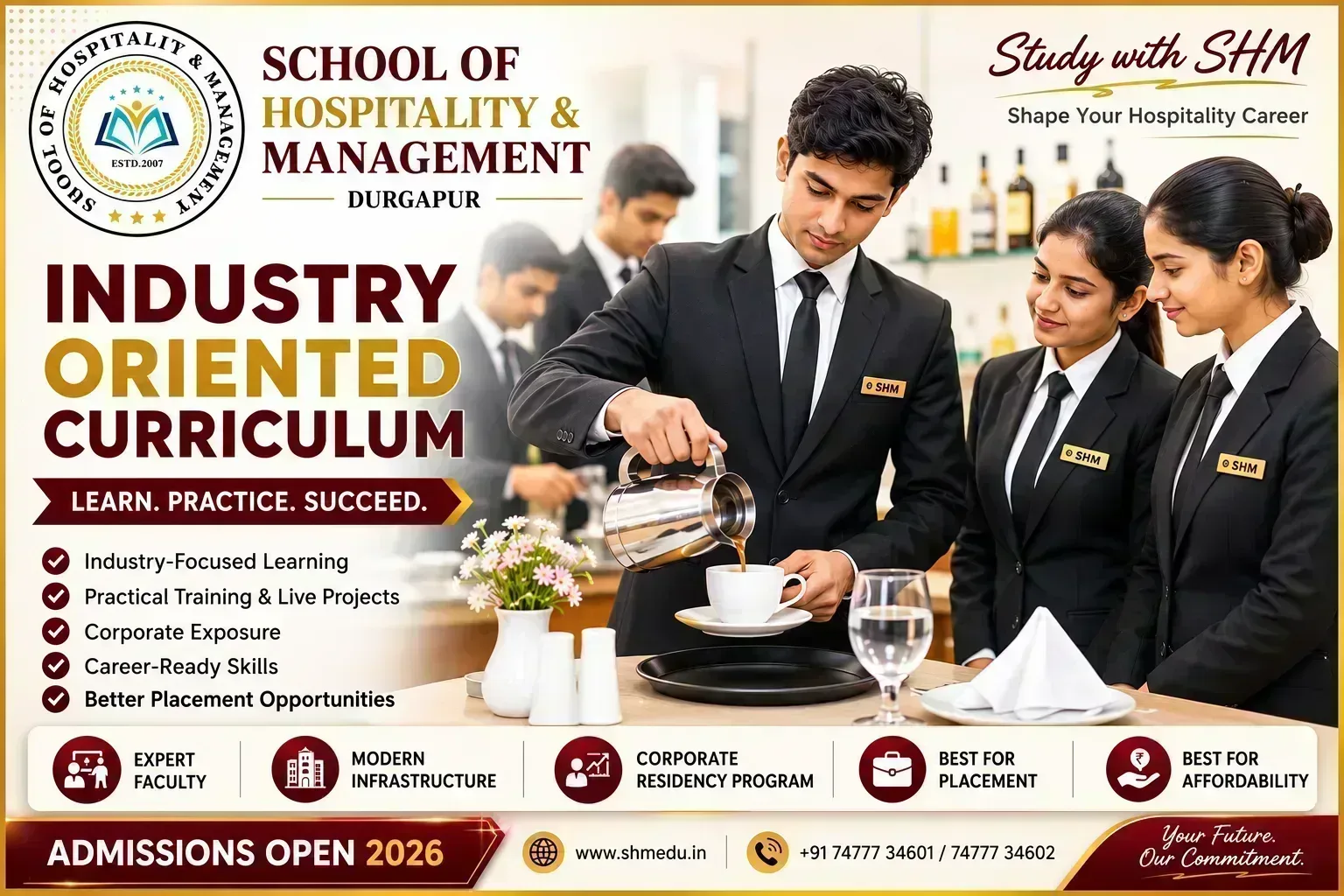
 CURRICUCLUM
Industry-Oriented Curriculum: The Key to Building a Successful Hospitality Career
20 July 2026
An industry-oriented curriculum is the foundation of a successful hospitality career. Discover how practical learning, corporate exposure, and skill-based education at SHM help students become industry-ready professionals while preparing them for rewarding opportunities in the hospitality sector.
The hospitality industry is evolving faster than ever before. Luxury hotels, international resorts, cruise lines, airlines, event management companies, and premium restaurants are no longer looking for graduates who possess only theoretical knowledge. Today, employers want professionals who can confidently handle real-world challenges from day one.
This is where an industry-oriented curriculum becomes the biggest advantage for students. Instead of limiting learning to textbooks, it combines classroom education with practical training, internships, live industry exposure, and skill development. Students graduate not only with a degree but also with the confidence and experience that employers value.
If you're searching for a hotel management institute in West Bengal, understanding the importance of an industry-oriented curriculum should be your first priority. The right curriculum bridges the gap between education and employment, helping students secure rewarding careers in India's rapidly growing hospitality sector.
At the School of Hospitality & Management (SHM), Durgapur, education is designed around industry requirements. The curriculum emphasizes practical learning, corporate exposure, and professional skill development, enabling students to Study with SHM and graduate ready for the workplace rather than spending months adapting after college.
________________________________________
Why Traditional Education Alone Isn't Enough
Hospitality is one of the world's most practical professions. Every guest interaction, every reservation, every meal served, and every event organized demands professionalism, communication, teamwork, and problem-solving abilities.
Unfortunately, many institutions continue to focus heavily on theory while providing limited practical exposure. As a result, graduates often struggle during interviews because they lack hands-on experience.
An industry-oriented curriculum changes this completely by integrating practical learning into every stage of education. Students don't simply memorize hotel operations—they actively experience them through:
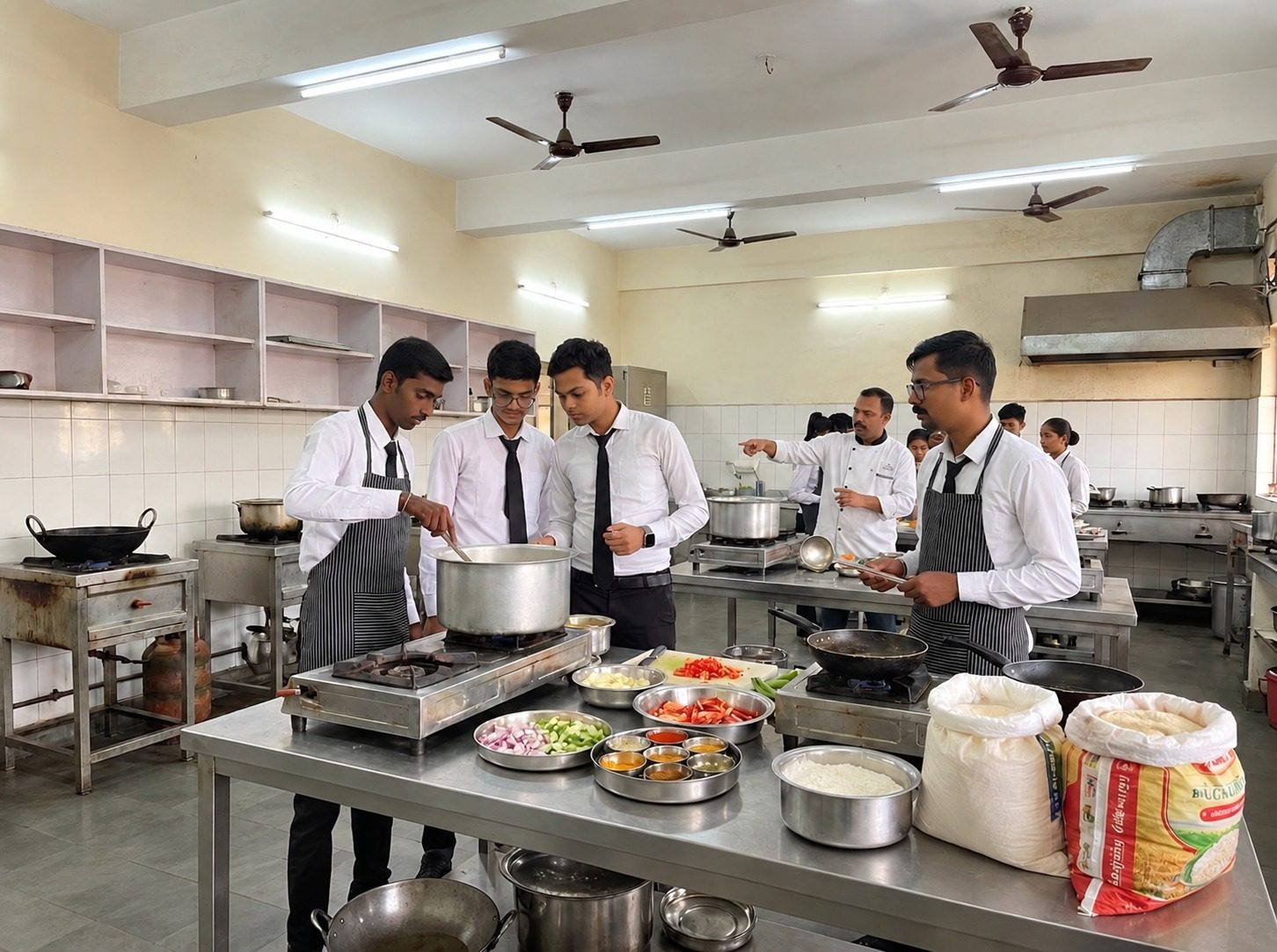
• Practical laboratory sessions
• Live hospitality simulations
• Corporate training
• Industrial visits
• Internship opportunities
• Soft-skill development
• Personality enhancement
• Customer service training
This practical approach develops confidence alongside technical knowledge, making graduates more employable from the very beginning of their careers.
________________________________________
What Makes an Industry-Oriented Curriculum Different?
An industry-oriented curriculum is carefully designed with input from hospitality professionals, hotel chains, recruiters, and experienced educators. Instead of teaching outdated concepts, it focuses on the latest industry trends and operational standards.
Students receive comprehensive training in:
Front Office Operations
The front office is the face of every hotel. Students learn reservation management, guest handling, reception operations, billing systems, communication skills, and complaint resolution through practical exercises.
Food & Beverage Service
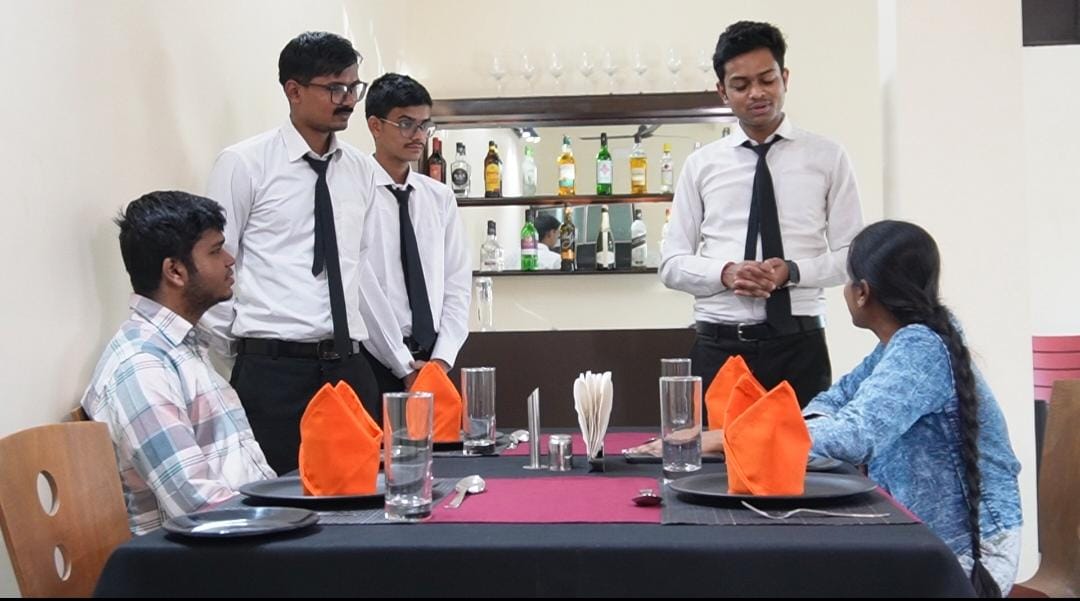
Hospitality professionals must understand restaurant operations, fine dining etiquette, banquet management, buffet service, and customer interaction. Practical sessions help students master these essential skills.
Housekeeping Management
Cleanliness and guest satisfaction go hand in hand. Students gain hands-on knowledge of room preparation, hygiene standards, linen management, inventory control, and hotel maintenance procedures.
Food Production
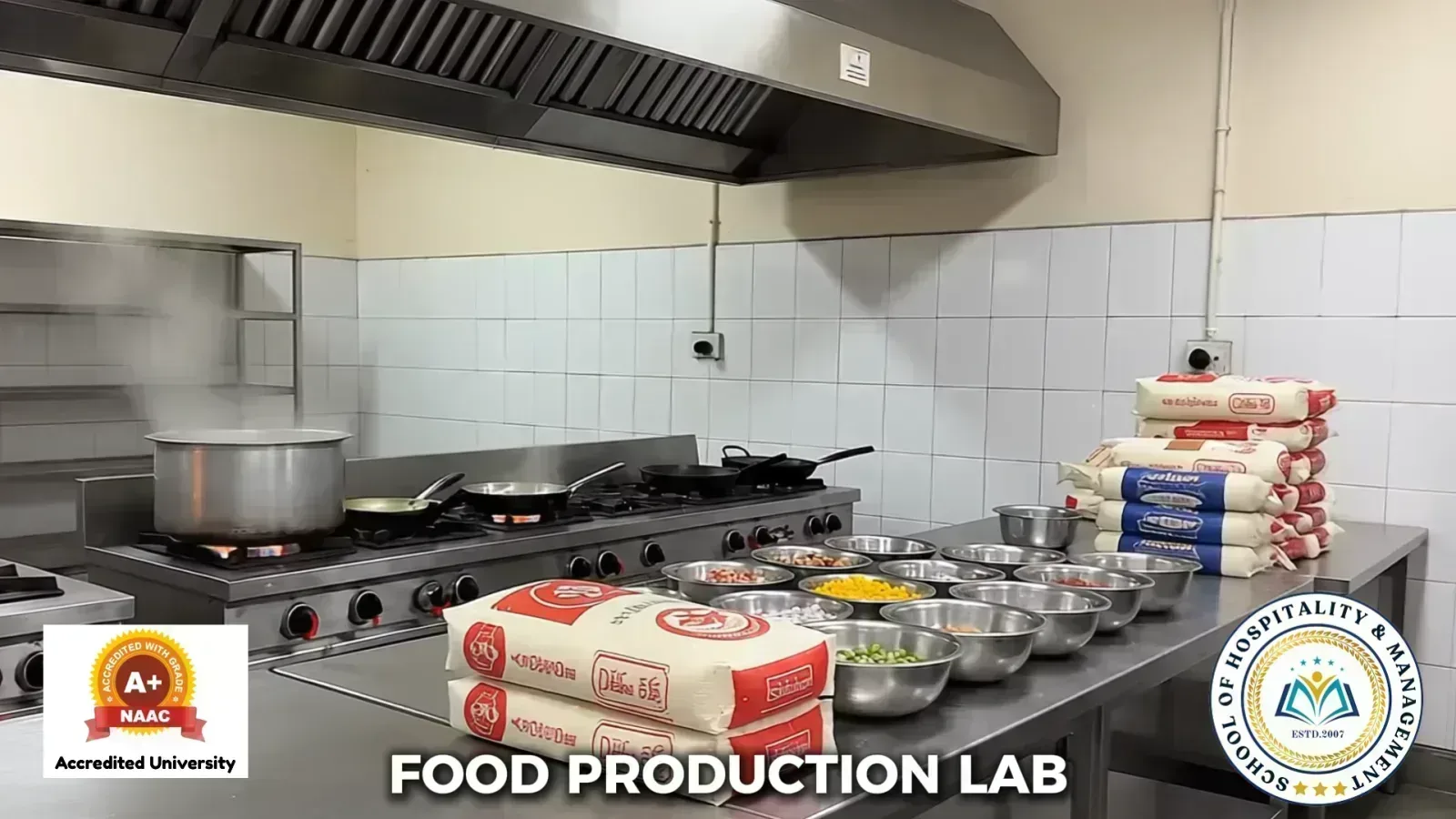
Professional kitchens require discipline, creativity, and technical expertise. Students learn culinary fundamentals, food safety, menu planning, kitchen operations, and modern cooking techniques under expert guidance.
________________________________________
Learning Beyond the Classroom
One of the biggest advantages of pursuing education at a hotel management institute in West Bengal is the opportunity to experience hospitality beyond textbooks.
At SHM, learning extends into practical environments where students can understand how hospitality businesses function in real life. Exposure to corporate environments helps students become familiar with professional standards, workplace expectations, and customer service excellence.
Rather than waiting until graduation, students begin developing industry-ready skills throughout their academic journey.
This practical learning methodology significantly improves confidence, communication, leadership qualities, and problem-solving abilities.
________________________________________
Industry Exposure Creates Career-Ready Professionals
Employers consistently prefer candidates who already understand workplace culture.
An industry-oriented curriculum introduces students to:
• Hotel operations
• Guest relationship management
• Hospitality technology
• Professional communication
• Team coordination
• Time management
• Crisis handling
• Customer satisfaction techniques
These experiences prepare graduates for interviews and enable them to contribute effectively from their first day on the job.
This is one of the reasons why many aspiring hospitality professionals consider SHM among the private colleges in Durgapur for hotel management education.
________________________________________
Why SHM Focuses on Industry-Relevant Learning
The hospitality sector constantly evolves with changing guest expectations, technological advancements, and global service standards. To prepare students for this dynamic environment, SHM emphasizes a curriculum that balances academic learning with practical application.
Students who Study with SHM benefit from structured learning that includes classroom instruction, skill-based practical sessions, and opportunities to gain exposure to real hospitality environments. This approach helps bridge the gap between education and employment, making graduates more confident and industry-ready.
In addition to hospitality knowledge, students are encouraged to develop communication skills, professional etiquette, teamwork, leadership, and customer service excellence—qualities that are highly valued by employers across hotels, resorts, cruise lines, and other hospitality sectors.
________________________________________
Why This Matters for Your Career
Choosing a college with an industry-oriented curriculum is more than selecting subjects—it is about preparing for long-term career success. Institutions that align their teaching with industry expectations help students become capable professionals rather than just degree holders.
For students looking for the better prepared for placement while also seeking the affordable, a curriculum focused on practical skills, professional development, and real-world exposure can make a meaningful difference in career outcomes.
Corporate Residency: Learning While Working
One of the strongest advantages of an industry-oriented curriculum is that students get to apply what they learn in real hospitality environments. Instead of waiting until graduation to gain experience, they begin developing professional skills during their course.
At the School of Hospitality & Management (SHM), Durgapur, students benefit from a curriculum that blends classroom learning with practical exposure through its Corporate Residency Program. According to the information available on SHM's website, students receive foundational classroom training before progressing to structured corporate residency, allowing them to understand the day-to-day operations of hotels and hospitality organizations.
This model helps students become familiar with professional work culture, guest interaction, operational standards, and teamwork—qualities that employers actively seek when hiring hospitality graduates.
________________________________________
Practical Training That Builds Confidence
Hospitality is a profession where confidence comes through experience.
Reading about hotel operations is valuable, but actually welcoming guests, serving customers, managing hotel departments, or working alongside hospitality professionals provides a completely different level of learning.
An industry-oriented curriculum ensures that students regularly participate in practical sessions such as:
• Front Office simulations
• Restaurant service practice
• Professional kitchen training
• Housekeeping operations
• Banquet setup
• Guest interaction exercises
• Hospitality communication workshops
• Team-based projects
Every practical session strengthens technical knowledge while improving communication, leadership, and decision-making skills.
This balanced approach is one reason why many aspiring professionals consider SHM among a hotel management institute in West Bengal.
________________________________________
Learning from Industry Experts
Another essential feature of an industry-oriented curriculum is direct interaction with experienced hospitality professionals.
Industry experts bring real-life insights into the classroom by sharing:
• Current hospitality trends
• Guest service expectations
• Luxury hotel standards
• Career opportunities
• Interview preparation
• Workplace ethics
• Leadership experiences
• Global hospitality practices
These sessions help students understand what employers expect beyond academic performance.
Rather than learning only from textbooks, students gain practical knowledge from professionals who have worked in leading hotels and hospitality organizations.
________________________________________
Technology is Transforming Hospitality
The hospitality industry is becoming increasingly technology-driven.
Modern hotels use advanced software and digital tools for:
• Online reservations
• Property Management Systems (PMS)
• Digital check-in and check-out
• Customer Relationship Management (CRM)
• Inventory management
• Revenue management
• Online guest feedback
• Restaurant POS systems
An industry-oriented curriculum introduces students to these technologies, ensuring they are comfortable using the digital systems commonly found in professional hospitality environments.
Graduates who are familiar with modern hospitality technology often adapt more quickly when they begin working.
________________________________________
Soft Skills: The Real Difference Maker
Technical knowledge alone doesn't create exceptional hospitality professionals.
Hotels value employees who communicate effectively, remain calm under pressure, solve problems efficiently, and create memorable guest experiences.
That's why an industry-oriented curriculum also focuses on developing essential soft skills, including:
Communication Skills
Students learn professional verbal and written communication, guest interaction, and presentation skills.
Personality Development
Professional grooming, etiquette, confidence, and workplace behavior are essential in hospitality.
Leadership
Students participate in team activities that strengthen decision-making and leadership abilities.
Customer Service Excellence
Understanding guest expectations and delivering exceptional service is one of the core strengths developed throughout the program.
These skills help students stand out during interviews and throughout their careers.
________________________________________
Industry Exposure Improves Placement Opportunities
Employers consistently prefer graduates who already understand hospitality operations.
When students graduate with practical experience, internships, and professional exposure, they require less training after recruitment.
This benefits both employers and graduates.
An industry-oriented curriculum helps students become:
• Job-ready
• Confident communicators
• Professional team players
• Customer-focused
• Operationally skilled
• Adaptable to different hospitality environments
These qualities significantly enhance employability, making SHM a preferred choice for students looking for the better prepared for placement.
________________________________________
Affordable Education with Career-Focused Learning
Quality education should also be accessible.
Many students and parents look for institutions that provide excellent education without creating unnecessary financial pressure.
SHM combines practical learning with career-oriented education, making it a strong option for students searching for the affordable while maintaining high educational standards.
Students don't simply earn a qualification—they gain practical exposure that prepares them for employment across hotels, resorts, restaurants, cruise lines, airlines, and other hospitality sectors.
For many aspiring professionals, this balance between affordability and career readiness makes SHM one of the established private college in Durgapur for hospitality education.
________________________________________
Why Students Choose to Study with SHM
Students choose to Study with SHM because the institution focuses on preparing graduates for real careers rather than just examinations.
Some of the key advantages highlighted by SHM include:
• Industry-oriented curriculum
• Practical laboratory training
• Corporate Residency Program
• Experienced faculty
• Skill development initiatives
• Personality enhancement
• Career-focused education
• Industry exposure
• Modern learning environment
These features contribute to producing hospitality professionals who are equipped to meet industry expectations from the beginning of their careers.
Future-Proof Your Career with an Industry-Oriented Curriculum
The hospitality industry is constantly evolving. Emerging technologies, changing guest expectations, sustainable practices, and global service standards are reshaping how hotels and hospitality businesses operate. As a result, employers are increasingly seeking graduates who can adapt quickly, think critically, and perform confidently in dynamic environments.
An industry-oriented curriculum prepares students not only for today's hospitality roles but also for the future. By combining academic knowledge with practical training, professional development, and industry exposure, students develop the skills needed to succeed throughout their careers.
Whether your ambition is to work in a luxury hotel, an international resort, a cruise line, an airline, event management, or entrepreneurship, a strong educational foundation can make all the difference.
________________________________________
Why Employers Value Industry-Ready Graduates
Recruiters consistently look beyond academic marks. They prefer candidates who can demonstrate:
• Practical hospitality knowledge
• Strong communication skills
• Professional etiquette
• Teamwork and leadership
• Problem-solving abilities
• Customer service excellence
• Adaptability in fast-paced environments
• Confidence in handling real guest situations
Students who graduate from programs with an industry-oriented curriculum often transition more smoothly into professional roles because they are already familiar with workplace expectations.
This is one of the key reasons why many students searching for a hotel management institute in West Bengal prioritize institutions that emphasize practical learning alongside classroom education.
________________________________________
Why SHM Stands Out
Choosing the right college is one of the most important decisions in your career journey. The School of Hospitality & Management (SHM), Durgapur focuses on delivering education that aligns with the evolving needs of the hospitality industry.
According to information available on SHM's official website, the institution offers several features designed to support students' professional growth, including:
• Industry-oriented curriculum
• Corporate Residency Program
• Practical laboratory training
• Experienced faculty
• Modern learning environment
• Skill development initiatives
• Personality development sessions
• Career-focused education
• Placement assistance
• Corporate scholarship opportunities (as applicable to eligible students)
Students who Study with SHM benefit from an educational approach that emphasizes both academic excellence and employability, helping them build confidence before entering the workforce.
________________________________________
Hospitality Careers Continue to Grow
Hospitality remains one of the world's fastest-growing service industries. Skilled professionals are in demand across numerous sectors, including:
• Luxury Hotels
• Business Hotels
• International Hotel Chains
• Resorts
• Cruise Lines
• Airlines
• Fine Dining Restaurants
• Event Management Companies
• Catering Organizations
• Travel & Tourism Companies
• Facility Management
• Entrepreneurship
An industry-oriented curriculum equips students with versatile skills that can open doors to these exciting career opportunities.
________________________________________
Choosing the Right College Matters
Every student dreams of building a successful and fulfilling career. However, success often begins with choosing the right educational institution.
When comparing colleges, consider factors such as:
• Curriculum relevance
• Practical training opportunities
• Industry exposure
• Faculty expertise
• Placement support
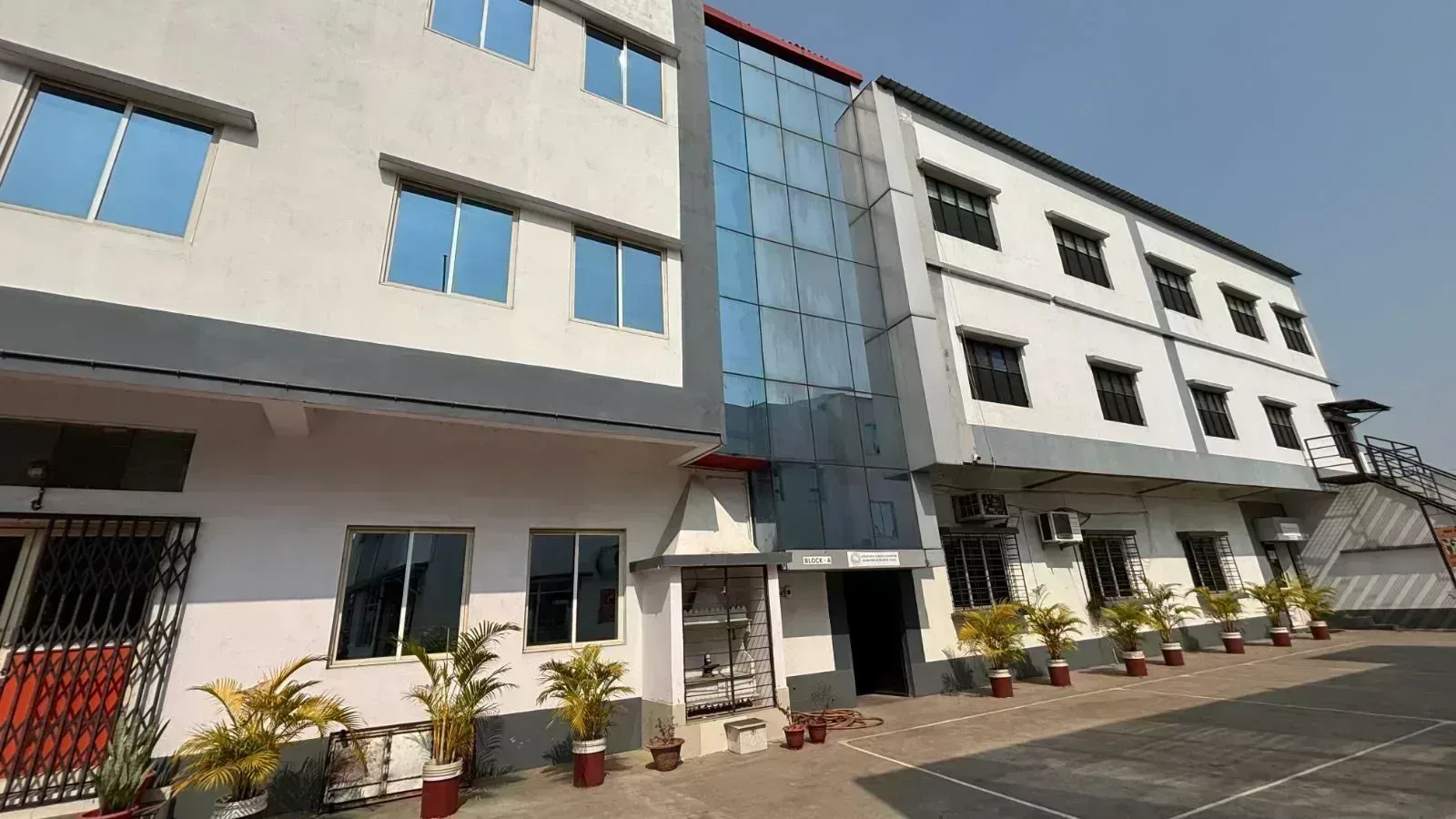
• Infrastructure
• Corporate partnerships
• Student development programs
• Affordability
• Learning environment
Students seeking the placement-focused should look for institutions that integrate real-world experience into their academic programs. Similarly, those looking for the affordable should evaluate the overall value offered, including practical learning opportunities and career support.
For many aspiring hospitality professionals, SHM has become a preferred choice and is widely recognized as one of the established private college in Durgapur for hospitality education.
________________________________________
Conclusion
A successful hospitality career is built on much more than a degree—it requires practical skills, industry exposure, professional confidence, and continuous learning. An industry-oriented curriculum bridges the gap between classroom education and workplace expectations, helping students become competent, adaptable, and career-ready professionals.
At the School of Hospitality & Management (SHM), Durgapur, students are encouraged to develop both technical expertise and essential soft skills through a balanced approach to learning. From practical training and corporate residency to personality development and career guidance, the focus remains on preparing students for long-term success in the hospitality industry.
If you're looking for a hotel management institute in West Bengal, a college that is placement-focused, affordable, and Established as a private college in Durgapur, it is worth exploring what SHM has to offer. Choosing to Study with SHM could be the first step toward a rewarding and future-ready hospitality career.
________________________________________
Frequently Asked Questions (FAQs)
1. What is an industry-oriented curriculum in hotel management?
An industry-oriented curriculum combines theoretical education with practical training, internships, skill development, and real-world hospitality exposure to prepare students for professional careers.
2. Why is practical training important in hotel management?
Practical training helps students develop confidence, operational skills, communication abilities, and customer service expertise that employers value.
3. Does SHM provide industry exposure?
According to SHM's official website, students benefit from practical learning, industry-focused education, and a Corporate Residency Program designed to enhance career readiness.
4. What career opportunities are available after hotel management?
Graduates can pursue careers in hotels, resorts, cruise lines, airlines, restaurants, event management, tourism, catering, facility management, and entrepreneurship.
5. Why should students choose SHM?
SHM emphasizes practical learning, industry-oriented education, modern facilities, experienced faculty, career-focused training, and placement support, making it a strong option for students aspiring to build careers in hospitality.