 Career
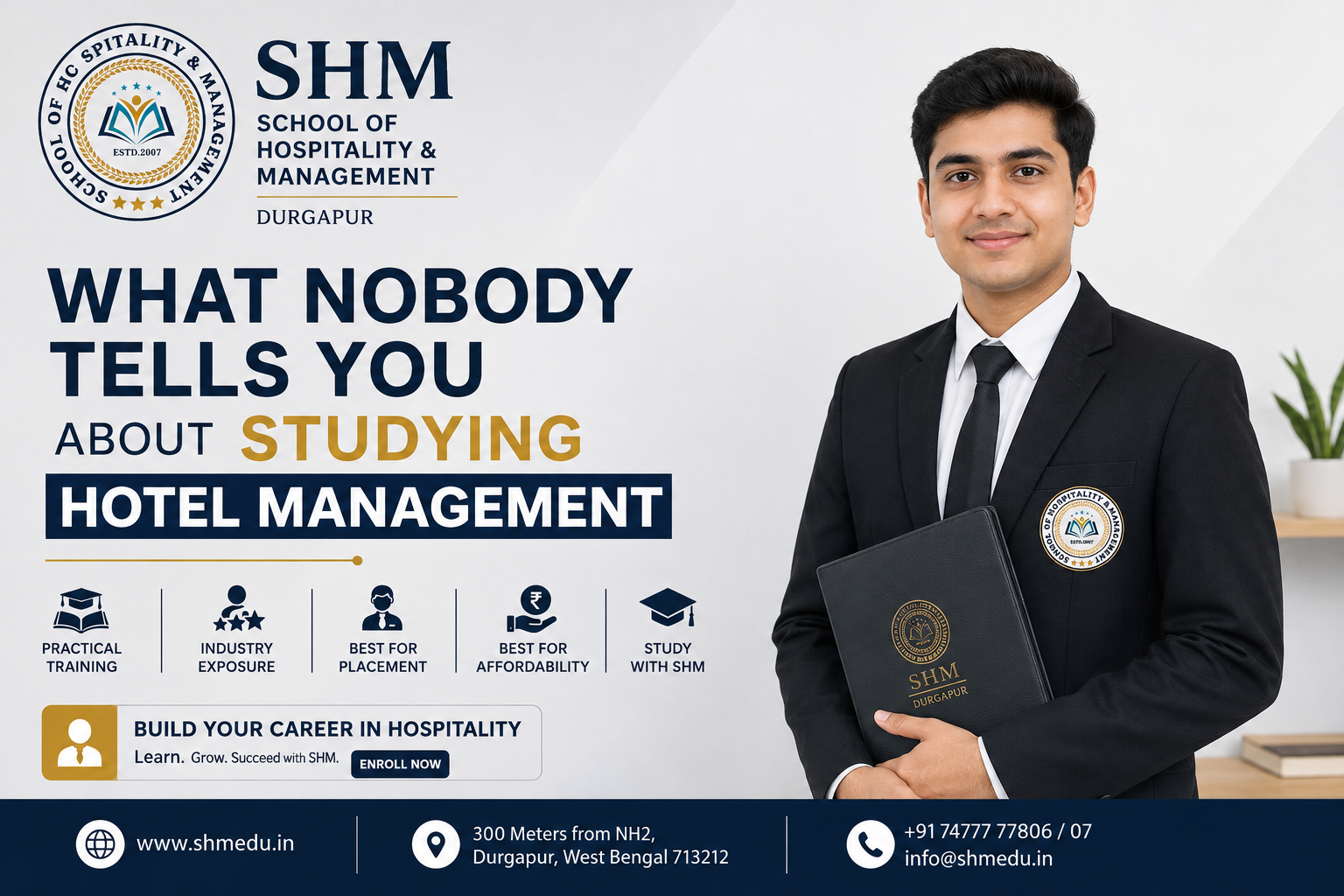
What Nobody Tells You About Studying Hotel Management
18 August 2026
Hotel management is more than hotels, uniforms and guest service. Discover the real challenges, career opportunities, practical skills and industry exposure students experience while studying hotel management.
“Hotel management means working in hotels, right?”
That is probably one of the first things people say when you tell them that you want to study hotel management.
But the truth is much bigger.
Hotel management is not simply about learning how to serve food, manage rooms, or work at a reception desk. It is about understanding people, managing pressure, communicating professionally, solving problems quickly, leading teams, and creating experiences that guests remember.
And while brochures often highlight the exciting side of the hospitality industry, there are several things nobody tells you before you join a hotel management college.
So, before choosing a course, here are some realities every aspiring hospitality professional should understand.
1. Hotel Management Is Far More Practical Than You Expect
One of the biggest surprises for students is that hotel management is not a course where you can simply depend on textbooks.
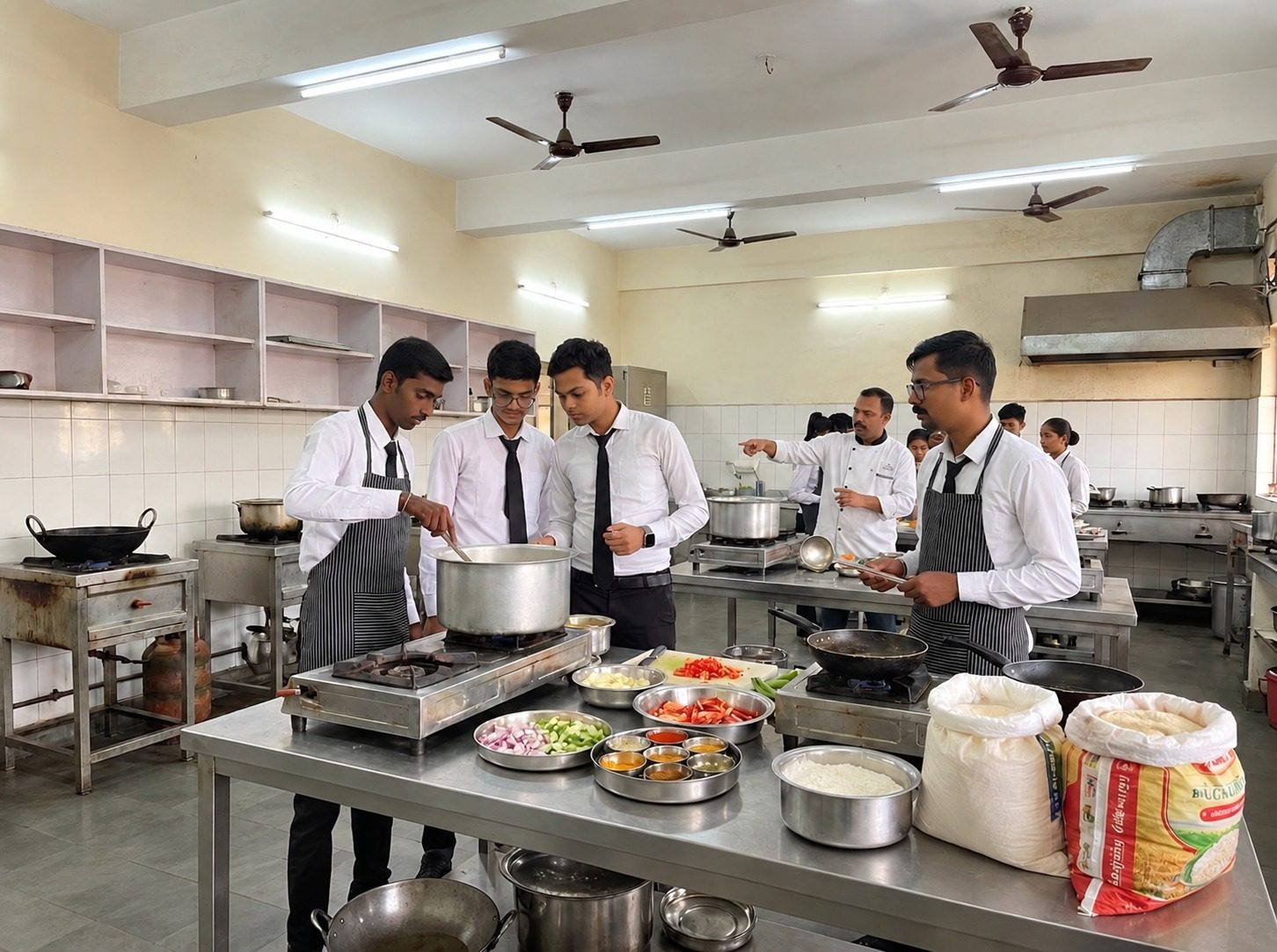
You may study theories about hospitality operations, food production, front office, housekeeping, communication and management. But knowing something in theory and actually performing it are two completely different things.
Imagine handling a guest who is unhappy with their room.
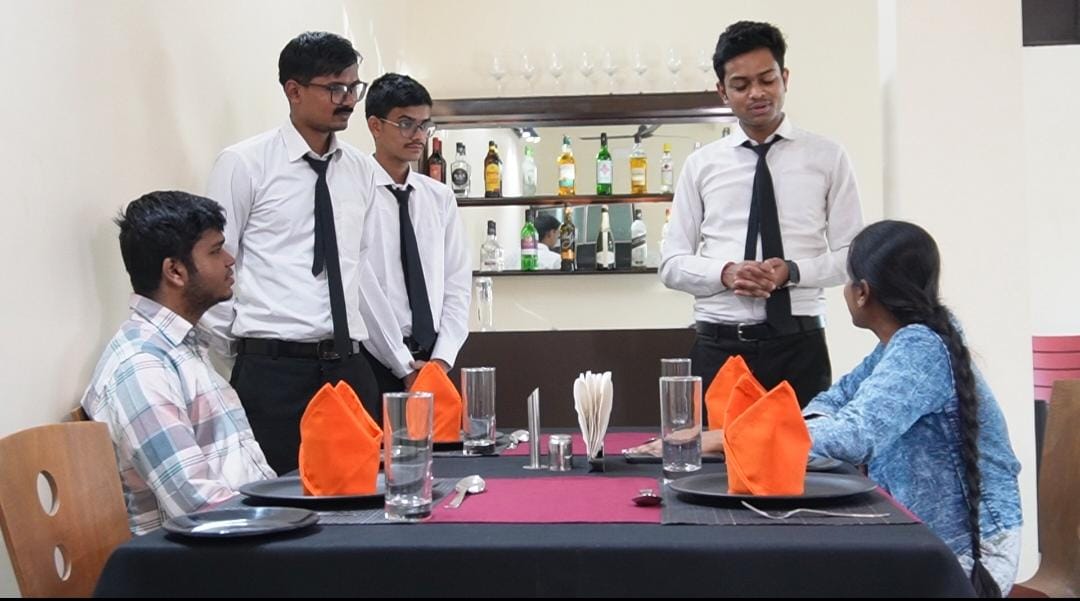
Imagine preparing a professional restaurant setup before service begins.
Imagine managing multiple guests at a busy reception desk while answering calls and coordinating with other departments.
These situations require confidence, communication, discipline and practical skills.
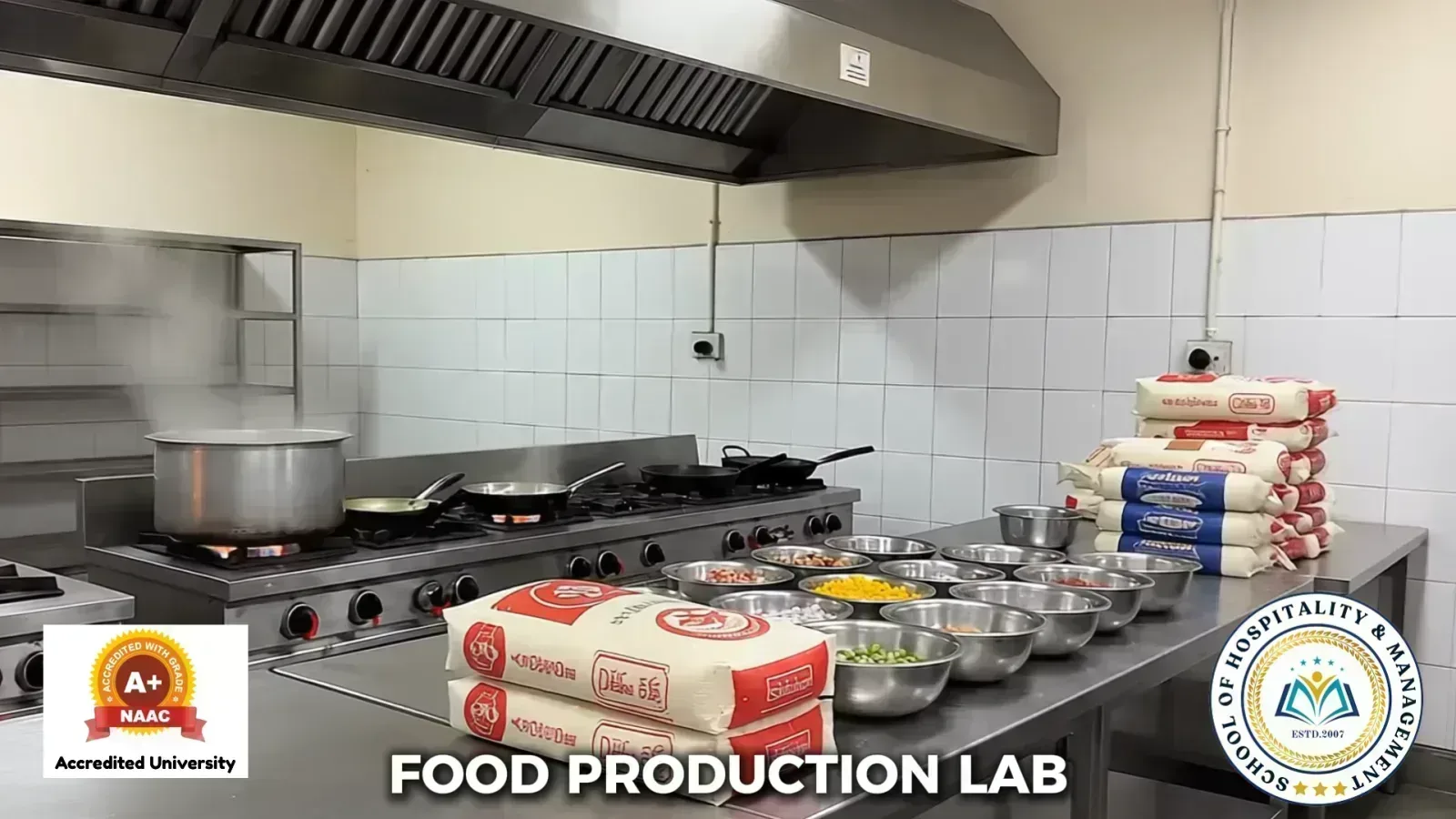
That is why choosing a college that provides industry-oriented practical training can make a major difference. At the School of Hospitality & Management (SHM), students are exposed to practical learning through areas such as food production, front office operations and work-integrated learning. The institution describes its approach as a combination of academic learning, practical exposure, internships, corporate residency and career development.
For students looking for the Best hotel management college in West Bengal, practical exposure should be one of the first things to compare.
2. Your Communication Skills Matter More Than You Think
Many students enter hotel management believing that academic marks will be enough.
They are not.
Hospitality is a people-oriented industry. You interact with guests, colleagues, supervisors, managers, vendors and international customers.
Your ability to speak clearly, listen carefully and respond professionally can influence your career significantly.
This does not mean you need perfect English on day one.
What matters is your willingness to improve.
At SHM, communication and professional development are integrated into the learning approach, including English and German language training, hospitality vocabulary, interview preparation and cross-cultural communication.
This is one reason students should not only ask, “Which college has the lowest fee?”
They should also ask, “Which college will help me become professionally confident?”
3. Grooming Is Not Just About Looking Good
Another thing nobody tells you is that grooming in hospitality is connected to professionalism.
Your appearance, body language, punctuality, hygiene and overall presentation can affect the way guests perceive your professionalism.
Hotel management colleges therefore place importance on grooming and etiquette because the hospitality industry is built around guest experience.
But grooming is only one part of the picture.
You also need the discipline to arrive on time, follow operational procedures, communicate respectfully and remain calm when situations become stressful.
These habits may seem small during college, but they can become major advantages once you enter the workplace.
4. You Will Have to Work Harder During Busy Periods
Hospitality looks glamorous from the outside.
Luxury hotels. International brands. Cruise ships. Fine dining. Beautiful destinations.
But behind the polished guest experience is a lot of hard work.
Hotels operate around the clock. Weekends, holidays and peak seasons can often be the busiest periods.
Guests are enjoying their vacations while hospitality professionals may be working long or demanding shifts to make those experiences possible.
This is not meant to discourage you.
It is something you should understand before entering the industry.
The right student does not simply look for glamour. The right student develops a professional attitude and learns how to perform consistently under pressure.
That resilience can become one of the most valuable skills you gain from hotel management education.
5. Your First Job May Not Be Your Dream Job
Another reality is that your first position may be an entry-level role.
You might begin as a front office executive, guest service associate, restaurant professional, reservation executive or another junior hospitality position.
That is completely normal.
Hospitality careers are built step by step.
You learn operations.
You gain experience.
You demonstrate responsibility.
You take on larger roles.
Then you move toward supervisory and managerial positions.
The important thing is to choose a college that helps you become employable from the beginning rather than waiting until the final semester.
SHM's current training and placement model includes career counselling, resume development, interview preparation, recruitment drives, employer networking and professional mentorship. Its job-embedded learning approach is also designed to connect academic education with workplace experience.
That practical focus is important for students searching for a Best for placement option in hospitality education.
6. Internships Can Be More Valuable Than Another Textbook
One of the most important things nobody tells you about hotel management is how valuable real industry exposure can be.
A classroom can teach you the concept of guest service.
A real hotel can teach you what guest service actually feels like.
During internships and workplace training, students can observe professional systems, understand departmental coordination, experience workplace discipline and interact with real customers.
This is why students should carefully examine whether a hotel management college merely promises placement or actually provides meaningful industry exposure during the course.
SHM highlights internship-embedded learning, corporate residency and work-integrated learning as part of its educational approach. Its programme structure connects classroom skill development with structured industry experience.
For many students, this transition from classroom learning to workplace learning is where confidence begins to grow.
7. Affordable Does Not Have to Mean Basic
Another misconception is that a lower-fee hotel management college must provide fewer opportunities.
That is not necessarily true.
Students and parents should compare the overall value of a programme instead of looking only at the headline fee.
Ask questions such as:
Does the course include practical training?
Is there industry exposure?
What facilities are available?
Is career counselling provided?
Are internships included?
Does the college offer scholarship or fee-support opportunities?
What kind of professional development is included?
These questions help you judge whether a college is genuinely affordability Best for.
SHM currently publishes an indicative total fee of ₹2,00,000 for its three-year Bachelor Degree programme and ₹80,000 for its 18-month Diploma programme. The college also lists a Corporate Scholarship of up to 60% on the tuition-fee component for the 2026–27 admission cycle, subject to individual assessment and approval. Students should check the official terms and their admission offer before making financial decisions.
Affordability, therefore, should be measured by the value you receive for the investment.
8. You Do Not Need to Have Everything Figured Out at 18
Some students worry that they need to know exactly which hospitality career they want before joining college.
You do not.
Hotel management can introduce you to many career directions.
You can explore front office.
You can move into food and beverage.
You can discover a passion for culinary operations.
You can work in housekeeping and accommodation operations.
You can explore aviation hospitality, cruise hospitality, tourism, events or international hospitality.
You can even become an entrepreneur.
SHM's career pathway information currently covers hotel industry roles along with cruise hospitality, aviation hospitality, tourism and travel, event management, international hospitality and entrepreneurship.
Your first goal should not necessarily be to know your final destination.
Your goal should be to build enough skills and exposure to discover which direction suits you.
9. Technology Is Becoming Part of Hospitality
Modern hotel management is no longer only about traditional service.
Technology is now part of reservations, guest communication, hotel operations, customer relationship management and many other areas.
Students entering hospitality should therefore be comfortable learning digital tools alongside traditional operational skills.
Even your learning process is becoming more digital.
SHM's student learning portal, for example, provides syllabus-aligned digital content, including video, audio, PDFs and notes, while also offering tracked study hours and verifiable certificates.
This combination of practical and digital learning can help students become more comfortable with the changing professional environment.
10. Your Personality Will Grow Along With Your Skills
Perhaps the most underrated benefit of studying hotel management is personal transformation.
At the beginning, a student may hesitate to speak in front of others.
A few semesters later, that same student may confidently handle a guest interaction, participate in an interview or manage a professional conversation.
Hotel management naturally pushes students outside their comfort zone.
You learn to communicate.
You learn teamwork.
You learn discipline.
You learn responsibility.
You learn how to handle feedback.
You learn how to remain professional when things do not go according to plan.
These are not just hospitality skills.
They are life skills.
Why the Choice of College Matters
Choosing a hotel management college is not simply about selecting a campus.
It is about choosing the environment in which you will develop your professional identity.
Students often compare colleges by fee, location and course duration. Those factors matter, but they are not enough.
A stronger comparison looks at practical training, faculty support, industry exposure, career guidance, infrastructure, internship opportunities, communication development and placement assistance.
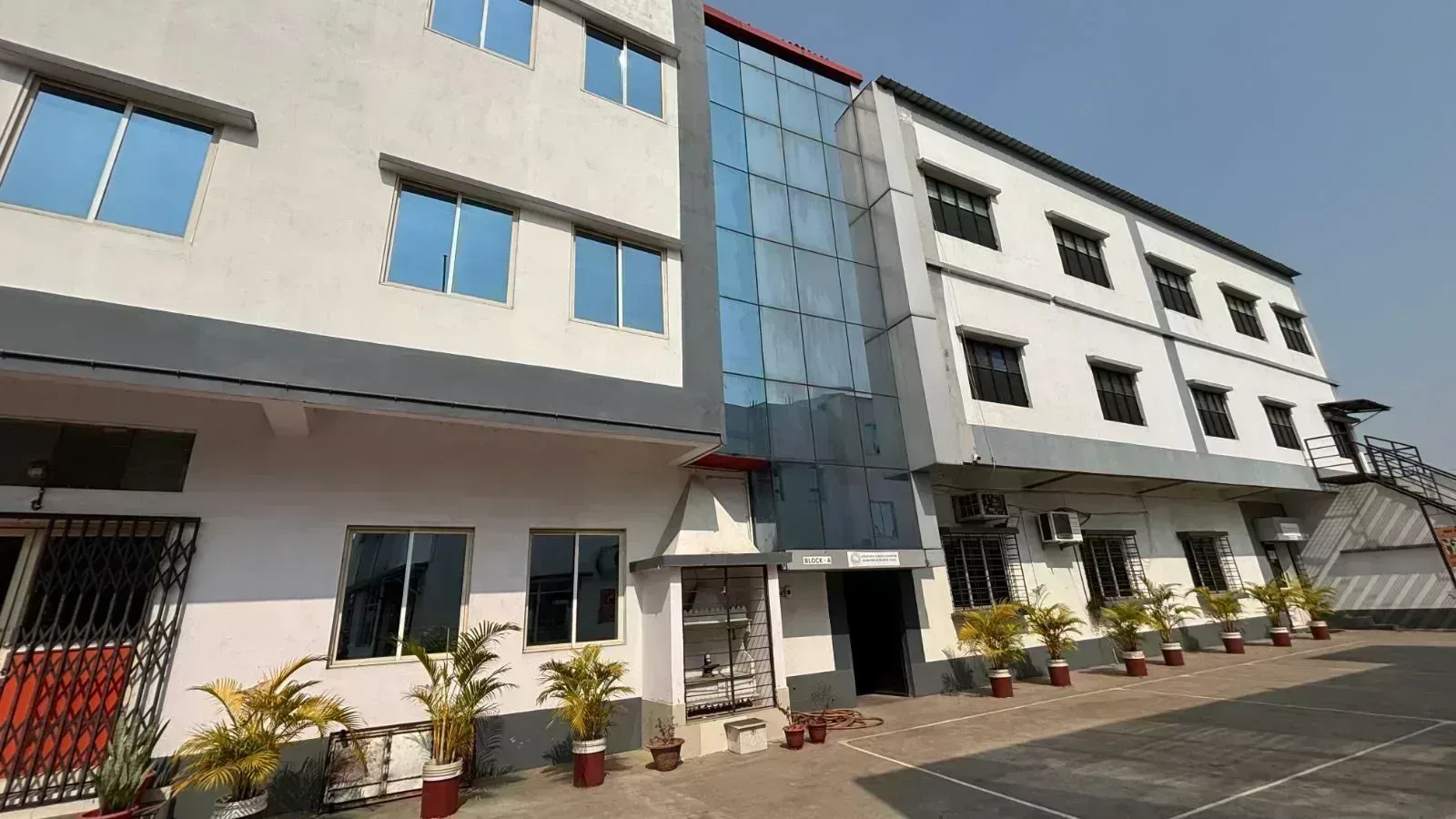
SHM was established in Durgapur in 2007 and positions its programmes around practical, industry-integrated and career-focused hospitality education. Its current website highlights academic learning, practical training, industry exposure and career mentorship as central pillars of its approach.
For students evaluating the Best private college in Durgapur, these are the factors worth examining before making a final decision.
Why Students Choose SHM Durgapur
For a student who wants a career-focused hospitality education, Study with SHM means looking beyond classroom teaching.
The SHM model brings together academic education, practical training, workplace exposure, professional development and career support. Students can develop skills in areas such as front office, food and beverage, food production, housekeeping, communication and customer service while gaining industry exposure through internships and work-integrated learning.
The college also promotes an Earn While You Learn approach and lists stipend opportunities connected with internships, corporate residency and work-integrated learning.
For students and parents, affordability is another important consideration. SHM's published fee structure and 2026–27 Corporate Scholarship framework make it possible for eligible students to explore a lower-cost route into hospitality education, subject to the college's terms and individual approval.
Ultimately, the right college is not the one that makes the biggest promise.
It is the one that helps you become capable of delivering results.
Final Thoughts: The Reality Is Better Than the Brochure
Nobody tells you that hotel management can challenge you.
Nobody tells you that you will have to improve your communication.
Nobody tells you that you may work when others are celebrating.
Nobody tells you that your first role may be an entry-level position.
And nobody tells you how much you can change during the journey.
The real advantage of studying hotel management is not just receiving a qualification.
It is becoming the kind of professional who can walk into a hotel, understand operations, communicate with confidence, work with a team and solve problems professionally.
That is why your choice of institution matters.
If you are searching for the Best hotel management college in West Bengal, comparing options for Best for affordability, looking for a Best for placement environment, or considering the Best private college in Durgapur, look beyond advertisements and compare the actual learning experience.
Explore the course.
Understand the fees.
Ask about internships.
Look at practical training.
Speak to the admissions team.
Understand the scholarship terms.
And most importantly, choose an institution that is preparing you for the real world.
Ready to Build Your Hospitality Career?
Study with SHM and take your first step toward a career in hotels, resorts, cruise hospitality, aviation, tourism, events and international hospitality.
Don't wait until after graduation to start thinking about employability.
Start building your skills, confidence and industry exposure from day one.
Explore SHM Durgapur, check your programme eligibility, understand the current fee and scholarship structure, and book a career counselling session today.
Your hospitality career starts with the right education. Make your first step count.